 St. Petersburg Roofing
 Why Siding Fails Faster in Pinellas Park
Pinellas Park sits in the middle of one of the toughest climates in the country for exterior building materials. Homes here deal with intense, near-constant UV exposure, wind-driven rain that comes in sideways during summer storms, hurricane-force wind events that stress every seam and fastener, and a steady dose of salt-laden air moving inland from Tampa Bay and the Gulf. None of these factors are occasional — they're the daily operating environment for every wall in the neighborhood.
That combination matters because most siding damage in this area isn't caused by one dramatic event. It's cumulative. UV breaks down caulk and paint film years before a homeowner notices. Wind-driven rain finds its way behind loose panels or open seams and sits against sheathing. Salt air accelerates corrosion on fasteners and trim. By the time a homeowner sees a visible problem — a warped panel, a soft spot, peeling paint — the underlying damage is often further along than it looks from the ground.
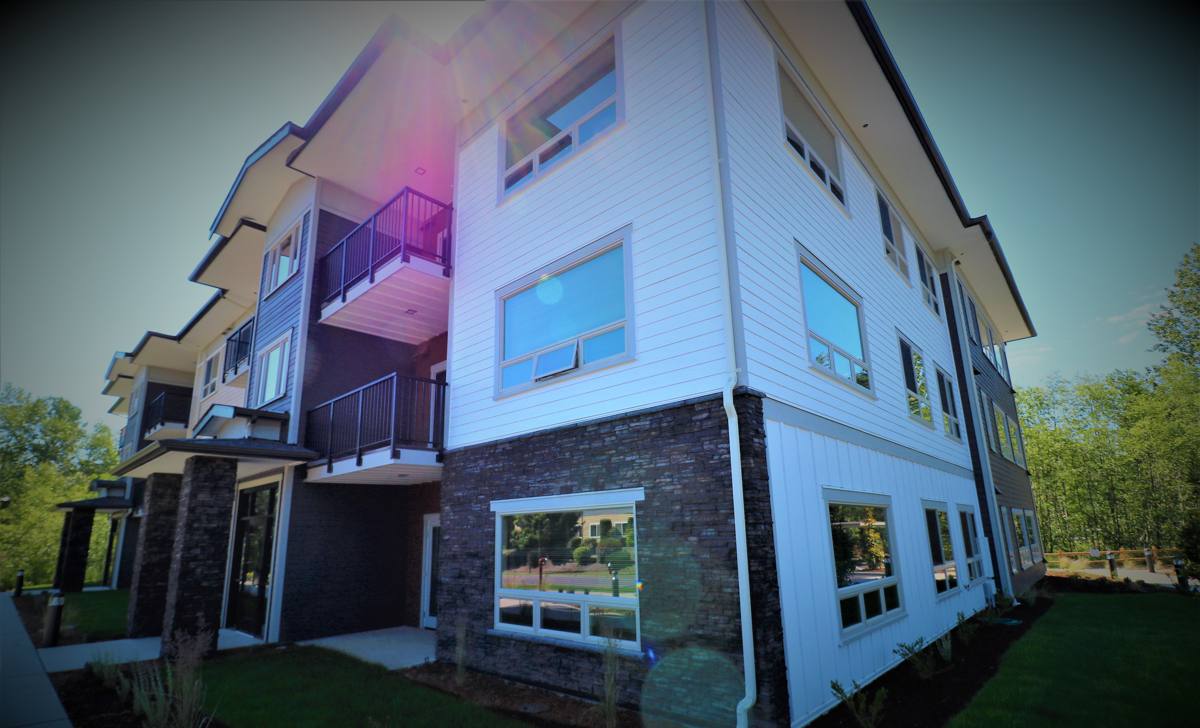
Common Siding Problems We See on Pinellas Park Homes
Every climate produces its own failure patterns, and Pinellas Park's are fairly consistent from house to house. Knowing what to look for helps homeowners catch problems while they're still a repair, not a full re-side.
Moisture and Storm Damage
Wind-driven rain during Florida's summer storm season is one of the most common causes of hidden siding damage in this area. Water pushed horizontally by wind can work behind panels that have even slightly compromised caulking or fastening, especially around windows, corners, and utility penetrations. Once moisture gets behind siding, it can sit against the wall assembly for weeks between drying opportunities in Florida's humidity.
Sun and Heat Damage
Year-round UV exposure is harder on exterior finishes here than in most of the country. Paint film chalks and fades faster, caulk joints dry out and crack, and some siding materials expand and contract enough through daily heat cycles to loosen fasteners over time. This shows up as fading, hairline cracking, or panels that no longer sit flush.
Wind and Impact Damage
Even storms that don't reach hurricane strength can generate gusts strong enough to lift loose panels, drive debris into siding, or stress fastening patterns that were installed to a lower wind standard. After any significant wind event, it's worth a visual check for panels that have shifted, popped fasteners, or new gaps at seams.
Salt Air Corrosion
Pinellas Park isn't oceanfront, but it's close enough to Tampa Bay and the Gulf that airborne salt reaches homes here regularly, especially with onshore winds. Salt exposure accelerates corrosion on exposed fasteners, flashing, and metal trim, which can loosen siding attachment points well before the siding material itself shows visible wear.
Signs Your Home Needs Siding Repair, Not Just a Repaint
A fresh coat of paint can hide a problem temporarily, but it won't fix what's happening underneath. These are the signs that point to an actual repair need:
- Panels that are warped, bowed, or no longer lying flat against the wall
- Soft or spongy spots when pressed, which usually indicates trapped moisture
- Visible gaps, cracks, or separation at seams and corners
- Paint that's peeling or bubbling in a localized area rather than uniformly across the wall
- Discoloration or staining that keeps returning after cleaning
- Fasteners that are visibly rusted, backing out, or missing
- A musty smell or visible mold near interior walls that back up to exterior siding
- Higher energy bills without another clear explanation, which can point to compromised insulation behind damaged siding
Any one of these on its own might be minor. Several together, especially after a storm season, usually mean it's time for a proper inspection rather than a wait-and-see approach.
What a Correct Siding Repair Actually Involves
A repair that only addresses what's visible from the ground is a repair that will likely need to be redone. Doing it correctly means treating the damaged area as a diagnostic opportunity, not just a cosmetic fix.
1. Diagnose Before Removing Anything
Before pulling a single panel, a correct repair starts with figuring out why the damage happened. Was it a caulking failure, a fastening issue, wind uplift, or trapped moisture from a flashing problem elsewhere? Replacing a panel without addressing the cause just resets the clock on the same failure.
2. Inspect What's Behind the Siding
Once panels are removed, the house wrap, sheathing, and framing underneath need a real look. In Florida's humidity, moisture that's been sitting behind siding for any length of time can lead to soft sheathing or early-stage rot that isn't visible until the siding comes off. Repairing over compromised sheathing is one of the most common shortcuts that leads to repeat problems.
3. Match Material and Method
New siding should match the existing panels in profile, exposure, and finish as closely as possible — mismatched repairs are one of the most common cosmetic complaints homeowners have after a repair job. Fastening patterns, flashing details, and caulking need to follow manufacturer specifications, not just "close enough."
4. Re-seal and Re-flash Correctly
Every penetration, seam, and transition point needs proper flashing and sealant rated for exterior use in this climate. This is the detail work that determines whether a repair holds up through the next storm season or fails again within a year or two.
Repair or Replace? Factors That Actually Matter
Not every siding problem calls for a full re-side, but not every problem should be patched either. These are the factors that should drive that decision:
| Factor | Leans Toward Repair | Leans Toward Replacement |
|---|---|---|
| Extent of damage | Isolated to one or two areas | Spread across multiple walls or elevations |
| Underlying sheathing condition | Solid, dry, no rot found | Soft, water-stained, or showing rot |
| Age of existing siding | Well within expected service life | Near or past typical lifespan for the material |
| Original material | Fiber cement in otherwise good condition | Vinyl, wood, or lower-grade material showing widespread wear |
| Storm history | Single isolated event | Repeated storm damage over several seasons |
| Energy performance | No noticeable change | Rising bills tied to compromised wall assembly |
An honest contractor will tell you when a repair makes more sense than a sales pitch for full replacement — and just as importantly, will tell you when patching a widespread problem is a short-term fix that will cost more in the long run.
Why We Repair With James Hardie Fiber Cement
When a repair calls for replacing damaged sections, or when repeated repairs point to a bigger material problem, we use James Hardie fiber cement siding — it's the only siding product we install, and that's a deliberate standard, not a default.
Fiber cement doesn't absorb water the way wood-based products can, doesn't warp or expand the way vinyl does under Florida's heat cycles, and is non-combustible, which matters in a state where wildfire risk and code requirements are both real considerations. James Hardie's HZ5 product line is engineered specifically for high-humidity, storm-exposed climates like Florida's Gulf Coast, and the factory-applied ColorPlus finish holds color and resists the fading that UV exposure causes in field-applied paint. That matters directly for repair work, because a patched section painted on-site will visibly age differently than factory-finished panels around it.
We won't repair storm damage with vinyl panels, LP SmartSide, primed wood, or other engineered wood products, even when it would be a faster or cheaper patch. Those materials each have real trade-offs in this climate — moisture sensitivity, expansion and contraction, maintenance burden — that make them a poor match for repeat exposure to Pinellas County's storm and humidity cycles. A repair that goes back on with a mismatched, less durable material is a repair that's more likely to fail again.
Our Siding Repair Process
Repair jobs run smoother and hold up longer when there's a consistent process behind them. Here's how ours works:
- Inspection and diagnosis — We assess the visible damage and identify the likely cause, not just the symptom.
- Removal and underlying assessment — Affected panels come off so we can check house wrap, sheathing, and framing condition before anything goes back on.
- Honest scope discussion — We tell you what we found, what it will take to fix it correctly, and what your realistic options are — including when a repair is genuinely sufficient.
- Repair or replacement — Using matched James Hardie fiber cement, installed to manufacturer fastening and clearance specifications.
- Sealing and flashing — Every seam, penetration, and transition is re-sealed and flashed to current exterior standards.
- Final walkthrough — We review the completed work with you before calling the job done.
Why Local Experience in Pinellas Park Matters
A siding repair crew that regularly works in Pinellas Park and the surrounding St. Petersburg and Pinellas County area already understands the failure patterns specific to this climate — where wind-driven rain tends to find weak points, how salt air affects fastener choice, and what storm-related damage typically looks like versus long-term UV wear. That familiarity shortens the diagnosis step and reduces the chance of a repair that misses the actual cause.
It also means faster response after storm events, when demand for repair work spikes across the whole region and homeowners who wait risk further moisture intrusion. A crew with local standing has a reputation to protect in the community it works in — that's a real accountability factor when you're deciding who gets access to your home's exterior.
What Repair Work Typically Involves, Cost-Wise
Every repair is different, but these are the factors that actually drive the scope and cost of a siding repair project:
| Cost Factor | Why It Matters |
|---|---|
| Size of the damaged area | A single panel repair costs far less than damage spread across an elevation |
| Sheathing condition | Rotted or water-damaged sheathing adds structural repair before new siding goes on |
| Accessibility | Second-story or hard-to-reach areas require more labor and equipment |
| Material match | Matching existing profile and color adds care but avoids a visibly patched look |
| Trim and flashing work | Corners, window trim, and penetrations often need attention alongside field panels |
We give straightforward, honest estimates based on what we actually find during inspection — not a generic per-square-foot number that ignores the condition underneath.
If your Pinellas Park home has siding damage from a recent storm, ongoing sun and moisture wear, or areas that just don't look right anymore, we're happy to take a look. We offer free, no-pressure estimates and will tell you honestly whether you're looking at a repair or something bigger — just use the form below to get started.