 St. Petersburg Roofing
 Siding Repair for Shore Acres Homes
Shore Acres sits close to Tampa Bay, and that waterfront location shapes everything about how siding ages here. Homes in this part of St. Petersburg deal with a tougher combination of conditions than siding two or three miles inland: near-constant humidity, salt-laden air off the bay, intense subtropical sun, and the wind-driven rain that comes with every serious storm system moving through Pinellas County. When siding fails in Shore Acres, it's rarely one cause — it's usually years of small stresses compounding until a panel, seam, or section of trim finally gives out.
This page covers what siding repair actually involves for homes in this neighborhood: what tends to fail first, how a correct repair is done, what our process looks like on your property, and why local experience with this specific stretch of coastline matters more than it might seem.
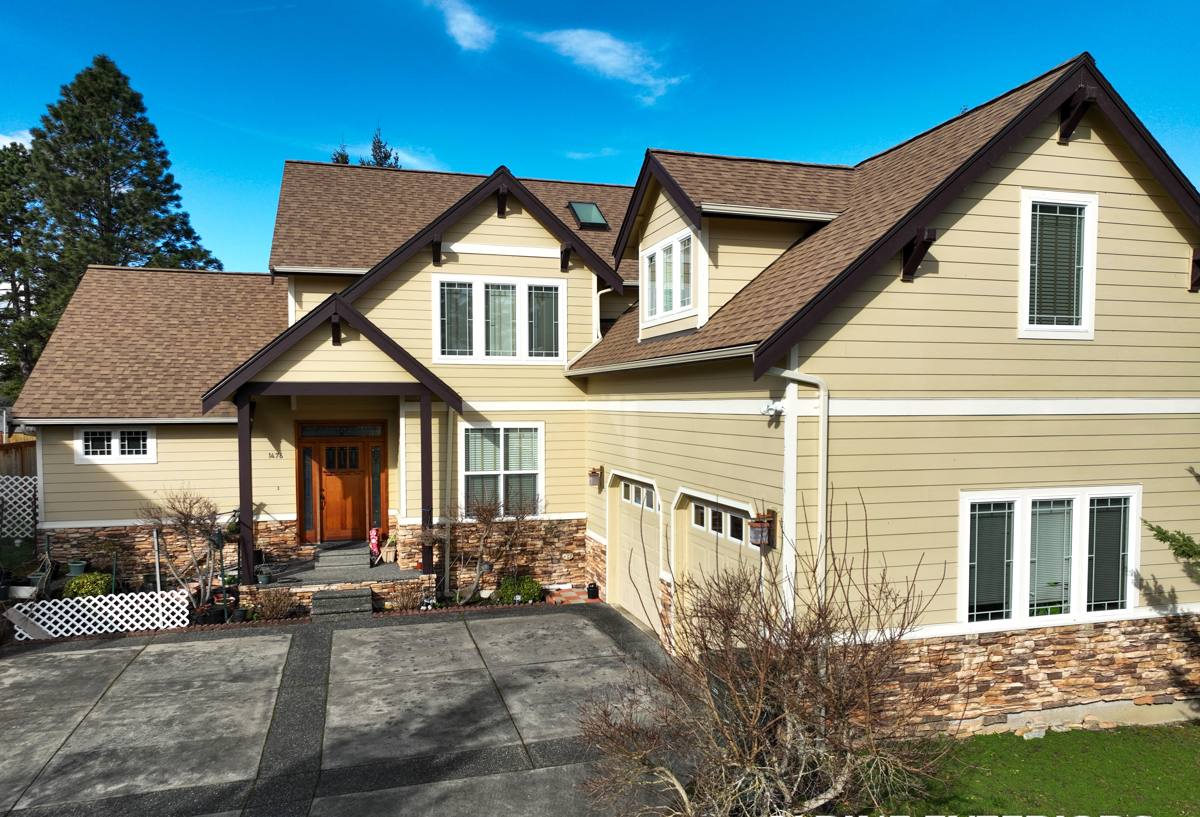
Why Shore Acres Siding Wears Differently
Proximity to the water is the defining factor. Salt air is corrosive to fasteners, trim, and any siding material that isn't engineered to resist it, and it accelerates the breakdown of caulking and sealants at joints and seams. Add in St. Petersburg's UV exposure — among the most intense in the continental U.S. for most of the year — and you get a one-two punch: salt attacks metal components and finishes while UV bakes and embrittles the siding material itself, especially at south- and west-facing exposures that catch the most sun.
Then there's water. Pinellas County's storm pattern brings wind-driven rain that doesn't just fall on siding, it gets forced sideways into laps, seams, and any gap in flashing or caulking. Over time, that moisture finds its way behind panels that were never properly sealed, or through cracks that started as minor cosmetic damage and grew because they went unaddressed through a few storm seasons.
The result is a predictable pattern of failure points specific to bayside neighborhoods like this one:
- Corroded or backed-out fasteners, especially on the sun-exposed and wind-facing sides of the house
- Cracked, brittle, or warped panels where UV exposure has been heaviest
- Failed caulking at seams, corners, and trim joints, letting moisture behind the siding
- Soft or delaminating material where water has been trapped long-term
- Faded or chalking finish that signals the surface coating has broken down
- Impact damage from storm debris, especially after named storms or strong squall lines
What a Correct Siding Repair Actually Involves
A lot of "repairs" in this trade are really just patches — caulk over a crack, a quick panel swap without checking what's underneath. That approach might hold for a season, but on a Shore Acres property it tends to fail again quickly because it doesn't address the moisture or fastening problem that caused the damage in the first place.
Assessment Before Any Work Starts
A proper repair starts with figuring out why the siding failed, not just what's visibly wrong. That means checking the condition of the water-resistive barrier and flashing behind the damaged section, looking at whether fasteners are corroded or simply working loose, and checking neighboring panels for the same early warning signs — because if one section failed from sun and salt exposure, the panels next to it are usually not far behind.
Matching Material and Reading the Exposure
Repairs need to account for exposure direction. A section on the west or south side of a Shore Acres home has taken far more UV and wind-driven rain than the same style of panel on the north side, and a repair plan should reflect that — sometimes that means recommending a broader replacement on the worst-exposed elevation even if the damage is currently limited to one or two panels.
Fastening and Sealing Correctly
Corrosion-resistant fasteners, correct nailing patterns, and proper sealant at every seam and penetration are non-negotiable this close to the bay. A repair that reuses compromised fasteners or skips re-sealing exposed seams is a repair that will need to be redone within a couple of years.
Repair vs. Replace: How We Decide
| Situation | Typical Approach |
|---|---|
| Isolated impact damage, structure and barrier intact | Panel-level repair |
| Failed caulking/seams with no material damage | Re-seal and inspect fasteners |
| Widespread cracking on one sun-exposed elevation | Elevation-level replacement |
| Moisture found behind siding, soft sheathing | Open up, dry out, replace barrier and siding |
| Aging original siding with recurring failures | Full re-side recommended |
How We Approach a Repair Visit
Every siding repair we do in Shore Acres follows the same general process, because skipping steps is exactly how a "repair" turns into a callback six months later.
- Full exterior walkthrough: We don't just look at the damage you called about — we check all elevations, since bayside homes often have early-stage damage in more than one spot.
- Identify the root cause: Fastener failure, sealant breakdown, UV degradation, storm impact, or trapped moisture — each requires a different fix.
- Check what's behind the siding: Where damage suggests possible moisture intrusion, we look at the water-resistive barrier and sheathing before closing anything back up.
- Repair or replace the affected section: Using materials and fastening appropriate for a salt-air, high-UV environment.
- Re-seal and re-inspect: Every seam and penetration touched during the repair gets properly sealed, not just the section that was visibly damaged.
- Walk the results with you: So you know exactly what was found, what was fixed, and what to keep an eye on going forward.
Why We Only Install James Hardie Fiber Cement
When a repair reveals that a section — or a whole elevation — needs more than a patch, the material choice matters as much as the workmanship. We install James Hardie fiber cement siding exclusively, and in a neighborhood like Shore Acres, that decision is driven directly by the climate we just described.
Fiber cement is non-combustible and dimensionally stable, which means it doesn't expand, contract, warp, or crack the way some other siding materials do under Florida's heat-cool cycles and humidity swings. James Hardie's HZ5 product line is specifically engineered for high-humidity, storm-prone climates like ours, and the ColorPlus factory finish is baked on and warrantied to resist the fading and chalking that UV exposure causes over time — a real issue for any siding on a west- or south-facing wall in St. Petersburg.
We're honest about the trade-offs of other products, including the ones we don't install. Vinyl siding can soften, warp, or crack under sustained heat and doesn't hold up well to wind-driven debris. Engineered wood products like LP SmartSide can perform well in drier climates but are more sensitive to sustained moisture exposure than fiber cement — a real concern this close to the bay. Products like Cemplank or Allura are also fiber cement but don't carry the same finish warranty or documented track record we've standardized around. None of these are "bad" products across the board — they're just not what we've found holds up best, repair after repair, on Pinellas County's coastline. Hardie's combination of moisture resistance, finish durability, and a strong transferable warranty is why it's the only material we put on homes here.
Signs a Shore Acres Homeowner Shouldn't Ignore
Because of how quickly small issues compound in this environment, catching problems early saves real money. Watch for:
- Visible cracking or splitting, even if it looks minor
- Panels that feel soft, spongy, or that flex when pressed
- Streaking or discoloration below seams, which often points to water tracking behind the siding
- Rust stains near fasteners or trim
- Gaps opening up at corners, window trim, or panel seams
- A noticeable increase in indoor humidity or musty odor near an exterior wall
Any one of these is worth a look. Several at once, especially after a storm season, usually means it's time for a full inspection rather than a spot repair.
Why Local, Hands-On Experience Matters Here
Shore Acres isn't a generic Florida suburb from a siding contractor's perspective — its exposure to the bay, the density of mature trees that shed debris in storms, and the age mix of homes in the area all shape what tends to fail and when. A crew that regularly works this specific part of St. Petersburg knows which elevations to check first, recognizes early-stage salt and UV damage before it becomes structural, and understands how local wind patterns during storm events tend to drive rain into siding seams. That kind of pattern recognition, built from repeated work in the same few square miles, is what separates a repair that lasts from one that's back on the schedule next hurricane season.
Get a Straight Answer on Your Siding
If you're seeing cracking, soft spots, gaps at the seams, or storm damage on your Shore Acres home, it's worth having it looked at before the next round of wind-driven rain finds its way behind the siding. We'll give you a clear, honest read on whether it's a targeted repair or something that calls for broader replacement — no pressure either way. Reach out for a free estimate using the form below.