 St. Petersburg Roofing
 Siding Replacement for Bartlett Park Homes
Bartlett Park is one of St. Petersburg's older established neighborhoods, which means a lot of its housing stock is carrying siding that's well past the point of doing its job. Whether your home has original wood siding, aging vinyl, or a previous fiber cement job that wasn't installed to spec, the siding on a house in this part of Pinellas County has to survive a demanding climate — and when it starts failing, it fails at the worst possible time: right before or during storm season.
This page covers what siding replacement actually involves for a Bartlett Park home specifically — not a generic national overview, but what matters for houses sitting a short drive from Tampa Bay, exposed to Gulf humidity, salt-laden air, and the wind loads that come with Florida's hurricane season.
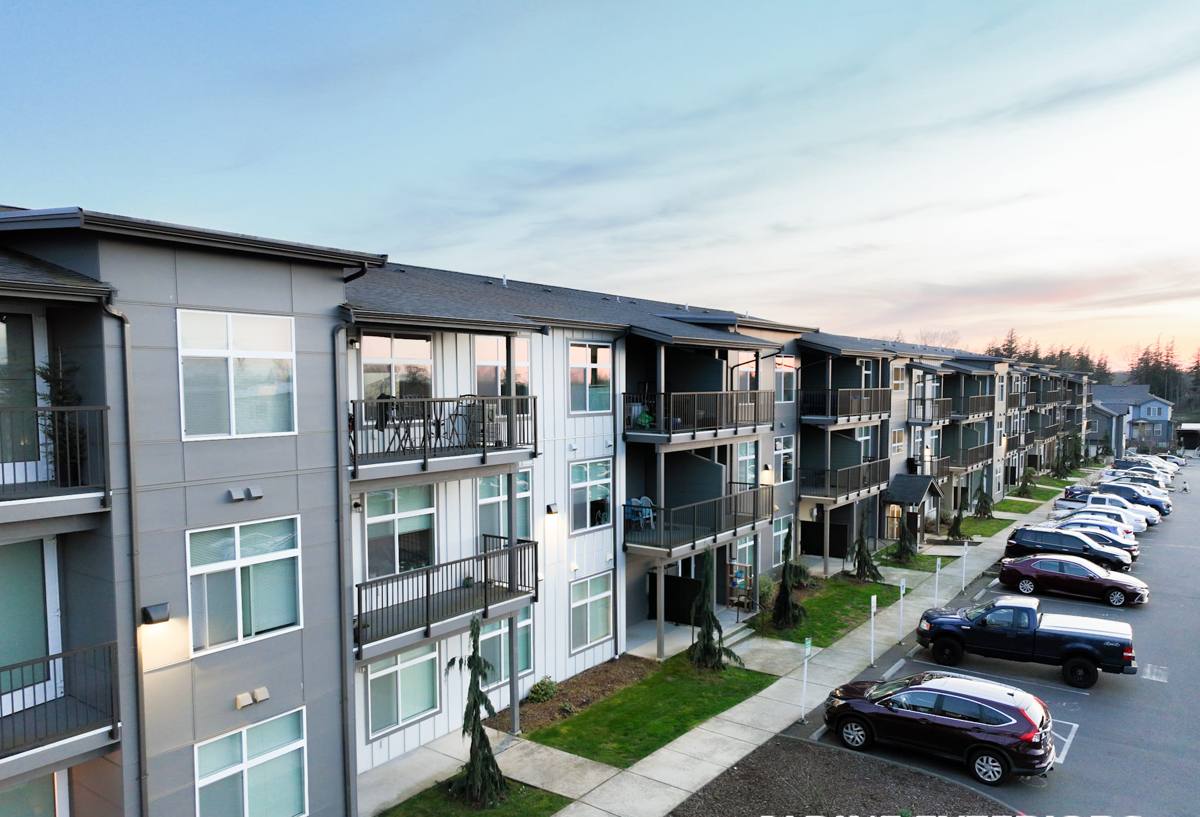
Why Siding Fails Faster Here Than in Most of the Country
St. Petersburg's climate is hard on exterior building materials in ways that don't show up on a spec sheet. A few factors compound on each other:
- Year-round UV exposure. Florida sun degrades paint finishes, caulk, and some siding substrates faster than almost anywhere else in the continental U.S. Chalking, fading, and brittle caulk joints show up years ahead of schedule.
- Wind-driven rain. It's not just how much it rains — it's the angle. Tropical storms and squall lines push rain sideways into lap joints, trim seams, and fastener penetrations that were never designed to handle water moving horizontally.
- Salt air. Being close to Tampa Bay and the Gulf means airborne salt accelerates corrosion on fasteners, trim flashing, and any exposed metal components in a siding assembly.
- Humidity and moisture cycling. Florida's swings between saturated air and intense heat put constant expansion-and-contraction stress on siding materials, especially wood-based products, and create ideal conditions for moisture to get trapped behind panels that don't drain properly.
None of this is unique to Bartlett Park, but it's the reality for every home in this part of St. Petersburg, and it should shape what material goes back on the wall — not just what's cheapest or fastest to install.
Signs a Bartlett Park Home Needs Siding Replacement, Not Another Repair
Homeowners often ask whether a patch job or a repaint can buy more time. Sometimes it can. Other times, patching just delays a bigger problem. Signs that point toward full replacement rather than spot repair include:
- Soft, spongy, or crumbling sections when pressed — usually a sign moisture has gotten behind the siding and started rotting the substrate
- Persistent paint failure (peeling, bubbling, or flaking) that comes back within a year or two of repainting
- Visible warping, buckling, or cupping across multiple panels or boards
- Gaps at seams and corners that keep reopening no matter how often they're caulked
- Rising interior humidity, musty odors near exterior walls, or visible staining on interior drywall near the perimeter
- Siding that's simply reached the end of its practical service life — old wood lap siding, first-generation vinyl, or fiber cement that was never sealed or painted correctly at installation
If more than a few of these show up in different spots around the house, it's usually more cost-effective in the long run to replace the whole envelope rather than keep chasing individual failures.
What We Install: James Hardie Fiber Cement, and Why
We install James Hardie fiber cement siding exclusively. We don't offer vinyl, LP SmartSide, Cemplank, Allura, or primed wood siding like spruce or cedar as options — not because those products have no legitimate use anywhere, but because after years of doing exterior work in this climate, we standardized on one product system we trust to hold up here.
A few reasons that matter specifically for a coastal-adjacent, hurricane-exposed neighborhood like Bartlett Park:
- Non-combustible material. Fiber cement doesn't feed a fire the way wood-based products can, which matters for insurance considerations as much as safety.
- Engineered for humid climates. James Hardie makes region-specific HZ5 product formulations engineered for high-moisture, high-humidity zones — which is exactly what Pinellas County is.
- Factory-applied ColorPlus finish. The color and finish are baked on in a controlled factory process rather than painted on-site, which holds up better against UV fading and doesn't rely on field conditions for a good cure.
- Dimensionally stable. Fiber cement doesn't expand, contract, warp, or rot the way wood-based siding does when it cycles through Florida's humidity swings.
- Strong transferable warranty. A meaningful, manufacturer-backed warranty that can transfer to a future buyer is a real selling point if the home changes hands.
We're upfront that fiber cement costs more upfront than vinyl and requires professional installation — it's heavier, needs specific fastening patterns, and isn't a forgiving DIY material. For a home that's going to sit through another twenty or thirty years of Gulf Coast weather, we think that tradeoff is worth it. If you want the fuller comparison of why we don't install other products, that's covered on our dedicated product pages — this page is about what the right installation looks like for your home.
What a Correct Installation Actually Involves
Fiber cement siding is only as good as the installation behind it. Most siding failures we get called out to inspect aren't material failures — they're installation shortcuts that let water get where it shouldn't.
Before the first panel goes up
A correct job starts with what's underneath the siding, not the siding itself:
- Removing old siding down to the sheathing and inspecting for rot, water damage, or compromised framing
- Repairing or replacing any damaged sheathing before anything new goes on
- Installing a proper weather-resistant barrier (house wrap) with correctly lapped and taped seams
- Flashing every window, door, and penetration point so water is directed out and away from the wall assembly, not trapped behind it
During installation
James Hardie publishes specific fastening, clearance, and gapping requirements, and they exist for a reason in a climate like ours:
- Correct fastener type, spacing, and depth — over-driven or under-driven fasteners are one of the most common causes of early siding failure
- Proper clearance between the bottom of the siding and the ground, roofline, decks, and patios so water doesn't wick up into the material
- Correctly sized gaps at butt joints and trim to allow for expansion without forcing water intrusion
- Sealing and caulking only where the manufacturer specifies it — not as a substitute for proper flashing
After installation
A finished job should include a walkthrough of caulking, trim, and paint touch-up at seams, plus clear guidance on the maintenance the product does need — periodic inspection of caulk joints and repainting on a much longer cycle than wood siding requires, but not zero maintenance.
Comparing Siding Options for a St. Petersburg Home
| Factor | James Hardie Fiber Cement | Vinyl | Wood / Primed Wood |
|---|---|---|---|
| Hurricane-region wind resistance | Rated for high-wind installation when installed to spec | Can crack, warp, or blow off in high wind if not rated for the zone | Structurally sound but prone to moisture damage that weakens fasteners over time |
| UV / fade resistance | Factory ColorPlus finish resists fading | Can fade and become brittle under constant Florida sun | Paint fades and chalks faster in high-UV climates |
| Moisture / humidity performance | Engineered HZ5 formulation for humid climates | Doesn't rot, but can trap moisture behind panels if not vented properly | Highly susceptible to rot, swelling, and mold in humid conditions |
| Salt air / coastal exposure | Holds up well; fasteners and trim are the main concern | Generally tolerant, but can become brittle faster near salt air | Accelerated rot and finish failure near salt exposure |
| Fire resistance | Non-combustible | Combustible | Combustible |
| Maintenance over time | Low — periodic caulk/paint checks | Low, but limited repair options if damaged | High — regular repainting and rot inspection |
Our Process for a Bartlett Park Siding Replacement
- On-site assessment. We walk the exterior, check for rot and moisture intrusion, and identify problem areas — not just visible siding damage but flashing, trim, and sheathing condition.
- Written estimate. A clear scope of work and pricing before anything is scheduled — no surprise change orders for work that should have been identified upfront.
- Tear-off and substrate repair. Old siding comes off, sheathing gets inspected and repaired as needed, and the wall assembly gets a proper weather barrier and flashing before anything new is installed.
- James Hardie installation to manufacturer spec. Correct fastening, clearances, and sealing — the details that determine whether the siding lasts fifteen years or forty.
- Final walkthrough. We go over the finished work with you, point out anything that needs periodic attention, and make sure you know what maintenance (if any) is actually needed going forward.
Why It Matters to Hire a Crew That Already Works This Area
Siding installation standards don't change street to street, but local exposure conditions do. A crew that regularly works Pinellas County and the St. Petersburg area already understands how close proximity to Tampa Bay affects fastener corrosion, how wind-driven rain behaves against a wall during a summer squall, and what permitting and inspection expectations look like locally. That familiarity shows up in fewer callbacks and a job that's built for the conditions it will actually face, not generic best practices pulled from a manual written for a different climate.
It also means faster response if something does need attention after installation — warranty support and follow-up service from a contractor who's a short drive away, not one who did one job in the neighborhood and moved on.
Questions to Ask Before Hiring Anyone for Siding Work
- Are you licensed and insured to do exterior work in Pinellas County?
- Will you inspect and repair sheathing and the weather barrier, or just install new siding over what's there?
- What fastening and clearance specs will you follow, and are they the manufacturer's published requirements?
- Is the warranty backed by the manufacturer, the installer, or both — and does it transfer if I sell the home?
- Can you walk me through why you recommend this specific product for my house?
If your Bartlett Park home has siding that's showing its age — or you just want an honest read on whether repair or replacement makes more sense — we're glad to take a look. Fill out the form below for a free, no-pressure estimate.