 St. Petersburg Roofing
 Siding Replacement in Childs Park: What Older St. Petersburg Homes Actually Need
Childs Park is one of St. Petersburg's established neighborhoods, with a housing stock that spans decades of Florida building styles — frame homes, block homes with wood or vinyl skirting and accent siding, and additions built at different times with different materials. A lot of that siding is well past the point where a repaint or a patch job makes sense. When siding starts failing in a neighborhood like this, it's rarely one bad panel — it's the cumulative effect of years of Gulf Coast sun, humidity, and storm weather working on a material that wasn't built to take it indefinitely.
This page is specifically about siding replacement for Childs Park homes — not a general "siding 101" page. We'll cover what the local climate actually does to siding, what a correct replacement job looks like, why we install one product line and nothing else, and what to expect if you bring us in.
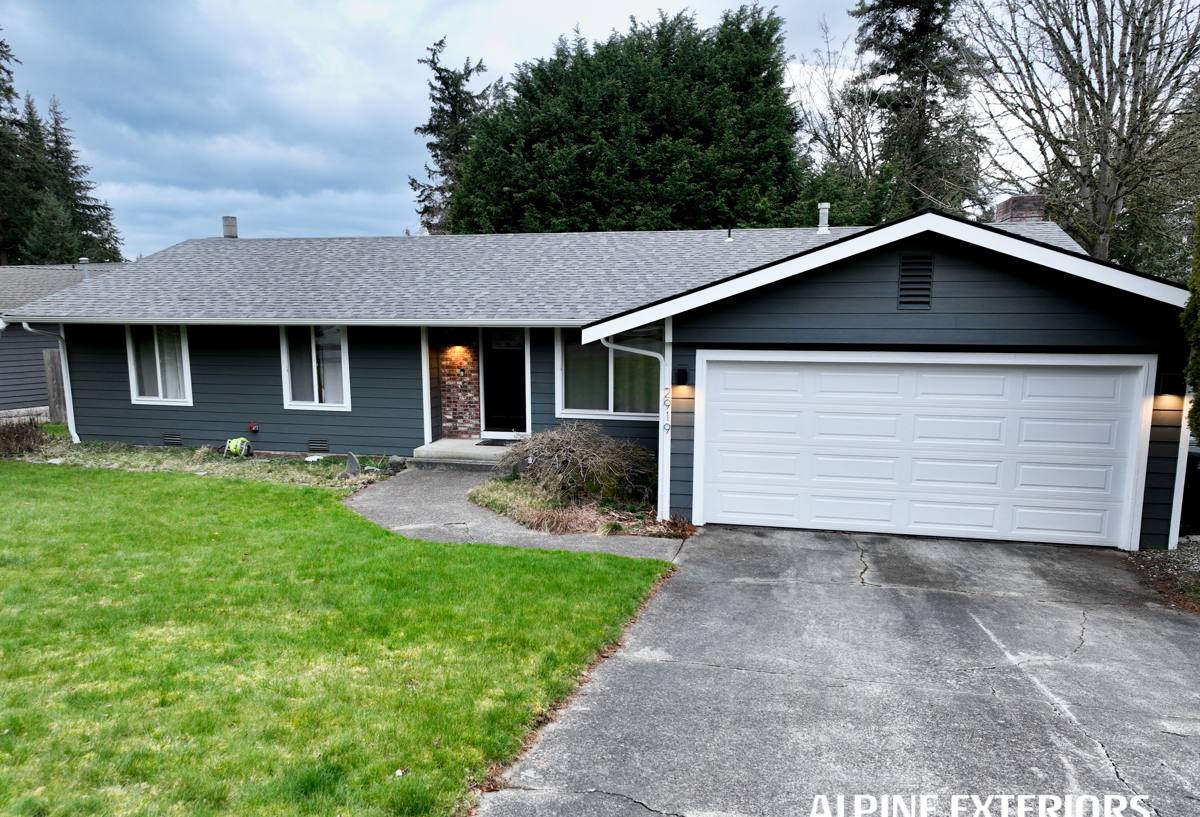
What Pinellas County Weather Does to Old Siding
St. Petersburg sits on a peninsula, which means every home in Childs Park deals with a combination of stressors that inland houses don't face nearly as hard:
Hurricane-Force Wind Events
Even homes that never take a direct hit still get hit repeatedly by tropical-storm-force gusts most seasons. Wind doesn't just rip loose siding off — it works at seams, fastener points, and corners over years, loosening panels and opening gaps that let water behind the wall before anything looks visibly wrong.
Intense, Year-Round UV
Florida sun is stronger and more constant than in most of the country. UV breaks down paint film, causes fading and chalking, and dries out wood fiber and composite products faster than manufacturers in northern climates ever design for. Siding that would last decades in a milder climate can visibly degrade here in a fraction of the time.
Wind-Driven Rain
Rain in a coastal storm doesn't fall straight down — it drives sideways into wall assemblies, testing every lap, seam, and piece of flashing on the house. A siding system that isn't installed with real attention to water management will eventually let moisture behind it, and moisture behind siding is where the expensive problems start.
Salt Air
Being close to Tampa Bay and the Gulf means airborne salt is a constant, low-grade corrosive presence. It accelerates the breakdown of fasteners, caulking, and unprotected wood, and it's part of why we pay close attention to what fastener and flashing materials go into every job, not just the siding itself.
None of these forces are unique to Childs Park — they're a St. Petersburg and Pinellas County reality. But older homes in established neighborhoods tend to be carrying 20, 30, even 40 years of exposure to all four at once, which is why we see so much end-of-life siding in this part of the city.
Signs Your Childs Park Home Needs New Siding, Not Just Repair
Homeowners often ask us to "just patch" a section, and sometimes that's the right call. Other times, patching is a short-term fix on a system that's already failed. Some signs point clearly toward full replacement:
- Soft, spongy, or crumbling spots when you press on the siding, especially near the bottom of walls or under windows
- Visible warping, buckling, or panels that have pulled away from the wall
- Paint that won't hold no matter how often you repaint, or chalky residue that rubs off on your hand
- Cracked or split panels, particularly after storm season
- Musty smell or soft drywall on interior walls that back up to exterior siding
- Visible gaps at seams, corners, or around window and door trim
- Siding that's original to a home built decades ago, even if it "looks okay" from the street
If you're seeing more than one of these, the underlying wall assembly is usually already compromised in more places than the ones you can see.
What a Correct Siding Replacement Job Actually Involves
Siding replacement done right is not just removing old panels and nailing up new ones. The parts that determine whether a job lasts 30+ years or fails in five are mostly invisible once the job is finished.
Full Tear-Off and Substrate Inspection
We remove the old siding completely rather than installing over it. That's the only way to actually see the sheathing underneath — rot, soft spots, and old water damage don't show up until the wall is opened up. Any damaged sheathing gets addressed before a single new panel goes up.
Weather-Resistive Barrier
A correctly lapped, sealed weather-resistive barrier goes behind the siding as the wall's real line of defense against wind-driven rain. Siding sheds most of the water, but the barrier behind it is what protects the structure when water inevitably gets past a seam or fastener during a storm.
Flashing at Every Penetration
Windows, doors, vents, and anywhere else something interrupts the wall plane need proper flashing detail, not just caulk. Caulk is a maintenance item that will eventually fail; flashing is a permanent water-management detail that doesn't depend on someone re-caulking every few years.
Manufacturer-Spec Fastening
Fastener type, spacing, and placement matter more in a high-wind coastal zone than almost anywhere else in the country. Under-fastened or improperly placed siding is one of the most common reasons siding fails in a storm well before it's actually worn out.
Why We Install Only James Hardie Fiber Cement Siding
We made a decision as a company to install one siding system — James Hardie fiber cement — and nothing else. Not vinyl, not LP SmartSide, not Cemplank or Allura, not primed spruce or cedar. That's not a marketing position; it's based on what actually holds up to the conditions Childs Park and the rest of St. Petersburg throw at a house year after year.
A few reasons this is where we've landed:
- Non-combustible material. Fiber cement doesn't burn, melt, or warp from heat the way vinyl and some wood-based composites can.
- ColorPlus factory finish. The color is baked on at the factory under controlled conditions, which holds up to intense Florida UV far better than field-applied paint, and it comes backed by its own finish warranty.
- Climate-engineered product lines. James Hardie makes an HZ product line specifically engineered for high-humidity, storm-prone climates like ours — it's not a one-size-fits-all product shipped the same way to Minnesota and Florida.
- Strong transferable warranty. A long, transferable warranty backed by a large, established manufacturer matters to resale value, not just to the current owner.
- Proven track record when installed correctly. This is the material we're confident standing behind for decades, not just for the first few years.
We're not going to tell you other siding materials are garbage — that's not honest and it's not our call to make about products we don't install. What we will say is that after years of doing this work on Gulf Coast homes, fiber cement installed to spec is the product we trust enough to put our name on. Vinyl can warp and fade faster in this heat and UV load. Wood-based composite and primed wood products carry real moisture and maintenance sensitivity in a humid coastal climate. Those are honest trade-offs, and they're why we standardized on one system instead of offering several.
Comparing Siding Options for a Coastal St. Petersburg Home
| Factor | Vinyl Siding | Wood-Based Composite / Primed Wood | James Hardie Fiber Cement |
|---|---|---|---|
| Heat & UV tolerance | Can warp, fade, or become brittle in intense sun | Prone to sun-driven finish breakdown over time | ColorPlus finish engineered to resist UV fading |
| Moisture / humidity behavior | Doesn't absorb water but seams can trap it | More sensitive to swelling, rot if moisture gets in | Fiber cement doesn't swell, rot, or feed pests |
| Wind performance | Lighter panels, more vulnerable in high gusts | Varies by product and installation | Heavier, rated for high-wind coastal installation |
| Fire resistance | Can melt or ignite under heat exposure | Combustible | Non-combustible material |
| Maintenance over time | Low, but appearance degrades with age | Higher — repainting, sealing, moisture checks | Low — factory finish holds color for years |
| Warranty structure | Varies widely by brand | Varies, often shorter on finish | Long, transferable manufacturer warranty |
This table isn't meant to declare every other product unusable — plenty of homes around the country do fine with alternatives. It's meant to explain, honestly, why a coastal Pinellas County climate is exactly the environment where those trade-offs show up fastest, and why we settled on fiber cement as our standard.
Our Siding Replacement Process for Childs Park Homeowners
- On-site assessment. We walk the exterior, check for soft spots, water damage, and areas where wind or moisture have already gotten behind the current siding.
- Scope and product selection. We talk through which James Hardie profile and HZ line fits the home's style and exposure, along with ColorPlus color options.
- Tear-off and substrate check. Old siding comes off completely so we can inspect and address any sheathing damage before moving forward.
- Weather barrier and flashing installation. This is the step that determines how the wall handles the next tropical storm or heavy summer downpour, not just how the house looks the week after installation.
- Siding installation to manufacturer spec. Fastening, spacing, and clearances follow James Hardie's installation requirements for high-wind zones, which also keeps the manufacturer warranty intact.
- Final walkthrough. We go over the finished work with the homeowner before calling the job done.
What Affects the Cost of a Siding Replacement Project
Every home is different, so we don't publish blanket prices, but a few factors consistently move the number up or down on a Childs Park siding job:
| Cost Factor | Why It Matters |
|---|---|
| Home size and wall area | More square footage of siding and trim to remove and install |
| Extent of existing damage | Rotted or damaged sheathing found during tear-off requires repair before new siding goes on |
| Siding profile and detailing | Lap siding, shingle-style panels, and trim complexity all affect labor time |
| Number of windows, doors, and penetrations | Each one needs proper flashing and trim work |
| Accessibility | Multi-story sections or tight lot lines can add time and equipment needs |
The only way to get an accurate number is a walkthrough of the specific house — we're happy to give you that without any pressure attached.
Why It Matters to Hire a Crew That Already Works in Childs Park
Siding installation quality depends heavily on judgment calls made on-site — how much of the sheathing actually needs replacing, how flashing gets detailed around an older window, how a wall assembly should be built to handle wind-driven rain rather than just look finished. A crew that regularly works St. Petersburg's older neighborhoods has already seen the common construction patterns, past renovation shortcuts, and typical trouble spots that show up in homes of this age and region — which means fewer surprises and better decisions once the walls are opened up.
It also means accountability. A company with a real, ongoing presence in this area isn't disappearing after the invoice is paid — the warranty, the workmanship, and the reputation all stay local.
If your Childs Park home's siding is showing its age, or you're just not sure whether it needs repair or full replacement, we're glad to take a look and give you a straight answer. Reach out for a free, no-pressure estimate — there's a form right below to get started.