 St. Petersburg Roofing
 Board & Batten Siding on Snell Isle: Built for Waterfront Living
Snell Isle sits right up against Tampa Bay, and that location shapes everything about how siding should be built and installed there. Homes on this stretch of St. Petersburg deal with a heavier dose of salt-laden air, more direct wind exposure off the water, and the same relentless Florida sun as the rest of Pinellas County — just with less buffer from it. Board and batten siding, with its clean vertical lines and strong architectural presence, is a popular choice for the mix of coastal cottage, Craftsman, and modern homes found on the island. But popular doesn't mean forgiving. Get the material or the installation wrong here, and the same conditions that make the look so appealing will also be the first to expose its weaknesses.
This page focuses on what board and batten siding specifically needs to hold up on Snell Isle — not board and batten in general, and not siding in St. Petersburg as a whole. If you own or manage a home in this neighborhood and are considering this siding style, the details below are the ones that matter most.
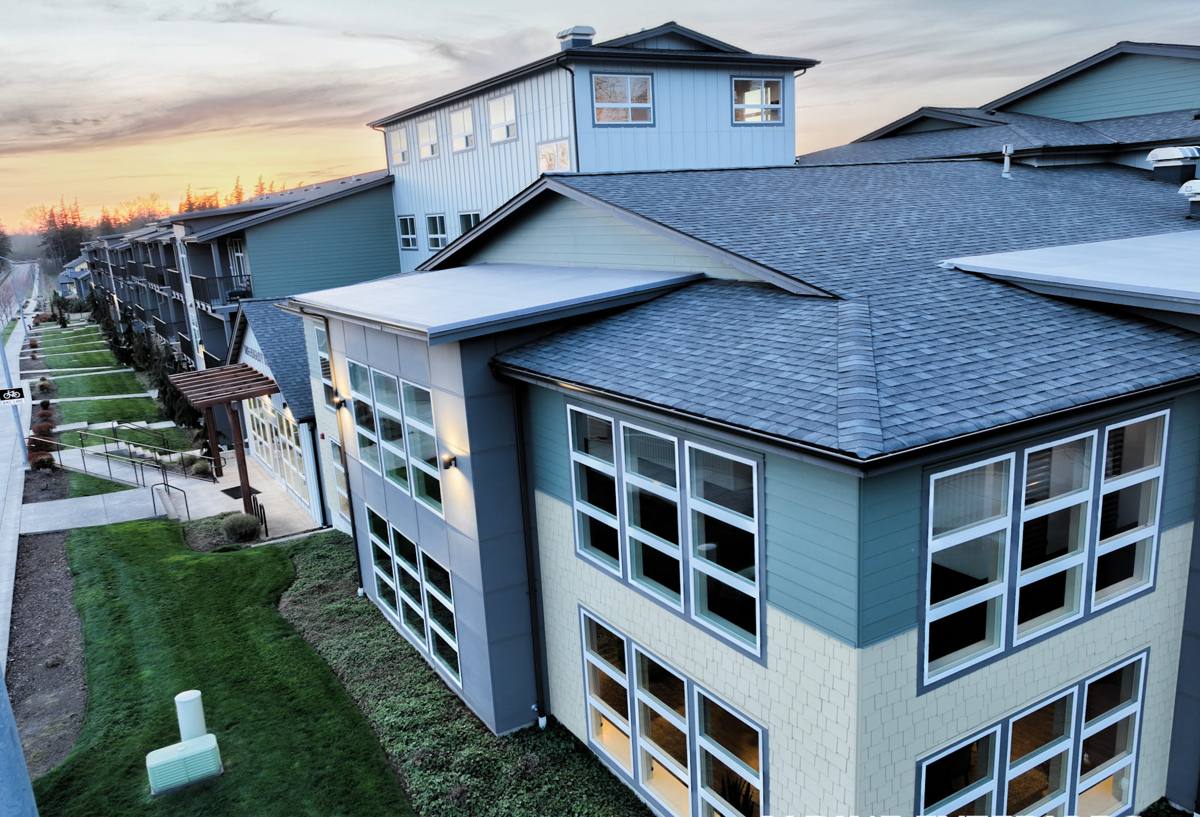
What Snell Isle's Climate Actually Does to Board and Batten Siding
Board and batten construction relies on vertical panels or boards with a raised strip — the batten — covering each seam. That seam-covering design is part of what makes the style attractive, but every one of those battens is also a joint, and every joint is a place where wind, water, and heat can find a weakness if the material or the fastening is wrong.
Wind
Waterfront exposure means Snell Isle homes see more sustained wind pressure on their exterior walls than homes further inland, and that pressure spikes hard during named storms and seasonal squalls. Vertical siding profiles have more surface area per fastening point along their edges than typical lap siding, so fastener spacing and the strength of the substrate underneath the battens matter more here than on a sheltered inland lot.
UV and Heat
Florida sun is intense year-round, not just in summer, and a south- or west-facing wall on Snell Isle gets long, direct exposure with almost no seasonal relief. Cheap or unstable finishes chalk, fade, and crack under that kind of sustained UV load, and a board and batten profile shows fading unevenly — the flat faces weather differently than the shadowed edges next to each batten, which makes an inconsistent finish more visible than it would be on a flat lap wall.
Salt Air
Being this close to the bay means airborne salt settles on exterior surfaces constantly, not just after a storm. Salt accelerates corrosion of exposed fasteners and metal flashing, and it degrades paint and caulk faster than it would a few miles inland. Anything installed here needs fastener and flashing choices that assume ongoing salt exposure, not occasional coastal weather.
Wind-Driven Rain
Wind-driven rain is pushed sideways and upward under normal building details, and it finds gaps that vertical water alone never would. Board and batten's vertical seams, if not flashed and lapped correctly, give wind-driven rain a straight path down behind the cladding toward the wall sheathing — which is where hidden rot and moisture damage actually start.
What a Correct Board and Batten Installation Involves
A lot of the failures homeowners eventually deal with on this style of siding trace back to shortcuts taken during installation, not the material itself. On a Snell Isle home, we treat these as non-negotiable:
- Proper weather-resistive barrier behind the siding — a continuous drainage plane that lets any moisture that gets past the cladding drain back out instead of sitting against the sheathing.
- Correct batten and fastener spacing — matched to the manufacturer's published wind-load requirements for our zone, not a generic spacing pattern.
- Fasteners rated for coastal exposure — corrosion-resistant fastener specifications appropriate for salt-air environments, installed at the depth and pattern the manufacturer requires.
- Flashing at every horizontal interruption — window heads, doors, roof-to-wall intersections, and any trim transition, so wind-driven rain has nowhere to collect.
- Correct clearance at the bottom edge — siding held up off decks, patios, and grade so it isn't wicking moisture from below.
- Factory-finished panels rather than field-painted boards — a consistent, factory-cured finish resists UV fading and salt exposure far more evenly than a finish applied on site.
Skip any one of these and the siding may still look right for a year or two — the problems that show up on Snell Isle homes tend to surface after the first storm season or two of real exposure, not on day one.
Why We Only Install James Hardie for This Application
Board and batten siding is sold in several materials, and each one handles this climate differently. We standardized on James Hardie fiber cement for every siding job we do, board and batten included, because of how it performs specifically under wind, UV, and salt exposure over the long haul — not because of a marketing preference.
| Material | How it holds up on Snell Isle | Why it factors into our decision |
|---|---|---|
| James Hardie fiber cement | Non-combustible, dimensionally stable in heat and humidity, ColorPlus factory finish resists UV fading and salt-driven wear | What we install — engineered HZ product lines built for high-wind, high-moisture climates like ours |
| LP SmartSide (engineered wood) | Wood-based core is more sensitive to sustained moisture exposure at cut edges and seams than fiber cement | We don't install it — the moisture sensitivity is a real liability this close to the water |
| Vinyl board and batten | Can warp, sag, or become brittle under intense, sustained heat and UV, and isn't rated for the wind speeds this location can see | We don't install it — appearance and wind performance both fall short over time here |
| Primed spruce or cedar | Natural wood requires ongoing repainting and caulking to keep ahead of humidity, salt air, and UV; failure at end grain and seams is common | We don't install it — the maintenance burden in this climate is significant |
None of these are "bad" products in every setting — LP SmartSide and vinyl both have honest use cases elsewhere, and cedar has real aesthetic appeal. But for a waterfront neighborhood dealing with hurricane-force wind exposure, constant UV, wind-driven rain, and salt air, we've concluded fiber cement is the material that holds its finish, its shape, and its warranty coverage the longest with the least homeowner upkeep. That's why James Hardie is the only siding system we put on a house.
The James Hardie Board and Batten System We Install
For this style, we typically install Hardie vertical panel siding with batten strips, engineered as part of Hardie's HZ5 product line for Gulf Coast and high-humidity climates. Panels arrive with a factory-applied ColorPlus finish — baked on and warrantied against fading, rather than a coat of paint applied after the boards are already on the wall. That distinction matters most in a location like Snell Isle, where sun exposure is constant and a field-applied finish is the first thing to show wear.
Because it's fiber cement, the material also resists termites, won't rot, and is non-combustible — none of which change with proximity to the bay, but all of which matter for long-term ownership of a waterfront home.
Our Process for Snell Isle Homes
Every Snell Isle project starts with a walk of the property, not a phone estimate. Waterfront lots often have specific drainage patterns, mature landscaping close to the walls, and existing moisture issues hidden behind older siding — none of which show up without a physical look at the house.
- On-site assessment — we inspect existing siding, sheathing condition where accessible, drainage around the foundation, and any problem areas (window returns, roof-wall intersections, low-clearance sections).
- Scope and product selection — we confirm panel profile, batten spacing, and color, and walk through what full removal versus recover involves for your specific walls.
- Permitting — siding work in St. Petersburg and Pinellas County requires permitting, and we handle that process rather than leaving it to the homeowner.
- Installation to manufacturer spec — weather barrier, flashing, fastening, and batten spacing installed to James Hardie's published requirements for our wind zone.
- Final walkthrough — we review the completed work with you before calling the job done, including how to spot early signs anything needs attention down the road.
What Board and Batten Siding Typically Costs to Do Right
Pricing depends on the size and complexity of the home, how much of the existing wall assembly needs repair before new siding goes on, and how much trim and detail work the batten pattern requires. Rather than quote a number that won't reflect your house, here's what actually drives the cost up or down:
| Cost factor | Why it matters |
|---|---|
| Sheathing condition underneath old siding | Hidden moisture damage found during removal has to be repaired before new siding goes on — this is common on older waterfront homes |
| Wall height and roofline complexity | More gables, dormers, and cut-ins mean more flashing detail and labor per square foot |
| Batten spacing and pattern | Tighter batten spacing looks great but uses more material and labor than wider spacing |
| Full removal vs. recover | Removing old siding down to the sheathing costs more up front but is usually the right call when moisture issues are suspected |
| Trim and accent detail | Corner boards, window trim, and transitions to other materials add labor time |
We'll give you an itemized, honest number after the on-site assessment — not a rough guess based on square footage alone.
Why It Matters That We Already Work in This Neighborhood
A crew that's done siding work on Snell Isle before already understands things a first-timer has to learn on your dime: how close some lots sit to seawalls and canals, how mature tree canopy affects access and cleanup, and what Pinellas County's permitting and inspection process actually expects for exterior work in a flood-aware waterfront area. That familiarity shows up in fewer surprises mid-project and fewer callbacks after the fact.
It also matters for something less obvious: matching the character of the neighborhood. Snell Isle has a distinct architectural mix, and a board and batten installation that looks sharp on a different type of home can look out of place here if the proportions, trim, and color aren't considered against what's actually around it.
A Quick Checklist Before You Sign With Anyone
- Do they specify the exact Hardie product line and HZ rating for our climate zone, not just "fiber cement"?
- Will fastener and flashing details be spelled out in writing, not left to the crew's judgment on site?
- Do they pull their own permits, or expect you to handle it?
- Have they worked on waterfront or near-waterfront homes in St. Petersburg before?
- Does the estimate distinguish between full removal and recover, with a clear reason for the recommendation?
Maintenance After Installation
Correctly installed James Hardie board and batten siding is genuinely low-maintenance, but "low" isn't "none," especially this close to the bay. An annual rinse to clear salt residue, a visual check of caulking at trim and window returns after storm season, and prompt attention to any impact damage will keep the system performing the way it's designed to. None of this compares to the repainting and recaulking cycle that wood or field-finished materials demand, but a quick seasonal look costs nothing and catches small issues before they become expensive ones.
If you're weighing board and batten siding for a Snell Isle home, we're happy to walk the property with you, look at what's there now, and give you a straight answer about what it will take to do it right — no pressure, no obligation. Request a free estimate using the form below.