 St. Petersburg Roofing
 Why Windows Take More Punishment on Snell Isle
Snell Isle sits closer to open water than most St. Petersburg neighborhoods, and that changes what a window has to survive. Homes here face more direct exposure to wind and wind-driven rain off the bay, more salt in the air corroding hardware and finishes, and — because the neighborhood mixes older, established homes with larger custom-built houses — a lot of window openings that were never standard sizes to begin with. A window that would be fine a few miles inland can fail early on a canal-front or open-water lot if it wasn't built and installed with that exposure in mind.
This page is specifically about custom window work for Snell Isle properties: what the climate demands, what a correct job actually involves, and how we handle it as a crew that works this part of St. Petersburg regularly.
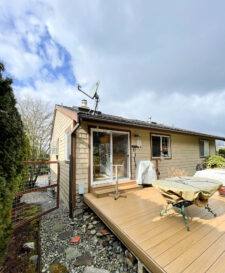
The Climate Factors That Matter Here
Hurricane-Force Wind and Wind-Driven Rain
Pinellas County sits in a wind-borne debris region under Florida's building code, and waterfront and near-waterfront lots like the ones on Snell Isle see the strongest, most direct wind loads during storms. It's not just the wind itself — it's rain being driven horizontally into the building envelope at high pressure. A window that isn't rated, flashed, and sealed correctly for that condition doesn't usually fail all at once; it fails slowly, with water finding its way behind trim and into wall cavities over several storm seasons before anyone notices.
Year-Round UV Exposure
Florida sun is intense nearly every month of the year, not just in summer. UV breaks down vinyl, degrades seals and gaskets, and fades interior finishes near glass that isn't properly coated. On open, sunny lots — which describes a lot of Snell Isle — this shows up as chalky or brittle frames, cracked weatherstripping, and glass units that lose their seal years before they should.
Salt Air and Corrosion
Proximity to the bay means salt in the air even when there's no storm in sight. Salt accelerates corrosion on hardware, screws, hinges, and any exposed metal components. Standard hardware that would last decades inland can start pitting and seizing up in a fraction of that time on a waterfront lot. This is one of the most overlooked factors in window selection here — it's rarely about the glass failing first; it's the moving parts and fasteners.
What "Custom" Really Means for Windows in This Neighborhood
"Custom" gets used loosely in this trade, so it's worth being specific. On Snell Isle, custom window work usually means one or more of the following:
- Openings that don't match modern standard sizes — common in older homes where the structure was built around the original windows, not the other way around
- Architectural shapes: arched tops, oversized picture windows, or multi-panel configurations that a stock product line doesn't cover
- Larger custom-built homes with taller ceilings and correspondingly taller window openings than typical residential stock
- Matching sightlines and proportions across a whole elevation, so a single replaced window doesn't look out of place next to its neighbors
None of that is a problem — it just means the window has to be fabricated to the opening rather than the opening adjusted to fit an off-the-shelf window. That's a different process, with different lead times and different places where a job can go wrong if it's rushed.
Impact Rating and Florida Building Code — What Actually Applies
Pinellas County falls within Florida's wind-borne debris region, which means new windows and replacements generally need to meet impact standards or be paired with approved storm protection, and the specific wind pressure a window has to withstand depends on the home's location, elevation, and exposure category. A waterfront or near-waterfront lot on Snell Isle will typically carry a higher wind load requirement than a home set well back from open water, even within the same zip code.
This isn't something to guess at. Every custom window job here should be pulled under permit, engineered to the actual wind load for that address, and documented with the proper product approval paperwork. If a contractor is vague about permits or product approvals on a job like this, that's worth pausing on — it's not a corner that should get cut on a waterfront property.
Frame and Glass Material Options
There's no single "best" material for every home — the right choice depends on the home's style, budget, and how close it sits to open water. Here's how the common options compare for this kind of coastal, high-UV setting:
| Material | Salt air / corrosion resistance | UV / heat performance | Best fit |
|---|---|---|---|
| Vinyl | Good — won't corrode, but frames can degrade under constant UV over time | Decent insulator; quality varies a lot by manufacturer | Budget-conscious replacements on less exposed elevations |
| Aluminum | Needs a quality marine-grade finish; bare or low-grade coatings pit faster near the water | Strong and slim sightlines, but conducts heat more than other frames | Larger custom openings and modern architectural styles |
| Fiberglass | Excellent — very stable in salt air and doesn't expand/contract much with heat | Strong UV and thermal performance | Waterfront homes where long-term durability matters most |
| Wood-clad | Vulnerable unless cladding and seals are maintained closely | Good insulation, classic look | Historic-style homes where appearance is the priority, with a maintenance commitment |
Glass matters as much as frame material. Impact-rated laminated glass is standard practice for this kind of exposure, and low-E coatings help cut down on heat gain and UV fade without darkening the room. Whatever material a homeowner chooses, hardware and fasteners should be corrosion-resistant — that detail gets skipped more often than it should, and it's usually the first thing to fail on a waterfront lot.
How We Approach a Custom Window Job on Snell Isle
Custom window work rewards patience at the front end and precision at the install. Our process generally runs like this:
- Site visit and measurement. We measure every opening individually — on older or larger custom homes, openings are rarely perfectly uniform, and treating them as if they are is how gaps and callbacks happen.
- Evaluate the opening itself. Before ordering anything, we check the framing, sill condition, and existing flashing for rot, water intrusion, or movement. A new window installed into a compromised opening will fail regardless of how good the window is.
- Fabrication. Custom units take longer to build than stock sizes — this is the trade-off for getting the right fit and the right wind rating instead of forcing a standard product into a non-standard opening.
- Tear-out and prep. Old units come out carefully to avoid damaging surrounding stucco, siding, or trim, especially on older Snell Isle homes where matching existing finishes matters.
- Flashing and waterproofing. This is the step that determines whether the window survives its first real storm. Proper flashing tape, sill pans, and sealant sequencing matter more than the window brand — a great window installed with sloppy flashing will still leak.
- Install and seal. The unit is set, shimmed level and plumb, fastened per the engineered spec, and sealed both inside and out.
- Final check and permit close-out. We confirm operation, weather-seal, and get the permit inspection scheduled and closed so there's a documented record of the work.
What Drives the Cost of Custom Windows Here
Costs for custom window projects vary widely based on size, material, and site conditions, so we won't quote a number that doesn't mean anything without seeing the openings. What we can tell you is what actually moves the price:
| Cost factor | Why it matters |
|---|---|
| Opening size and shape | Arched, oversized, or non-rectangular openings cost more to fabricate than standard rectangular sizes |
| Frame material | Fiberglass and higher-grade aluminum generally cost more upfront than vinyl but hold up longer in salt air |
| Wind rating required | A higher engineered wind load for a more exposed lot means heavier glass and hardware, which costs more |
| Number of openings and access | Multiple windows on one job reduce per-unit cost; difficult access (second story, tight side yards near a canal) adds labor time |
| Existing damage | Rot or water damage found in the opening during tear-out has to be repaired before the new window goes in, which isn't always visible until the old one is out |
The honest advice here: get the opening actually inspected before assuming a number. Two windows that look similar from the street can cost very differently once we see what's behind the trim.
Maintaining Custom Windows in a Salt-Air Waterfront Environment
Good installation buys years of life, but salt air and Florida sun mean these windows need more regular attention than the same product would inland. A simple maintenance routine goes a long way:
- Rinse frames and hardware with fresh water periodically to clear salt buildup, especially after storms
- Check weatherstripping and sealant yearly for cracking, shrinkage, or gaps
- Lubricate hinges, locks, and rollers with a corrosion-appropriate product rather than letting salt-stiffened hardware get forced
- Look for chalking, discoloration, or soft spots in surrounding trim, which can signal a developing water intrusion issue
- Keep an eye on caulking around the frame perimeter — it's usually the first seal to fail and the cheapest to catch early
Why Hiring a Crew That Already Works This Neighborhood Matters
Snell Isle isn't a typical inland St. Petersburg lot, and a contractor who mostly works further from the water can underestimate what's actually needed here — the wind exposure, the salt, the mix of older architecture and larger custom builds, and the logistics of working canal-front and near-waterfront properties. A crew that already works this area knows to check the engineered wind load for the specific location rather than assuming a blanket standard, knows what corrosion-resistant hardware actually holds up here versus what looks fine in the showroom, and isn't guessing at permitting requirements for the first time on your job.
That familiarity shows up in small decisions throughout a project — how flashing gets sequenced, what fastener grade gets specified, how tear-out is handled on an older stucco exterior — that add up to whether the windows are still performing well in ten years or leaking by the third storm season.
If you own a home on Snell Isle and you're weighing custom window replacement or a new opening, we're happy to come take a look, measure what you actually have, and walk you through what it would take to do it right for this location. There's no cost and no pressure to get a straight answer — just fill out the form below to get started.