 St. Petersburg Roofing
 Why Snell Isle Roofs Take More Punishment Than Most
Snell Isle sits on the water, and that changes what a roof has to deal with day in and day out. Homes here face salt-laden air coming off Tampa Bay, long stretches of intense Florida sun, wind-driven rain that finds every gap in a poorly sealed roof, and the real possibility of hurricane-force winds during storm season. Any one of those on its own is manageable. Together, over years, they wear down roofing materials and fasteners faster than most manufacturers' warranty literature assumes.
Salt air is corrosive to exposed metal fasteners, flashing, and drip edge if the wrong grade of material is used or if it's not properly coated. UV exposure breaks down the oils in asphalt shingles and can make lesser underlayments brittle years before they should fail. Wind-driven rain doesn't need a hurricane to cause damage — it just needs a roof with marginal flashing details or aging seals around penetrations. And when a named storm does come through, a roof that wasn't installed to current wind-rating standards is the weak link in the whole house.
A new roof installation on Snell Isle isn't a generic job. It's an opportunity to correct whatever the old roof got wrong and put a system on the house that's actually matched to a waterfront St. Petersburg property.
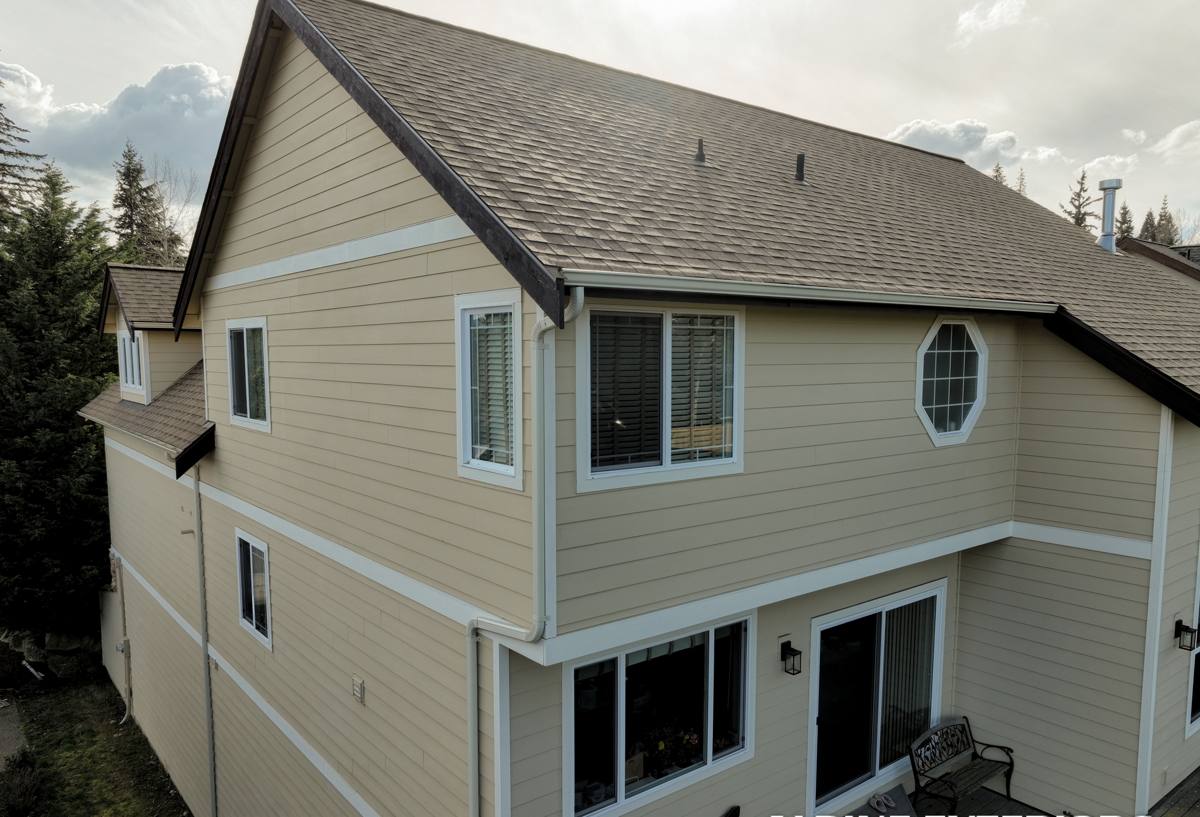
What a Correctly Installed New Roof Actually Involves
"New roof" gets treated like a single product, but it's really a layered system, and the parts homeowners never see are usually what determine whether the roof lasts 15 years or 30.
The Deck
Everything starts with the roof deck. Once the old roofing is stripped, we inspect the sheathing for rot, delamination, or nail patterns that don't meet current wind-uplift requirements. Any soft or damaged decking gets replaced before anything else happens — installing new roofing over a compromised deck just guarantees an early failure.
Underlayment
In a coastal, storm-exposed area, underlayment is not the place to cut corners. We use a high-quality synthetic or self-adhering underlayment system appropriate to the roof pitch and material, sealed at seams and penetrations. This layer is what protects the house if wind ever lifts a shingle or tile, or if water gets driven up under the roof covering during a storm — which happens more often on exposed, water-adjacent lots than inland ones.
Flashing
Flashing around chimneys, skylights, walls, and roof-to-wall transitions is where most leaks actually start, not in the field of the roof. Correct flashing means new metal, proper step-flashing technique, and sealants rated for sun and salt exposure — not just caulk over the old pieces.
Fasteners and Attachment
Wind resistance comes down to how the roofing is attached, not just what brand of shingle or tile is on top. That means following the nailing pattern and fastener spacing required for the wind zone, using corrosion-resistant fasteners suited to a salt-air environment, and matching the attachment method to the wind rating the material is actually certified for.
Ventilation
A roof that can't breathe traps heat and moisture in the attic, which shortens the life of shingles and can lead to deck problems over time. Proper intake and exhaust ventilation is part of a correct installation, not an optional add-on.
Our New Roof Installation Process for Snell Isle Properties
- On-site assessment. We inspect the existing roof, deck condition, ventilation, and any storm or moisture damage, and walk the homeowner through what we find.
- Material and system selection. Based on the home's exposure, roof pitch, and the homeowner's budget and preferences, we go over realistic options — not a one-size pitch.
- Permitting. We handle the permit application with the City of St. Petersburg and make sure the installation plan meets current Pinellas County wind and building code requirements.
- Tear-off and deck inspection. Old roofing comes off completely, and the deck is inspected and repaired before anything new goes down.
- Underlayment, flashing, and installation. Each layer goes on to spec, with attention to the details — flashing, fastening, ventilation — that determine long-term performance.
- Final inspection and cleanup. The job is inspected against code and our own standards, the site is cleaned of debris and nails, and we walk the homeowner through the finished roof.
Roofing Material Options for a Waterfront St. Pete Home
There's no single "best" roofing material for Snell Isle — the right choice depends on the home's style, the budget, and how much long-term maintenance the homeowner wants to take on. Here's an honest comparison of the main options we install.
| Material | Wind/Storm Performance | Salt Air & UV Behavior | Relative Cost | Maintenance |
|---|---|---|---|---|
| Architectural asphalt shingle | Strong when installed with correct nailing pattern and rated products | Good; quality granule coatings resist UV fade | Lower to mid | Periodic inspection, especially after storms |
| Standing seam metal | Excellent wind uplift resistance when properly fastened | Very good with correctly coated/finished panels; avoid mismatched fasteners that can corrode | Mid to higher | Low; occasional fastener and seam checks |
| Concrete or clay tile | Very good wind resistance when tiles are properly attached, but individual tiles can crack from impact | Excellent; tile itself is largely unaffected by salt air | Higher | Watch for cracked/slipped tiles and underlayment life |
Whatever material a homeowner chooses, the wind rating and installation method matter more to real-world storm performance than the brand name on the product. We only install systems where the attachment method and underlayment match the manufacturer's certified wind rating for the job — not just whatever is fastest to put down.
Wind Ratings, Permits, and Pinellas County Code
St. Petersburg and Pinellas County building codes set minimum wind-uplift and installation standards for roofing, and those requirements exist because this region gets tested by hurricanes and tropical storms on a fairly regular basis. A permitted, code-compliant installation isn't paperwork for its own sake — it's what makes the difference between a roof that stays put and one that doesn't during a real wind event.
We pull the required permits for every new roof installation and build to the current wind-rating requirements for the property's location, not to whatever was code when the old roof went on. If your existing roof was installed decades ago, a replacement is also a chance to bring the whole system up to current standards.
Signs a Roof Needs Replacement, Not Another Repair
Homeowners often ask whether a problem is a patchable repair or a sign the whole roof is at the end of its life. A few patterns tend to point toward replacement:
- Shingles that are cracked, curling, or losing granules across large areas, not just one spot
- Multiple leaks in different areas of the roof, rather than one isolated point
- Visible sagging in the roofline or soft spots underfoot on the deck
- A roof that's approaching or past the expected service life of its material
- Storm damage severe enough that repairing it piecemeal would cost close to what replacement runs
- Recurring attic moisture, mold, or musty odors tied to roof leaks rather than plumbing
If only one or two of these apply and the roof is otherwise sound, a repair may genuinely be the right call — we'll tell you that directly rather than push a replacement the roof doesn't need yet.
Why Local Experience on Snell Isle Actually Matters
A crew that regularly works Snell Isle and the surrounding St. Petersburg waterfront knows things a roofer coming in from outside the area has to learn on the fly: how exposed a given street or block is to wind off the bay, which detailing holds up under salt exposure versus which fails early, and what the City of St. Petersburg's permitting and inspection process actually looks like in practice. That local familiarity shortens the permitting timeline, avoids rework, and means the roof going on your house is built for the conditions it will actually face — not a generic spec sheet.
It also means we're not disappearing after the invoice is paid. A roofing company that works this neighborhood regularly has a reason to stand behind its installation, because we'll be back in the area for the next job, the next storm season, and any follow-up the homeowner needs.
What to Ask Before You Sign a Roofing Contract
Whether you go with us or anyone else, a few questions separate a solid contractor from a risky one, especially in a market where storm season brings in out-of-area crews chasing quick work:
- Are you licensed to do roofing work in Florida, and can you provide proof of current insurance?
- Will you pull the required City of St. Petersburg or Pinellas County permit for this job?
- What underlayment, flashing, and fastening method will actually be used — not just the shingle or tile brand?
- What's the manufacturer's wind rating for this installation method, and does it match my property's requirements?
- What does the workmanship warranty cover, separate from the manufacturer's material warranty?
A contractor who answers these clearly and in writing is worth trusting. One who's vague on permits or insurance is worth walking away from.
Get a Straightforward Roof Assessment
If your Snell Isle home's roof is showing its age, took a hit in recent weather, or you just want an honest read on how much life is left in it, we're happy to take a look. There's no pressure and no obligation — just a clear assessment and, if a new roof makes sense, a straightforward plan for getting it done right. Fill out the form below to request your free estimate.