 St. Petersburg Roofing
 Why St. Pete Beach Homes Are Hard on Siding
St. Pete Beach sits about as close to the Gulf as a house can get without floating in it, and that proximity shapes everything about how exterior materials perform here. Homes a few blocks off the water still catch salt-laden air on most days, and that air doesn't stop at the studio bungalows near the beach — it moves inland through St. Petersburg and across Pinellas County on the prevailing breeze. Add in wind-driven rain during summer storms, direct tropical sun almost 365 days a year, and the occasional brush with hurricane-force gusts, and you have one of the more demanding siding environments in the state.
Salt Air and Coastal Corrosion
Airborne salt is corrosive to metal fasteners and trim, and it settles into porous or poorly sealed siding surfaces over time. On wood-based products this often shows up as swelling, soft spots, or paint that won't hold. On the wrong fastener hardware, it shows up as rust streaks bleeding down the face of the siding within a few years. Material choice and hardware choice both matter more here than they would fifty miles inland.
Wind-Driven Rain and Hurricane Gusts
St. Pete Beach homes face rain that doesn't fall straight down — it comes in sideways, driven by Gulf winds, and it finds every gap in a siding system that isn't properly lapped, caulked, and flashed. During tropical storms and hurricane events, wind loads on exterior walls spike well above what most inland Florida homes ever see. Siding that's fastened correctly and rated for the exposure stays put; siding that's under-fastened or improperly installed is one of the first things to fail in a storm.
Year-Round UV Exposure
Florida's sun is relentless, and it's not seasonal the way it is farther north. Paint films that would last a decade in a milder climate can chalk, fade, or crack in half that time under this much UV. Factory-applied, baked-on finishes hold their color far longer than field-applied paint, which is one of the reasons the finish system matters as much as the substrate underneath it.
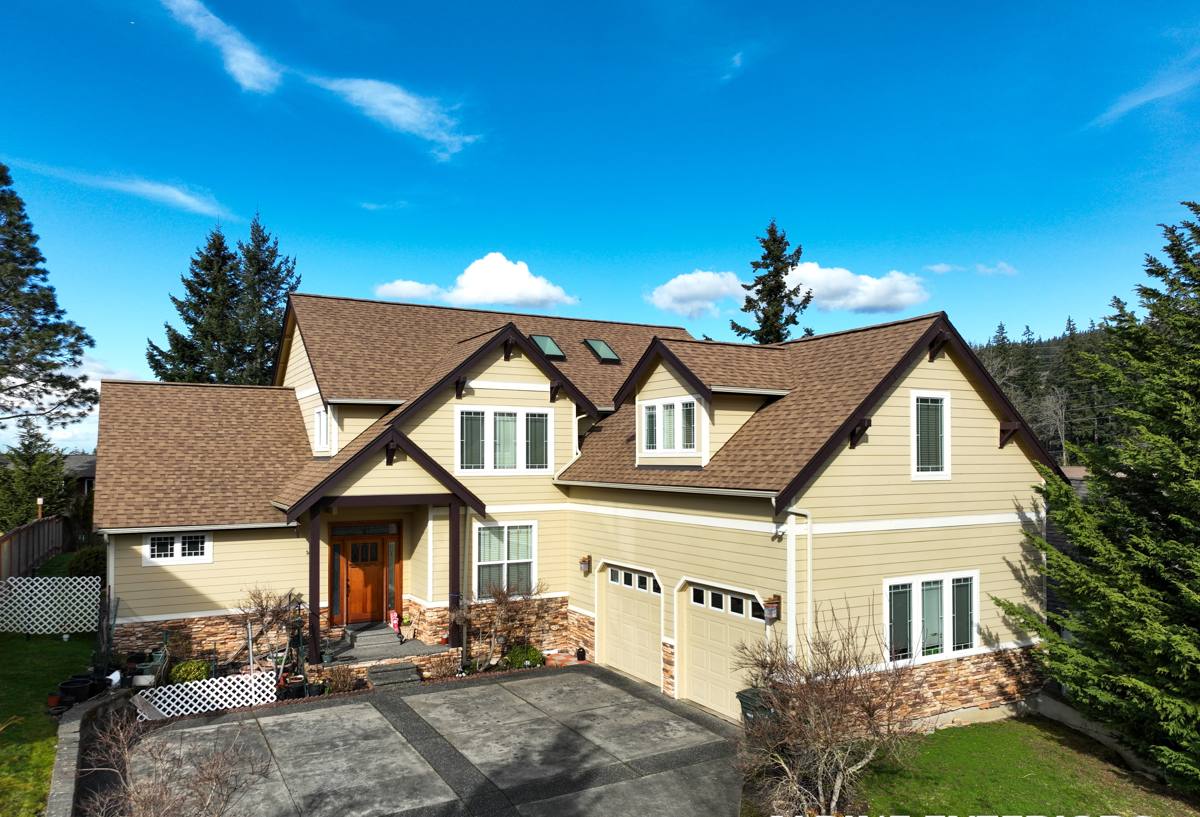
Why Fiber Cement Is the Right Material for This Stretch of Coast
Fiber cement siding is made from cement, sand, and cellulose fiber, pressed and cured into planks that don't rot, don't attract termites, and won't ignite from a wind-blown ember — a real consideration in a state that sees its share of both storms and dry-season brush fires. Unlike vinyl, it doesn't soften, warp, or blow off the wall in high wind when installed to spec. Unlike wood or wood-composite products, it doesn't absorb water and swell at the cut edges and butt joints, which is where coastal humidity does the most damage over time.
That doesn't mean fiber cement is maintenance-free or foolproof. It's heavier to install correctly, it has to be cut and fastened according to the manufacturer's specifications, and the caulking and flashing details around windows, doors, and penetrations matter just as much as the siding itself. A fiber cement wall installed loosely, over-driven with fasteners, or caulked with the wrong product will still have problems near the coast — just different ones than a vinyl or wood wall would have.
Why We Install Only James Hardie — Not Every Fiber Cement Brand
"Fiber cement" describes a category, not a single product, and the brands in that category aren't interchangeable. We standardized on James Hardie because it's the manufacturer that engineers its product line specifically for climate zones rather than selling one formulation everywhere. Hardie's HardieZone system includes an HZ10 formulation built for hot, humid, high-moisture climates like ours — a meaningful difference from a generic fiber cement board that wasn't engineered with Gulf Coast conditions in mind.
Hardie's ColorPlus finish is baked on at the factory under controlled conditions, rather than sprayed or rolled on site, which gives it better UV and fade resistance than field-applied paint typically achieves — important given how much sun this siding will see every single year. Hardie also backs its siding with a transferable limited warranty, which matters to homeowners who may sell within the warranty period, a common scenario in a beach community with a lot of turnover. We won't install LP SmartSide, vinyl, Cemplank, Allura, or primed wood siding on a home here — not because those products have no legitimate use anywhere, but because we've made Hardie our standard for this coastline and we'd rather do one system exceptionally well than several systems adequately.
What a Correct Fiber Cement Installation Actually Involves
Prep and Moisture Management
Everything starts underneath the siding, not with the siding itself. That means a proper weather-resistive barrier, correctly lapped and taped seams, and flashing at every window, door, and penetration that directs water back out rather than behind the wall. In a climate that sees this much wind-driven rain, a shortcut here is invisible on installation day and expensive five years later.
Fastening and Clearances
Hardie's installation instructions specify fastener type, spacing, and penetration depth, and those specs exist for a reason — under-fastened siding is one of the first things to fail in high wind. In a coastal zone, corrosion-resistant fasteners are the right call, since standard hardware can start showing rust bleed within a few years of salt exposure. Hardie also calls for a minimum clearance between the bottom of the siding and grade, roofing, decks, and paved surfaces, so water doesn't wick up into the plank over time — a detail that's easy to overlook and expensive to fix later.
Joints, Caulking, and Finish
Butt joints, corners, and trim intersections need to be caulked with a product compatible with the ColorPlus finish and rated for continuous UV and moisture exposure — not a generic caulk grabbed off the shelf. Field-cut edges should be primed and sealed per manufacturer instructions before they're closed up, since an unsealed cut edge is one of the few places fiber cement can actually take on water. Get these small details right and the siding performs for decades; get them wrong and you're troubleshooting individual joints within a few years, regardless of how good the boards themselves are.
Siding Options for a Coastal Pinellas County Home
| Material | Coastal wind/salt performance | UV/finish durability | Long-term maintenance |
|---|---|---|---|
| James Hardie fiber cement (HZ10) | Engineered for high-wind, high-moisture climates; holds fasteners well when installed to spec | Factory-baked ColorPlus finish resists fading longer than field-applied paint | Occasional caulk/paint touch-up at joints; no rot or termite risk |
| Vinyl siding | Can deform, crack, or blow off in sustained high wind; softens in intense heat | Color is molded through the material but can fade and chalk under year-round sun | Low upkeep but limited repair options once damaged; not repaired, replaced panel by panel |
| Wood or primed wood-composite siding | Absorbs wind-driven rain at joints and edges; prone to swelling in humid coastal air | Requires field-applied paint that needs repainting on a shorter cycle in this climate | Highest ongoing maintenance; vulnerable to rot and pests near the coast |
How Our Process Works for a St. Pete Beach Project
We start with an on-site inspection to assess the current wall assembly, look for moisture or rot behind the existing siding, and measure the home for material. From there we walk through color and profile options in Hardie's ColorPlus lineup and put together a written scope that spells out prep work, fastening approach, and trim details — not just a square-footage price. Once material is on site, we handle removal of the old siding, correct any substrate or flashing issues we find underneath, and install to Hardie's published specifications for this climate zone, including fastener type and clearances appropriate for a coastal property. We walk the finished job with the homeowner before calling it done.
Because we work this part of Pinellas County regularly, we're familiar with the wind exposure differences between a home a block off the Gulf and one set back near the Intracoastal side, and we adjust fastening and detailing accordingly rather than treating every St. Pete Beach home identically.
Why It Matters That Your Contractor Already Works This Coastline
Fiber cement siding is unforgiving of shortcuts in a way that's not always obvious at first glance. A crew that mostly installs vinyl or works primarily inland doesn't necessarily know the fastening and clearance adjustments that matter for a home exposed to salt air and Gulf wind. Hiring locally isn't just about convenience — it's about working with a crew that has already made (and corrected) the mistakes that come with this specific exposure, so your home doesn't have to be the one they learn on.
- Ask whether the crew is factory-trained or certified on Hardie's installation requirements, not just "experienced with siding" in general
- Confirm they'll use corrosion-resistant fasteners appropriate for coastal exposure
- Ask how they handle flashing and moisture barrier work, not just the visible siding
- Get the fastener spacing, clearance details, and caulk products specified in writing, not just implied
- Check that they're pulling the required local permits and scheduling inspections, not skipping them
- Ask for references from other jobs in St. Pete Beach or similarly exposed coastal Pinellas neighborhoods
Maintenance and What the Warranty Actually Covers
Properly installed Hardie siding is low-maintenance, not no-maintenance. Plan on an annual rinse to clear salt residue and airborne grime, periodic inspection of caulk lines at joints and trim, and prompt attention if you ever notice a crack, gap, or soft spot at a fastener location. Hardie's limited warranty covers the siding itself and is transferable to a new owner within its term, which is worth documenting at the time of installation — a detail that matters more in a market like this one, where beach-area homes change hands relatively often.
Get a Straight Answer for Your Home
Every home on this stretch of coast carries a slightly different wind and moisture exposure, and the right approach depends on the specifics of your wall assembly, orientation, and current siding condition. If you'd like a straightforward look at what your St. Pete Beach home needs, we're happy to walk the property, answer questions, and put together a clear, no-pressure estimate — just fill out the form below.