 St. Petersburg Roofing
 New-Construction Windows for St. Pete Beach Homes
St. Pete Beach sits on a barrier island, which means every new-construction window opening here is dealing with conditions most of the country never has to think about: salt-laden air, near-constant humidity, direct year-round UV exposure, and the real possibility of hurricane-force wind and wind-driven rain. When a home is being built from the ground up, or when an addition, teardown-rebuild, or full gut renovation opens up new rough openings, the window installation isn't a retrofit patch job — it's a structural and weatherproofing decision that gets built into the walls before drywall, siding, or stucco ever goes on. Get it right at this stage and the house performs for decades. Get it wrong and you're chasing leaks, stress cracks, and hardware failure long after the framing crew is gone.
This page covers what new-construction window installation actually involves for a St. Pete Beach property, what the code and climate demand, and how we approach the work as a crew that installs in Pinellas County on a regular basis — not occasionally.
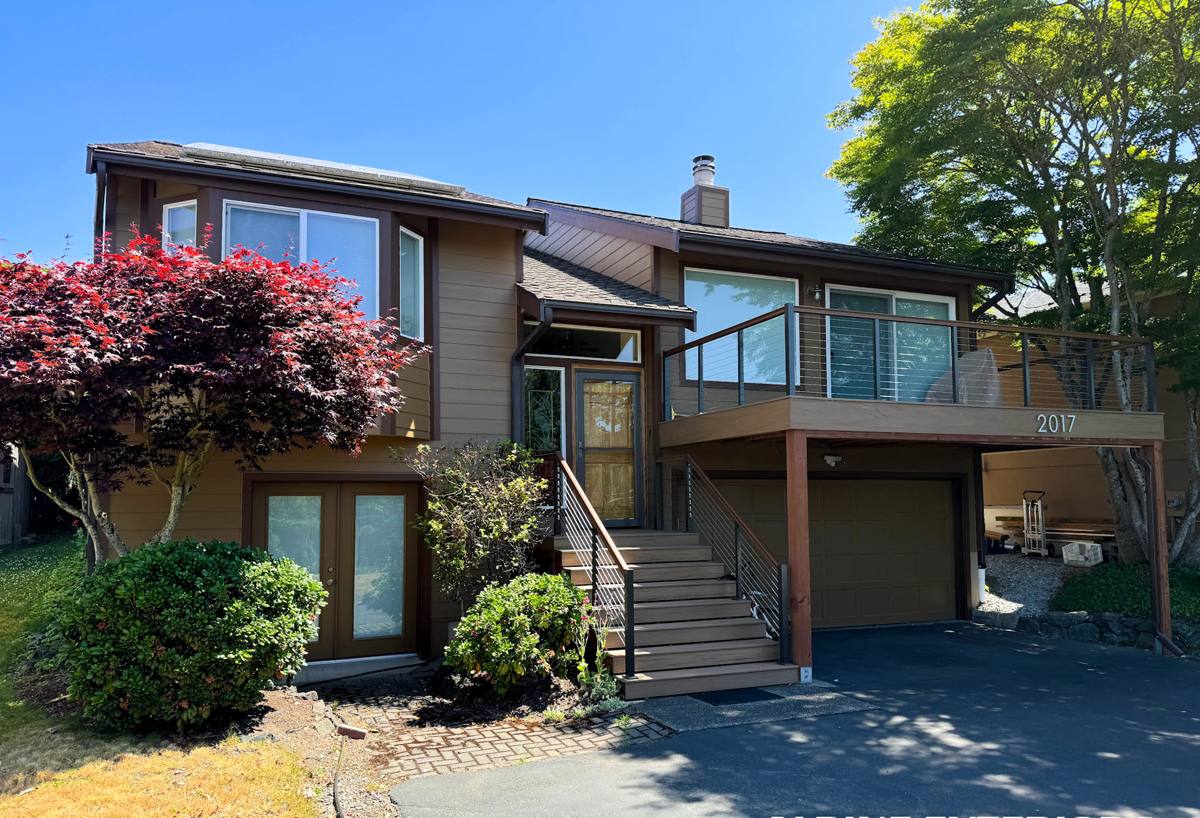
Why New Construction Is a Different Job Than Replacement
New-construction windows have a nailing fin (or flange) that gets integrated directly into the wall's weather-resistive barrier and structural sheathing before exterior finishes go on. Replacement windows, by contrast, get inserted into an existing frame with the exterior finish already in place. The two jobs use different products, different flashing sequences, and different tolerances for error.
On a new build or a rebuild, we're not working around existing stucco or siding — we're setting the window as part of the building envelope itself. That gives us the chance to do the flashing, sealant, and fastening sequence correctly from scratch, which is the single biggest factor in whether a window leaks five years down the road. It also means the window has to be selected and installed to match the structural wind-load calculations the architect or engineer specified for that opening, not just "whatever fits."
What This Means for Sequencing on Your Job Site
Window installation on a new-construction or major-renovation job in St. Pete Beach typically happens after the sheathing and weather-resistive barrier are up but before exterior finishes (stucco, siding, trim) are applied. That means our crew is coordinating with the framer, the stucco or siding contractor, and often the general contractor's schedule. Getting this sequencing wrong — installing before the WRB is properly lapped, or letting finish trades cover openings before flashing is inspected — is one of the most common sources of future water intrusion, and it's avoidable with good communication between trades.
What St. Pete Beach's Climate Demands From a Window
Pinellas County sits squarely in Florida's High-Velocity Hurricane Zone influence area, and St. Pete Beach's barrier-island location adds salt air and direct sun exposure on top of that. A new-construction window here has to hold up to several stresses at once, not just one.
- Wind pressure and impact resistance: Florida Building Code requires windows in coastal wind zones to meet specific design pressure (DP) ratings and, in most cases, either impact-resistant glazing or an approved shutter system. The exact requirement depends on the wind speed zone and exposure category for your specific lot.
- Wind-driven rain: A hurricane doesn't just push wind at a wall — it pushes rain sideways, under pressure, looking for any gap in the flashing or sealant. Water infiltration testing standards exist specifically because of this.
- Salt air corrosion: Airborne salt attacks unprotected metal hardware, fasteners, and frame components over time. Materials and hardware finishes need to be rated for coastal exposure, not standard inland-grade components.
- UV exposure: Nearly year-round direct sun degrades standard vinyl and breaks down sealants and gaskets faster than in northern climates. Glass coatings and frame material both matter for long-term performance.
- Humidity and moisture cycling: Constant humidity means any flashing mistake shows up as mold or rot faster here than almost anywhere else in the country.
None of these factors are optional extras — they're baseline requirements for a window installation to actually last on a barrier island property in Pinellas County.
Product Considerations: What Goes Into the Opening
Frame Material
Vinyl, aluminum, fiberglass, and composite frames each have real tradeoffs in a coastal environment. Aluminum has historically been popular in Florida because of its strength-to-weight ratio and resistance to warping, but it needs a proper thermal break and corrosion-resistant finish. Vinyl has improved significantly in impact-rated and coastal-grade lines, but lower-grade vinyl can become brittle under sustained UV exposure. Fiberglass and composite frames tend to handle the combination of heat, salt, and moisture cycling well, but come at a higher price point. We'll talk through what fits your budget and your home's design rather than pushing one material as a default — the right answer depends on the specific opening, the exposure, and what the rest of the home's exterior is doing.
Glazing and Impact Rating
Impact-rated glazing — laminated glass designed to stay intact under windborne debris impact — is either required or strongly advisable for most new construction in this wind zone, and it does double duty by reducing UV transmission and noise. Non-impact windows paired with code-approved shutters are still permitted in some cases, but that shifts responsibility onto the homeowner to deploy shutters ahead of every storm, which isn't realistic for every situation, especially a beach property that may sit vacant during a storm watch.
Why We're Selective About What We Install
We don't install every product on the market, and that's intentional. Some window lines look comparable on paper but use gasket materials, weep systems, or hardware finishes that don't hold up well under constant salt exposure and heat cycling — leading to sticking sashes, corroded hardware, or seal failure well before the frame itself gives out. We stick with manufacturers and product lines that have a track record in coastal Florida installations, have testing data specific to the wind and water requirements we're building to, and back their products with a warranty structure that actually accounts for coastal use. That's a professional standard we hold to, not a knock on every other product out there — it's about matching the product to what this specific climate does to a window over ten or twenty years.
Our New-Construction Installation Process
- Plan review and product selection: We review the architectural plans, engineer's wind-load calculations, and rough opening sizes before ordering anything, so the window specified actually matches what the structure requires.
- Opening verification: Before installation day, we confirm rough openings are square, plumb, and correctly sized — catching framing discrepancies now is far cheaper than discovering them mid-install.
- Weather-resistive barrier and flashing prep: We integrate window flashing with the home's WRB using a shingled, lapped sequence so water is always directed outward and downward, never trapped behind the sill.
- Setting the window: The unit is set plumb, level, and square in the opening and fastened per the manufacturer's installation instructions and the engineered wind-load requirements for that opening — this isn't a "close enough" step, since fastening pattern directly affects the tested design pressure rating.
- Sill pan and sealant detailing: A properly sloped sill pan and correctly sequenced sealant joints are what actually stop wind-driven rain from getting behind the window during a storm.
- Interior and exterior trim coordination: We coordinate with your GC or trim crew so interior casing and exterior finish work don't cover up flashing details that haven't been inspected.
- Final inspection and documentation: We document the installation for code inspection and keep records of the products and methods used, which matters for both code compliance and your homeowner's insurance file.
Cost Factors on a New-Construction Window Job
Pricing on new-construction window work varies more than replacement work does, because it depends heavily on the specifics of the build. Below is a general guide to what moves the number — we'll give you an actual figure after reviewing your plans and openings.
| Factor | Why It Affects Cost |
|---|---|
| Number and size of openings | More openings and larger units mean more material, more labor hours, and more flashing detail work |
| Impact rating vs. shutter-protected | Impact-rated glazing costs more per unit but removes the need for separate shutter systems |
| Frame material | Vinyl, aluminum, fiberglass, and composite all carry different price points and labor requirements |
| Wind zone / design pressure requirement | Higher-rated units and heavier-duty anchoring are needed for higher exposure categories |
| Site access and building stage | Multi-story openings, scaffolding needs, and coordination with other trades affect labor time |
| Custom shapes or sizes | Non-standard openings (arched, oversized, corner units) require custom manufacturing lead time and cost |
What to Ask a Contractor Before They Install Your Windows
Whether you're vetting us or another crew, these are the questions that separate a contractor who genuinely handles coastal new-construction work from one who's guessing:
- What design pressure (DP) rating do these windows carry, and does it match the engineer's requirement for this opening?
- Are these units impact-rated, or do they rely on separate shutter protection?
- What's the flashing and sill pan detail you use, specifically, at this house?
- Can you show documentation or product approval numbers (Florida Product Approval or Miami-Dade NOA) for the windows you're proposing?
- How do you sequence your work with the framing, stucco, or siding crew so flashing isn't covered before inspection?
- What's the manufacturer's warranty, and does it explicitly cover coastal or salt-air installations?
Why It Matters That We Work St. Pete Beach Regularly
A window contractor who occasionally does a coastal job and one who works St. Pete Beach and the surrounding Pinellas County barrier islands regularly approach the same opening very differently. We know what the local wind exposure categories generally require, we've coordinated with local framers and GCs on sequencing, and we've seen firsthand what salt air and sun do to hardware and sealant over a few years — which shapes what we recommend and how we detail the install. That familiarity doesn't replace an engineer's calculations or the local building department's review, but it does mean fewer surprises during inspection and a better shot at a window that's still performing correctly a decade from now.
Maintenance After Installation
Even a correctly installed, properly rated window needs some upkeep in this environment. A quick seasonal routine goes a long way:
- Rinse frames and hardware periodically to remove salt residue, especially after storms
- Check weep holes at the sill for debris or salt buildup that can block drainage
- Inspect exterior sealant joints annually for cracking or separation, particularly after a hard freeze-thaw or intense UV season
- Lubricate hardware per manufacturer guidance to prevent corrosion-related sticking
- Have shutters or impact-rated glazing verified functional before hurricane season each year
If you're planning new construction, an addition, or a full rebuild in St. Pete Beach and want windows that are specified, flashed, and installed to actually hold up to what this stretch of coast throws at a house, we're happy to walk your plans and give you a straightforward, no-pressure estimate. There's a form below — reach out and we'll go from there.