 St. Petersburg Roofing
 St. Pete Beach's Climate Is Hard on Siding
St. Pete Beach sits on a barrier island, which means every wall of every home there gets a heavier dose of what siding fights hardest against: salt air, direct sun, and wind. Homes just a few miles inland in St. Petersburg deal with plenty of sun and rain too, but the Gulf-front exposure on the beach side adds salt-laden humidity that settles into seams, fasteners, and trim year-round. Add in wind-driven rain during storm season and hurricane-force gusts that can push water sideways into laps and joints that were never designed to hold up in a downpour, and you have a climate that ages siding faster than almost anywhere else in Pinellas County.
None of this means siding on St. Pete Beach is destined to fail — it means the repair work has to account for conditions that a generic patch job ignores. A repair that would hold up fine on an inland home in a drier, calmer climate can fail again within a year or two on the beach if it doesn't address salt exposure, UV breakdown, and wind uplift specifically.
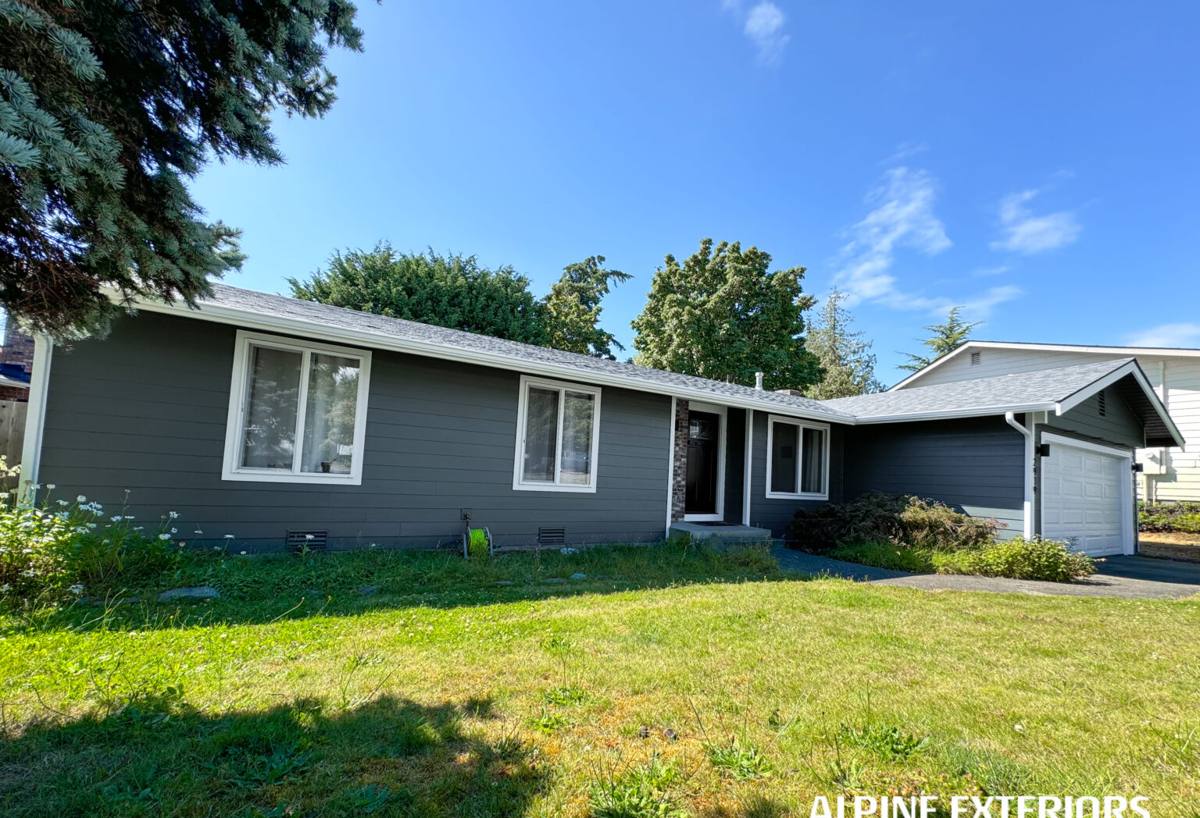
Common Siding Problems We See in St. Pete Beach Homes
Salt and Corrosion Damage
Airborne salt settles on siding surfaces and works into any gap, scratch, or exposed fastener. Over time it corrodes metal trim pieces and fasteners, and it can accelerate the breakdown of caulk and sealant joints faster than inland weathering alone would.
Sun and Heat Damage
Florida's UV load is intense and constant, not seasonal. Paint finishes chalk, fade, and lose adhesion faster under that kind of exposure, and siding materials that aren't engineered for it can crack, warp, or delaminate at the surface over the years.
Wind and Storm Damage
Hurricane-force and tropical-storm-force winds put lateral pressure on siding that isn't part of everyday weather in most of the country. Panels or boards that are under-fastened, poorly lapped, or already weakened by moisture are the ones that crack, lift, or blow off first.
Moisture Intrusion at Seams and Trim
Wind-driven rain finds any gap at a butt joint, corner trim, or window and door casing. Once water gets behind the siding, it can sit against the sheathing and framing long after the storm has passed, which is often the real damage — not the visible crack that got the homeowner's attention in the first place.
Signs Your Siding Needs Repair
Most siding problems show themselves in small ways well before they become expensive ones. On St. Pete Beach homes, watch for:
- Visible cracks, splits, or warping in boards or panels
- Soft or spongy spots when you press on the siding, which usually means moisture has gotten behind it
- Paint that's bubbling, peeling, or chalking heavily in patches
- Gaps opening up at seams, corners, or where siding meets trim, windows, or doors
- Visible rust streaks or corrosion around fasteners and metal trim
- Panels that feel loose or rattle in wind, which can mean fasteners have failed
- Discoloration or staining that keeps returning even after cleaning, often a sign of trapped moisture
Any one of these on its own might be minor. Several showing up together, especially after a windy or rainy stretch, is a good reason to get a repair inspection before the next storm season.
What a Correct Siding Repair Actually Involves
A repair that just covers the visible damage often isn't a repair at all — it's a temporary patch. Done right, a siding repair on a coastal home should include:
- Diagnosis past the symptom. A cracked board or a stained wall is usually a sign of something happening behind the siding. We check the sheathing, house wrap or moisture barrier, and framing in the affected area before deciding what needs to be replaced.
- Matching the material and profile. Repairs should match the existing siding's exposure, thickness, and finish as closely as possible so the patch doesn't stand out or create an uneven weather line.
- Correct fastening for wind exposure. Fastener type, spacing, and placement matter more here than in calmer inland climates — under-fastened repairs are exactly what fails first in the next round of hurricane-force wind.
- Proper flashing and sealing at joints. Seams, corners, and trim transitions get flashed and sealed to shed wind-driven rain, not just caulked over as an afterthought.
- Finish work that holds up to UV and salt. Paint or caulk used in the repair needs to be rated for constant sun and coastal humidity, or it'll be the next thing to fail.
Repair or Replace? How We Make That Call
Not every damaged section needs full replacement, and not every home is a good candidate for a simple patch. The honest answer depends on a few factors:
| Factor | Repair Usually Makes Sense | Replacement Usually Makes Sense |
|---|---|---|
| Extent of damage | Isolated to one or two sections | Spread across multiple walls or elevations |
| Underlying moisture | None found behind the siding | Rot or water damage found in sheathing/framing |
| Age of existing siding | Siding is mid-life and otherwise sound | Siding is near or past its expected service life |
| Material condition | Rest of the siding is stable, just localized damage | Widespread cracking, warping, or fading elsewhere |
| Color/finish match | Original finish can be reasonably matched | Finish has faded too much for a patch to blend |
We'll always tell you honestly which category your home falls into rather than defaulting to the more expensive option. Plenty of St. Pete Beach homes genuinely just need a targeted repair.
Why the Material Behind the Repair Matters
What a home is currently sided with affects how well it can even be repaired. Vinyl siding can crack or become brittle under years of intense UV exposure, and older or sun-faded panels are hard to color-match when you're only replacing a section. Wood and cedar siding look great when new, but on a barrier island they demand a maintenance schedule — repainting, resealing, checking for rot — that most homeowners underestimate until the damage is already done. Engineered wood products can perform well but are sensitive to how well the factory finish and edge-sealing were maintained; once moisture gets past a compromised edge, deterioration can move quickly in a humid coastal environment.
This is why, when a repair turns into a section or full re-side rather than a patch, we install James Hardie fiber cement siding. It's non-combustible, engineered in HZ product lines specifically for high-wind, high-moisture climates like Florida's Gulf Coast, and finished with a factory-applied ColorPlus finish that's baked on rather than field-painted — which matters when UV and salt air are working against the finish every single day. It also carries a strong transferable warranty, which is worth something on a coastal property where every material is under more stress than average. We don't install every siding product on the market; James Hardie is what we've standardized on because we've seen how it holds up here.
Our Siding Repair Process for St. Pete Beach Homeowners
- On-site inspection. We look at the damaged area and check behind it, plus a quick look at the rest of the siding so nothing gets missed.
- Straightforward scope and estimate. You get a clear explanation of what's actually wrong, what needs to happen to fix it correctly, and what it will cost — no surprise add-ons once work has started.
- The repair itself. Matching material, correct fastening for wind exposure, proper flashing and sealing at every seam we touch.
- Cleanup and walkthrough. We clear debris and walk the repair with you before calling the job done.
Why a Crew That Already Works St. Pete Beach Matters
A crew that regularly works barrier island properties in Pinellas County already knows the wind exposure categories, the way salt air behaves differently a block from the water versus a mile inland, and what kind of fastening and sealing actually holds up here versus what looks fine on day one and fails in the first named storm. That's different knowledge than a general contractor who mostly works inland St. Petersburg neighborhoods and treats a beach property the same as any other job. It also means faster response after a storm, when demand for repair work spikes and homeowners who already have a local relationship tend to get looked after first.
Caring for Your Siding After the Repair
A good repair still needs a little upkeep to get its full life out of it in this climate:
- Rinse salt residue off the siding periodically, especially after long dry stretches with onshore wind
- Do a visual check of caulking and seams once or twice a year, and after any major storm
- Keep an eye on areas that get the most direct afternoon sun for early signs of fading or chalking
- Trim back vegetation that traps moisture against the wall
If you're noticing damage, staining, or loose sections on your St. Pete Beach home, we're happy to take a look and give you a straight answer on what it needs. Reach out for a free, no-pressure estimate using the form below.