 St. Petersburg Roofing
 Window Installation Built for Roser Park's Older Housing Stock
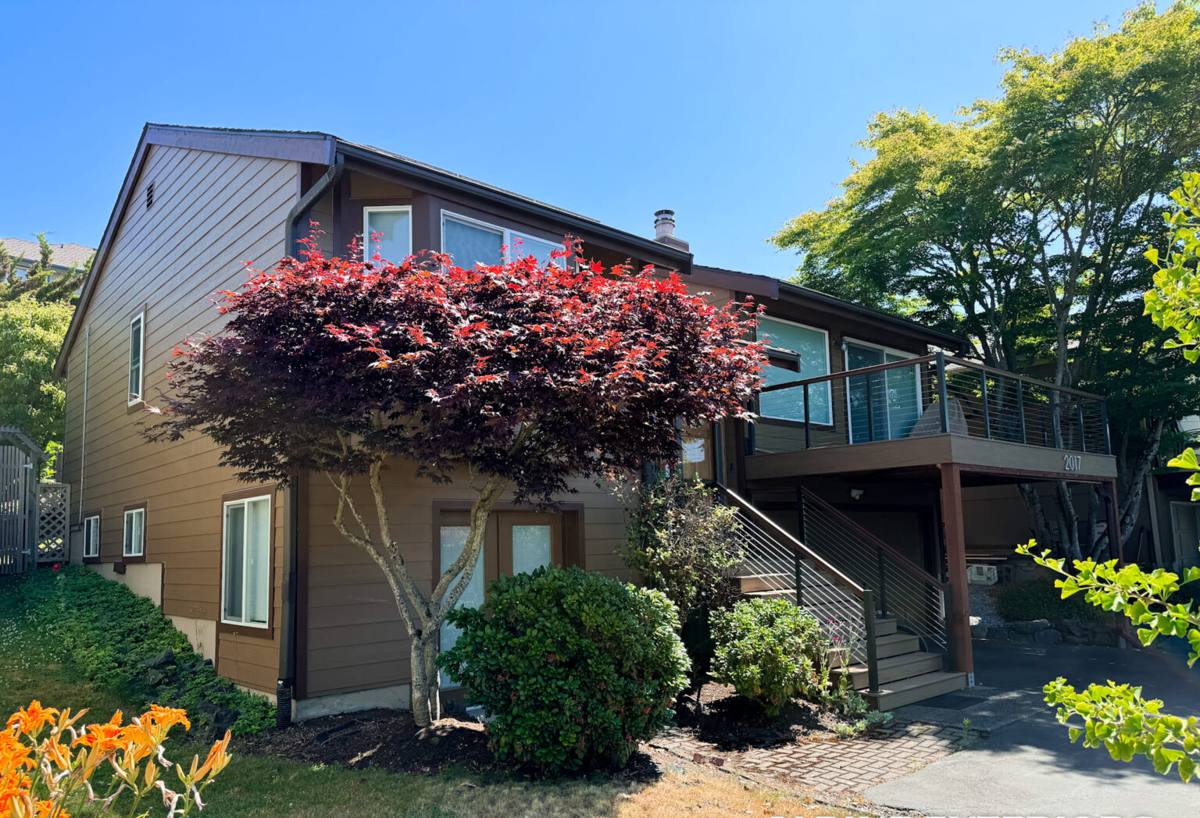
Roser Park is one of St. Petersburg's historic neighborhoods, and that history shows up in the windows. A lot of homes here were built long before modern hurricane codes existed, and many still carry their original window openings even if the sashes themselves have been replaced once or twice over the decades. That combination — older framing, settled openings, and a housing stock that predates current Florida Building Code wind requirements — means window installation in Roser Park is rarely a simple swap-and-go job. It usually starts with figuring out what the wall and rough opening are actually doing before a new window ever gets set.
We work on homes throughout St. Petersburg and Pinellas County, but a neighborhood like Roser Park has its own quirks: older wood-frame construction, some masonry homes with block openings that have shifted slightly over the years, and a mix of past renovations that weren't always done to today's standards. Getting a straight, square, properly flashed opening on a house like this takes more field judgment than a new-construction install does.
What the Local Climate Does to Windows
St. Petersburg sits on a peninsula in Pinellas County, and the climate here is hard on building materials in ways that inland homes never have to deal with. Four things matter most for windows specifically:
- Hurricane-force wind: Even homes outside the immediate storm path see repeated high-wind events every season. Windows and their anchoring have to hold up to sustained pressure and windborne debris impact, not just occasional gusts.
- Intense year-round UV: Florida's sun exposure is far higher than most of the country's, nearly every day of the year. UV breaks down vinyl, degrades seals, and fades interior finishes faster than manufacturers' national warranty language usually anticipates.
- Wind-driven rain: Storms here don't just drop rain straight down — wind pushes water sideways and upward into gaps that would never leak in a calmer climate. A window that's watertight in a light rain can still leak badly in a wind-driven storm if the flashing detail is wrong.
- Salt air: Being close to Tampa Bay and the Gulf means airborne salt corrodes hardware, fasteners, and frame components faster than in drier, inland regions. Hinges, cranks, and screws that would last decades elsewhere can start failing in a fraction of that time here.
None of these factors act alone — they compound. A window with a marginal seal might survive UV degradation for years in a mild climate, but combine that same seal with salt-laden wind-driven rain and it fails much sooner. That's the reality every window installed in this part of St. Petersburg has to be ready for.
What a Correct Installation Actually Involves
Setting a window that looks fine on day one and a window that performs correctly for the next fifteen-plus years are two different jobs. The visible sash and frame are only part of it — most of what determines long-term performance is hidden once the trim goes back on.
Opening Preparation
Before a new window goes in, the existing opening has to be checked for square, level, and soundness. In older Roser Park homes, this step often turns up settled framing, old caulk that's failed, or wood that needs attention before a new unit can seat correctly. Skipping this step is one of the most common reasons a "new" window still leaks or performs poorly.
Flashing and Water Management
Flashing is the layered system that directs any water that gets past the window itself back out of the wall instead of into it. In a climate with regular wind-driven rain, flashing isn't optional trim work — it's the primary defense against hidden water intrusion, which is far more expensive to fix once it's caused rot or mold behind the wall than it would have been to flash correctly at install.
Fastening and Anchoring
Florida Building Code specifies fastening schedules based on wind zone, window size, and the wall substrate the window is anchoring into. This isn't a place to eyeball it — using the wrong fastener type, spacing, or embedment depth is exactly what turns a "hurricane-rated" window into one that fails at its rated pressure.
Sealing
The sealant used around the frame has to handle UV exposure, movement, and moisture without drying out or cracking prematurely. Low-quality caulk might look identical to the right product on installation day and then fail within a year or two under Florida sun.
Impact-Rated vs. Standard Windows for This Area
Homeowners in Roser Park generally have a real choice to make between impact-rated windows and standard (non-impact) windows paired with separate protection like shutters. Here's how they compare for this specific climate:
| Factor | Impact-Rated Windows | Standard Windows + Shutters |
|---|---|---|
| Storm protection | Built into the glass and frame; always in place | Requires deploying shutters before every storm |
| Daily UV/noise performance | Laminated glass also cuts UV transmission and outside noise | No added benefit until shutters are closed |
| Upfront cost | Higher per opening | Lower window cost, but shutters add their own expense |
| Insurance considerations | Often qualifies for wind mitigation credits | May qualify depending on shutter type and rating |
| Maintenance | Minimal; no separate hardware to store or operate | Shutters need storage, tracks maintained, and someone home to install them |
| Historic-appearance fit | Available in profiles that match older window sightlines | Original sash appearance preserved; shutters visible only when deployed |
There's no universally "right" answer here — it depends on budget, how the home is used, and whether shutters are realistic to deploy every time a storm is forecast. What matters is that whichever route a homeowner picks, the product is genuinely rated for Pinellas County's wind zone and installed to the fastening schedule that rating assumes.
Signs Your Current Windows Are Overdue for Replacement
Because salt air, UV, and storm cycles work on windows continuously, failure here often shows up gradually rather than all at once. Common warning signs we see on homes in this area include:
- Fogging or condensation between panes on double-glazed units — a sign the seal has failed
- Difficulty opening, closing, or locking that didn't used to be there
- Visible corrosion or pitting on hinges, cranks, or locking hardware
- Soft or discolored trim or drywall near the window, which can point to water getting behind the frame
- Noticeable air movement or drafts around the sash when it's closed
- Fading carpet, flooring, or furniture near south- or west-facing windows from UV transmission
- Visible daylight gaps between the sash and frame
Any one of these on its own might just mean a repair. Several of them together, especially on windows original to an older Roser Park home, usually mean replacement is the more cost-effective path.
What Drives Cost on a Roser Park Job
Every home is different, but the same handful of factors usually explain most of the price spread between jobs of similar size:
| Factor | Why It Matters |
|---|---|
| Window count and size | More openings and larger glass area mean more material and labor |
| Impact rating | Impact glass and reinforced frames cost more than standard units |
| Opening condition | Rot, out-of-square framing, or old damaged sills add prep work |
| Frame material | Vinyl, aluminum, and wood-clad options carry different price points and maintenance needs |
| Access and height | Second-story or hard-to-reach openings take longer to work safely |
| Historic considerations | Matching original sightlines or profiles can require special-order units |
We give straightforward, itemized estimates so a homeowner can see exactly where the money is going rather than a single lump number.
How Our Process Works
- On-site assessment: We look at every opening individually — framing condition, current window performance, and any water intrusion history — rather than quoting from a photo or a phone call alone.
- Product selection: We walk through impact vs. non-impact options, frame materials, and how each holds up specifically in a coastal Pinellas County environment.
- Written estimate: Itemized by opening, so there are no surprises about what's driving the total.
- Permitting: Window replacement in St. Petersburg generally requires a permit, and impact-rated products need to meet current wind-load requirements for the area — we handle that paperwork rather than leaving it to the homeowner.
- Removal and opening prep: Old units come out carefully, especially on older homes where the surrounding trim or siding may need protecting.
- Flashing and installation: Water management goes in before the window, and the window is anchored per the fastening schedule its rating requires.
- Sealing and finish work: Interior and exterior trim, caulking, and cleanup.
- Final walkthrough: We test operation on every window before we consider the job done, not just a visual check.
Why It Matters to Hire a Crew That Already Works This Neighborhood
Roser Park's mix of historic homes and varied past renovations means there's real value in a crew that has already seen the kinds of openings, framing, and prior repair work common to this part of St. Petersburg. A crew unfamiliar with the neighborhood might quote a job assuming a standard modern rough opening, only to find hidden issues once the old window comes out — leading to change orders and delays. Local experience also means familiarity with St. Petersburg's permitting process and Pinellas County's wind-zone requirements, so the paperwork side moves without back-and-forth.
It also matters for accountability. A contractor who works in Roser Park regularly has a reputation to maintain in that specific community, not just a general service area — that's a real incentive to do the flashing and fastening correctly the first time, since a callback for a leak isn't just a lost afternoon, it's a conversation with a neighbor who talks to other neighbors.
Get a Free, No-Pressure Estimate
If your windows in Roser Park are original to the home, showing signs of wear, or you're simply ready to move to impact-rated protection, we're happy to come take a look. There's no obligation and no pressure — just an honest assessment of what your home actually needs. Use the form below to request your free estimate.