 St. Petersburg Roofing
 Window Replacement in a Neighborhood Like Old Southeast Isn't a Standard Job
Old Southeast is one of St. Petersburg's older, established neighborhoods — mature tree canopy, narrow lots, and a mix of early-to-mid-20th-century bungalows, Mediterranean Revival cottages, and frame vernacular homes. A lot of the original window openings in these houses were sized and trimmed for a different era of glass and framing, and many still carry their original single-pane wood sash or early aluminum replacements from decades ago. Swapping those out isn't the same as replacing windows in a 2005-built subdivision home with standard nominal openings. The openings are often slightly out of square after decades of settling, the exterior trim and stucco or siding detail is part of the home's character, and the wrong window can quietly change how the whole house reads from the street.
We treat window replacement in Old Southeast as a job with two goals running at the same time: bring the home up to current wind, water, and energy performance, and do it in a way that respects the proportions and detailing that make these older St. Petersburg homes worth keeping in the first place.
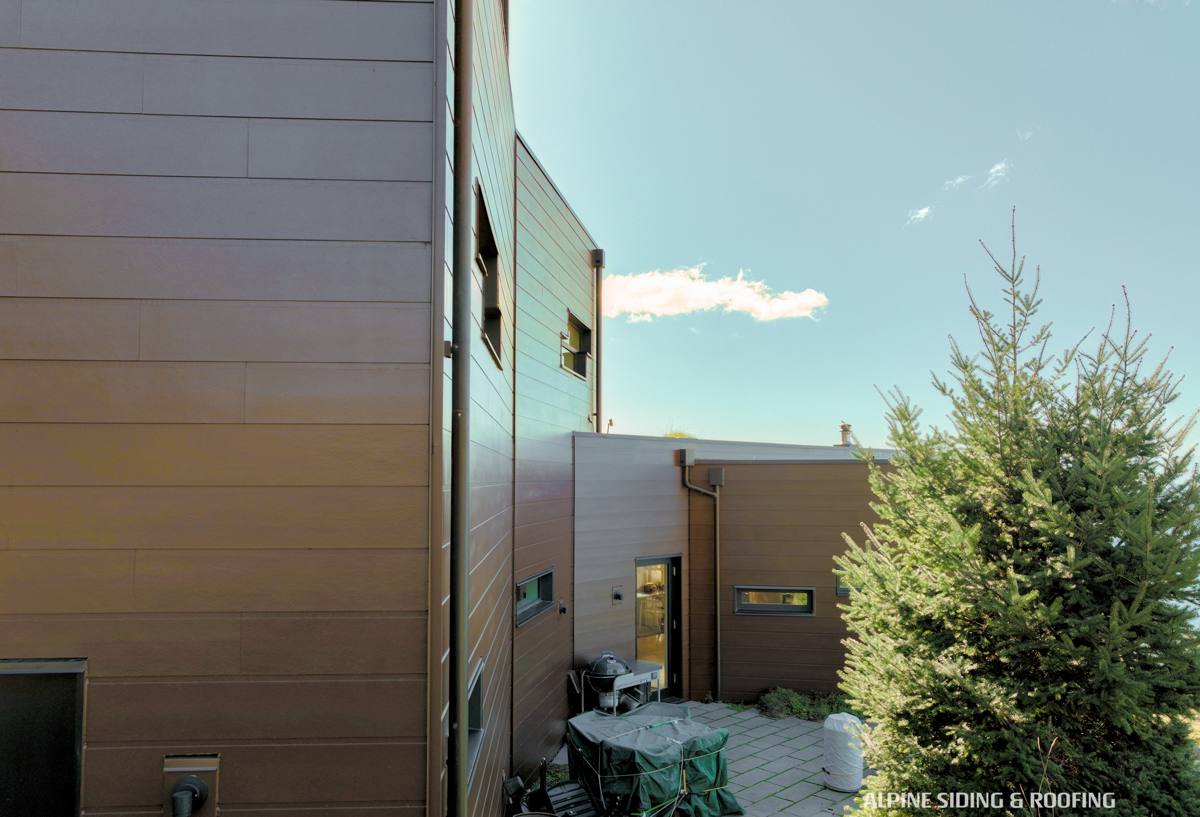
What Pinellas County's Climate Actually Does to Older Windows
Florida's Gulf Coast climate is hard on building envelopes, and windows take the brunt of it. In a coastal, historic neighborhood like Old Southeast, we consistently see the same failure patterns:
Hurricane and Tropical Storm Wind Loads
St. Petersburg sits in a wind-borne debris region under the Florida Building Code, which means replacement windows in most of Pinellas County need to either be impact-rated or paired with an approved opening-protection system. Older single-pane and even early double-pane windows were never engineered for today's wind pressure and debris-impact standards, and that's usually the single biggest performance gap we find in a pre-storm inspection.
Wind-Driven Rain
It's not just the wind — it's the rain coming in sideways during a tropical system or a strong summer thunderstorm. Old frames and worn weatherstripping let water track in around the sash and down into the wall cavity, which shows up later as soft trim, stained drywall, or a musty smell that never fully goes away.
Year-Round UV Exposure
St. Petersburg gets intense, near-constant sun exposure. UV breaks down old glazing putty, dries out wood sash joints, fades interior finishes and furniture, and degrades the seals in any older insulated glass unit until they fog or lose their gas fill.
Salt Air Corrosion
Old Southeast is close enough to Tampa Bay that salt-laden air is a constant, low-grade attack on anything metal — aluminum frames pit and chalk, steel fasteners and hardware rust, and older window balances and locks seize up well before the glass itself fails.
Individually, none of these are dramatic. Together, over 40, 60, or 80 years, they're exactly why so many original windows in this neighborhood are still functional in the sense that they open and close, but no longer performing the job a window is actually supposed to do.
Keeping the Historic Character While Upgrading Performance
The most common concern we hear from Old Southeast homeowners isn't about cost or timeline — it's "will my house still look like my house afterward." That's a fair question, and it drives most of the decisions in a historic window replacement.
Matching Sightlines and Proportions
Original wood windows in homes of this era typically have narrower sash rails and stiles than a lot of modern stock replacement windows. We pay attention to matching the visible sightlines, the muntin pattern (true divided light, simulated divided light, or none, depending on the home), and the overall proportion of glass to frame, rather than dropping in whatever's fastest to order.
Working Within Historic District Guidelines
If a home is located within a designated local historic district or is individually listed, exterior changes — including window replacement — may need to go through the City of St. Petersburg's historic preservation review process before work begins. We'll help homeowners figure out whether their specific property falls under that requirement and, if it does, select a window that satisfies both the historic guidelines and current wind and energy codes. Skipping this step is one of the most common (and most expensive to fix) mistakes homeowners make when they hire a crew unfamiliar with the area.
Frame Material Choices That Still Read as "Historic"
Vinyl, fiberglass, aluminum-clad wood, and all-wood windows can all be built to closely match a historic profile today — the difference is in maintenance, longevity in salt air, and upfront cost. We walk through those trade-offs honestly rather than pushing one material for every house.
| Frame Material | Salt Air / Corrosion Resistance | Maintenance | Fit for Historic Look |
|---|---|---|---|
| Vinyl | Very good — doesn't corrode | Low | Good in simple profiles; limited in fine historic detail |
| Fiberglass | Excellent | Low | Very good — holds crisp, narrow sightlines well |
| Aluminum (properly coated) | Fair — needs quality finish and hardware | Moderate | Good for mid-century and Mediterranean Revival styles |
| Wood / aluminum-clad wood | Fair to good depending on cladding and upkeep | Higher | Best match for original wood sash detailing |
What a Correct Window Replacement Job Actually Involves
The window itself only matters as much as the installation around it. A high-end impact window installed poorly will leak, and a mid-range window installed correctly will outperform it. In an older Old Southeast home, correct installation also means dealing honestly with what's usually hiding in the wall around a decades-old opening — dried-out framing, old caulk failures, or wood that needs sistering or partial replacement before a new window goes in.
What We Check and Do on Every Window Job
- Inspect the rough opening for rot, insect damage, and out-of-square conditions before ordering
- Confirm the correct wind load and impact rating required for the home's exposure and location
- Remove old units carefully to protect original trim, stucco, or siding wherever it's being kept
- Install a proper sill pan and flashing sequence so any incidental water sheds outward, not into the wall
- Use manufacturer-specified fasteners and anchoring for the actual wind load, not generic screws
- Seal and insulate the perimeter gap correctly — not just a bead of caulk over a gap
- Verify smooth operation, locking hardware, and weep holes before calling the job finished
- Pull the required local permit and get the work inspected and signed off
That last point matters more in Florida than almost anywhere else. Permitted, inspected window work is documented, which protects a homeowner at resale and, in many cases, is required for insurance credits tied to wind mitigation.
Choosing the Right Glass and Protection Approach
Impact-rated glass is the most common way homeowners in this part of St. Petersburg meet current wind-borne debris requirements, but it's not the only approved path, and the right call depends on the home and the budget.
Impact-Rated Windows
Laminated glass bonded to a wind-rated frame, tested to resist debris impact and the pressure cycling of a storm. No shutters to install before a storm, better year-round noise reduction, and typically a meaningful boost in UV blocking through the laminate layer.
Standard Windows with Approved Opening Protection
Traditional glass paired with code-approved shutters or panels installed before a storm. Lower upfront window cost, but it requires the homeowner to physically deploy protection every time a storm threatens, and it does nothing for daily UV or noise exposure the rest of the year.
Low-E Coatings and UV Control
Given how much direct sun this area gets nearly year-round, we recommend a Low-E coated glass package on almost every job regardless of impact rating — it meaningfully cuts interior fading and cooling costs without changing the window's appearance from the street.
Cost Factors Homeowners Should Understand Upfront
We don't post fixed prices because every historic opening is a little different, but the factors that move the number are consistent from job to job:
| Factor | Why It Affects Cost |
|---|---|
| Impact rating vs. standard glass with shutters | Impact glass carries a higher unit cost but removes ongoing shutter labor and storage |
| Frame material | Wood and aluminum-clad wood cost more than vinyl or standard fiberglass |
| Opening condition | Rot repair, resizing, or squaring an old opening adds labor beyond the window itself |
| Custom sizing or historic profile matching | Non-standard sizes and true divided-light patterns cost more than off-the-shelf units |
| Number of openings done at once | Doing a full house at once typically lowers the per-window cost versus one-off replacements |
Our Process, Start to Finish
- On-site assessment: We inspect existing windows and openings, note any historic district considerations, and talk through what the home actually needs versus what's optional.
- Written estimate and product selection: A clear scope, glass and frame options, and honest trade-offs — no pressure to upsize the job.
- Permitting: We handle the permit application and any required historic review paperwork with the City of St. Petersburg or Pinellas County before work starts.
- Installation: Careful removal, opening prep, correct flashing and sealing, and proper anchoring for the required wind load.
- Inspection and walkthrough: Final inspection sign-off, then a walkthrough with the homeowner to confirm operation, appearance, and cleanup.
Why It Matters to Hire a Crew That Already Works in Old Southeast
Window replacement in a historic Pinellas County neighborhood involves more moving parts than a standard suburban swap-out: wind load requirements tied to the specific site, a permitting process that isn't identical everywhere in the county, and, on some properties, a historic review step before a permit will even be issued. A crew that regularly works in Old Southeast already knows which of those steps apply, has a feel for how these older homes are actually built behind the wall, and isn't learning the neighborhood's quirks on your project. That translates into fewer surprises mid-job, fewer inspection delays, and a finished result that fits the house instead of fighting it.
If you're weighing whether to repair, restore, or fully replace the windows on an older home in Old Southeast, we're happy to take a look and give you a straight answer — including telling you when repair is the more sensible option. Reach out for a free, no-pressure estimate using the form below.