 St. Petersburg Roofing
 Why Seminole Roofs Wear Differently Than Roofs Inland
Seminole sits in coastal Pinellas County, close enough to the Gulf and Tampa Bay that homes here take on a combination of stresses that inland Florida roofs simply don't see as often. It's not one factor doing the damage — it's four working together, year after year: intense year-round UV exposure, wind-driven rain during summer storms and hurricane season, sustained salt air off the water, and the outright wind load that comes with living in a named-storm corridor. Any one of these will shorten a roof's life. Together, they're why a shingle roof installed with inland assumptions — standard nailing, minimal underlayment, whatever shingle was cheapest that week — tends to fail early here, usually starting with granule loss, lifted tabs, and leaks around penetrations long before the manufacturer's rated lifespan is up.
A roof built correctly for Seminole isn't a different product so much as a different set of decisions at every stage: the underlayment system, the fastening pattern, the flashing details, and the ventilation all get chosen with this specific climate in mind, not a generic national spec sheet.
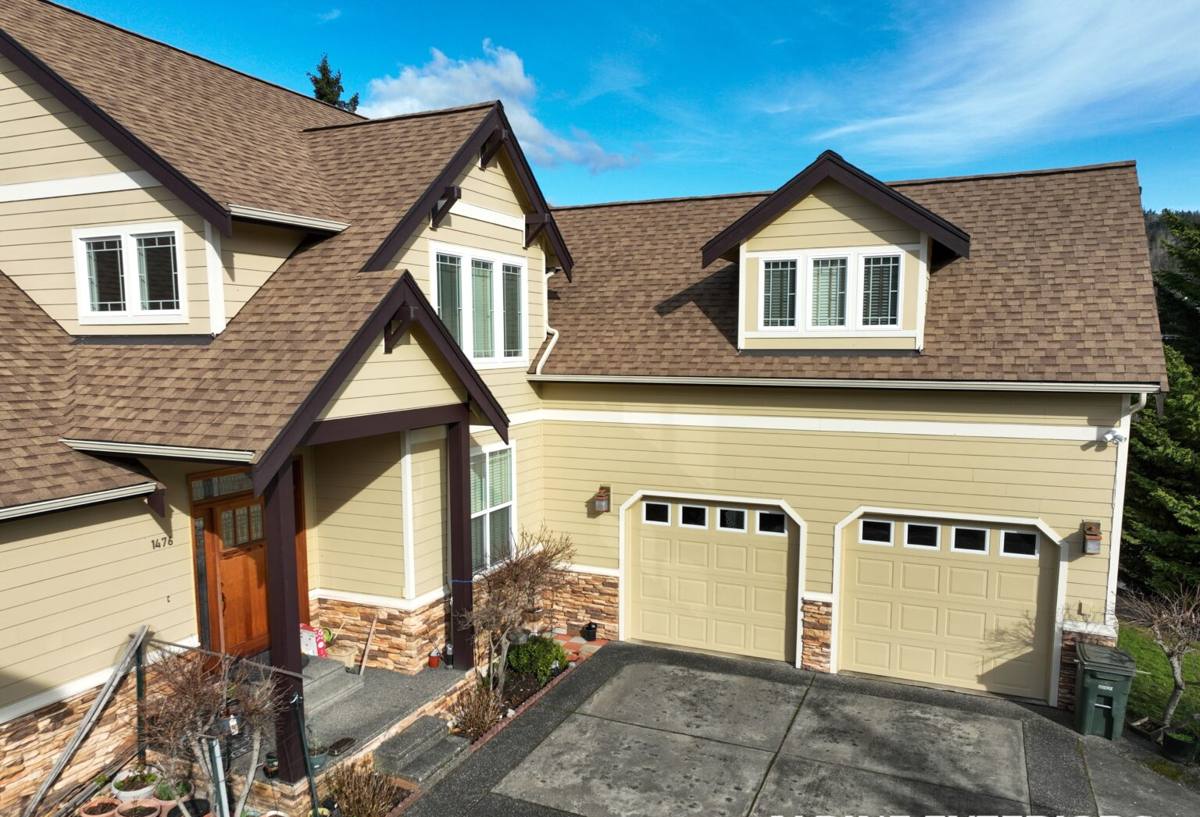
What Seminole's Climate Actually Does to a Shingle Roof
UV and Heat
Florida sun is relentless. Asphalt shingles are petroleum-based products, and constant UV exposure dries out the asphalt over time, making it brittle. Combined with attic heat pushing up from underneath, this accelerates granule loss — the loss of that protective mineral layer is usually the first visible sign a roof is aging faster than it should.
Wind-Driven Rain
Straight-down rain is easy for any roof to shed. Wind-driven rain is not — it gets pushed sideways and even upward under shingle tabs, at ridge caps, and around any roof penetration (vents, chimneys, skylights). This is where underlayment quality and flashing detail work matter more than the shingle itself.
Salt Air
Being close to the Gulf and the bay means airborne salt settles on roofing materials and metal components. Over years, that accelerates corrosion on exposed fasteners, flashing, and vent hoods if the wrong materials are used. It's a slow process, but it's constant, and it's a factor a lot of standard installations don't account for.
Wind Load
Pinellas County isn't in Florida's High-Velocity Hurricane Zone (that designation applies to Miami-Dade and Broward), but it's still governed by the Florida Building Code's wind provisions for coastal counties, and Seminole homes absolutely see hurricane-force gusts during tropical systems. A roof's wind resistance comes down almost entirely to how well it was fastened and sealed at installation — the shingle brand matters less than whether every nail landed in the right spot with the right pattern.
What a Correct Asphalt Shingle Installation Involves Here
A shingle roof is a system, not a single layer. Skipping or shortcutting any part of it is where most premature failures in this area start.
Deck Inspection and Repair
Before anything goes down, the roof deck itself has to be sound. Soft spots, delaminated plywood, or rot from a past slow leak all need to be found and replaced — covering over a compromised deck just hides the problem until it reappears as a leak or, in a storm, as a failure point.
Underlayment and Secondary Water Barrier
This is the layer that protects the deck if wind ever drives water past or under the shingles — and in this climate, it will happen eventually, even on a well-built roof. Synthetic underlayments generally outperform old-style felt in this environment because they hold up better to heat and don't degrade as fast under prolonged UV exposure during construction. Self-adhering membrane at eaves, valleys, and around penetrations adds a secondary barrier exactly where wind-driven rain is most likely to get in.
Fastening Pattern and Wind Rating
Shingles are rated for wind resistance based partly on how they're installed, not just the product itself. Six-nail patterns (versus the minimum four) in the right locations, proper nail depth (not overdriven, not underdriven), and correctly sized fasteners all matter more here than in calmer climates. This is also where corrosion-resistant fasteners earn their keep given the salt air.
Flashing Details
Step flashing at walls, counter-flashing at chimneys, and properly sealed pipe boots are where most leaks actually originate — not the open field of shingles. Flashing that's reused from a prior roof or installed with sealant instead of proper metal work is a common shortcut that shows up as a leak within a year or two.
Ventilation
Balanced intake and exhaust ventilation keeps attic temperatures down, which slows shingle aging from the underside and helps control moisture that can otherwise lead to deck rot or mold in the attic space.
Choosing the Right Shingle for a Seminole Home
Not every asphalt shingle product is built for the same conditions, and the right choice depends on your roof's exposure, your budget, and how long you want to go before your next full replacement.
| Shingle Type | Typical Wind Rating | Expected Lifespan (this climate) | Best Suited For |
|---|---|---|---|
| 3-Tab | Lower end of rated range | Shorter — UV and wind exposure wear these faster | Budget-conscious projects, lower-exposure roof sections |
| Architectural (Laminate) | Mid-to-high, depending on product | Longer than 3-tab, with proper install | Most Seminole homes — better wind and impact performance |
| Class 4 Impact-Rated | High | Longest of the asphalt options | Homes wanting maximum durability and possible insurance credit |
Algae-resistant granules are worth specifying regardless of which tier you choose — Florida's humidity and salt air both encourage the dark streaking that comes from algae growth, and resistant granules slow that down considerably. It won't stop staining forever, but it buys years.
Our Process for a Seminole Shingle Roof Project
- Inspection and estimate: We walk the roof (or use a drone where access is limited), check the deck, flashing, and ventilation, and give you a clear, honest picture of what's actually needed — repair or full replacement.
- Material selection: We go over shingle tiers, wind ratings, and color options based on your home and budget, without pushing you toward the most expensive option by default.
- Permitting: Roofing work in Seminole requires a permit through the appropriate local building authority. We handle that paperwork so you don't have to chase it down.
- Tear-off and deck prep: Full removal of old roofing, deck inspection, and repair of any damaged sheathing before anything new goes on.
- Underlayment and flashing installation: Synthetic underlayment, self-adhering membrane at vulnerable areas, and new flashing at every wall, chimney, and penetration.
- Shingle installation: Installed to the fastening pattern and wind-rating specifications for the product and this region — not the bare minimum.
- Ventilation check: Intake and exhaust venting verified or upgraded as part of the job, not treated as an afterthought.
- Cleanup and final walk-through: Magnetic sweep for nails, full site cleanup, and a walk-through so you can see the finished work and ask questions before we consider the job done.
Repair or Replace? What to Look For
Not every roof issue means a full replacement. But ignoring early signs in this climate tends to turn a manageable repair into a much bigger job. Here's what we look for when we're deciding which one makes sense:
- Granule loss showing up in gutters or downspouts, or bald patches visible on the shingle surface
- Curling, cupping, or cracked shingle tabs, especially on the sides most exposed to sun and wind
- Missing or lifted shingles after a storm, even if there's no visible leak yet
- Soft or spongy spots when walking the roof, which usually indicate deck damage underneath
- Dark streaking across large areas, which is algae growth rather than structural damage but affects both curb appeal and, eventually, shingle life
- Rusted or deteriorating flashing and vent boots, a common weak point in salt-air environments
- Roof age — most asphalt shingle roofs in this climate are worth a serious replacement conversation once they're in their late teens to low twenties in age, depending on the product and how well the original install held up
If your roof has one or two of these issues isolated to a small area, a targeted repair is often the right call. Widespread granule loss, multiple leak points, or a deck with rot in more than one place usually means replacement is the more cost-effective path over the long run.
Maintenance That Actually Extends Roof Life Here
Asphalt shingle roofs in Seminole benefit from a bit more attention than the same roof would need somewhere with a milder climate, mostly because of how fast salt air, humidity, and UV compound small problems.
- Keep gutters and downspouts clear so water isn't backing up under the eaves during heavy rain
- Trim back overhanging branches that hold moisture against the roof surface and drop debris into valleys
- Have the roof looked at after any significant wind event, even if nothing looks obviously wrong from the ground
- Address small leaks or missing shingles quickly — a small, contained repair now is almost always cheaper than the deck damage that follows months of a slow, unnoticed leak
- Check attic ventilation periodically, since blocked or damaged vents quietly shorten shingle life from underneath
Insurance, Wind Mitigation, and Permitting Notes
Florida homeowners' insurance often ties premiums to a wind mitigation inspection, which documents things like roof shape, roof-to-wall connections, and the type of roof covering installed. A roof replacement is a natural point to have that inspection updated, since improvements made during the new install (proper strapping, updated fastening, in some cases impact-rated shingles) can sometimes translate into lower premiums. We're not insurance agents and won't promise specific savings, but we'll make sure the documentation from the job — permits, inspections, and materials used — is in order for you to take to your insurer.
On the permitting side, any full re-roof in Seminole goes through local permitting and inspection, which confirms the work meets Florida Building Code wind provisions for this county. We pull those permits as part of the job and schedule the required inspections, so there's a paper trail if you ever need it for insurance or resale.
Why It Matters That We Already Work in Seminole
A roofing crew that works this specific area regularly knows the local permitting process, has a working relationship with area suppliers so material delays don't stall your project, and understands firsthand how Pinellas County's coastal exposure treats different products over time. That's different from a crew working from a generic checklist. After a storm rolls through, being local also means we can prioritize response for the community we already work in, rather than homeowners waiting behind jobs scheduled across a much wider service area.
We're not going to tell you every roof needs to be replaced, and we're not going to recommend a product or shortcut because it's easier for us. Our standard is a roof system built correctly for the conditions your home actually faces — and being straight with you about what that requires and what it costs.
If you'd like an honest look at your roof's condition, we offer free, no-pressure estimates — use the form below to get started.