 St. Petersburg Roofing
 Building a Deck That Actually Holds Up in Bartlett Park
Bartlett Park sits in one of St. Petersburg's older, established neighborhoods, with a mix of mid-century homes and newer infill construction. A lot of the outdoor living space in this part of Pinellas County was built decades ago, before today's wind-load codes and before anyone was thinking hard about how Florida sun and salt air chew through untreated wood and cheap fasteners. If you're planning a new deck or replacing one that's seen better days, the goal isn't just something that looks good on day one. It's a structure that's still solid, safe, and code-compliant five, ten, and twenty years from now.
That means the material choice, the fastener hardware, the footing depth, and the way the deck ties into your house all matter more here than they would in a drier, calmer climate. We build decks specifically with St. Petersburg's conditions in mind, not a generic spec sheet pulled from a national supplier catalog.
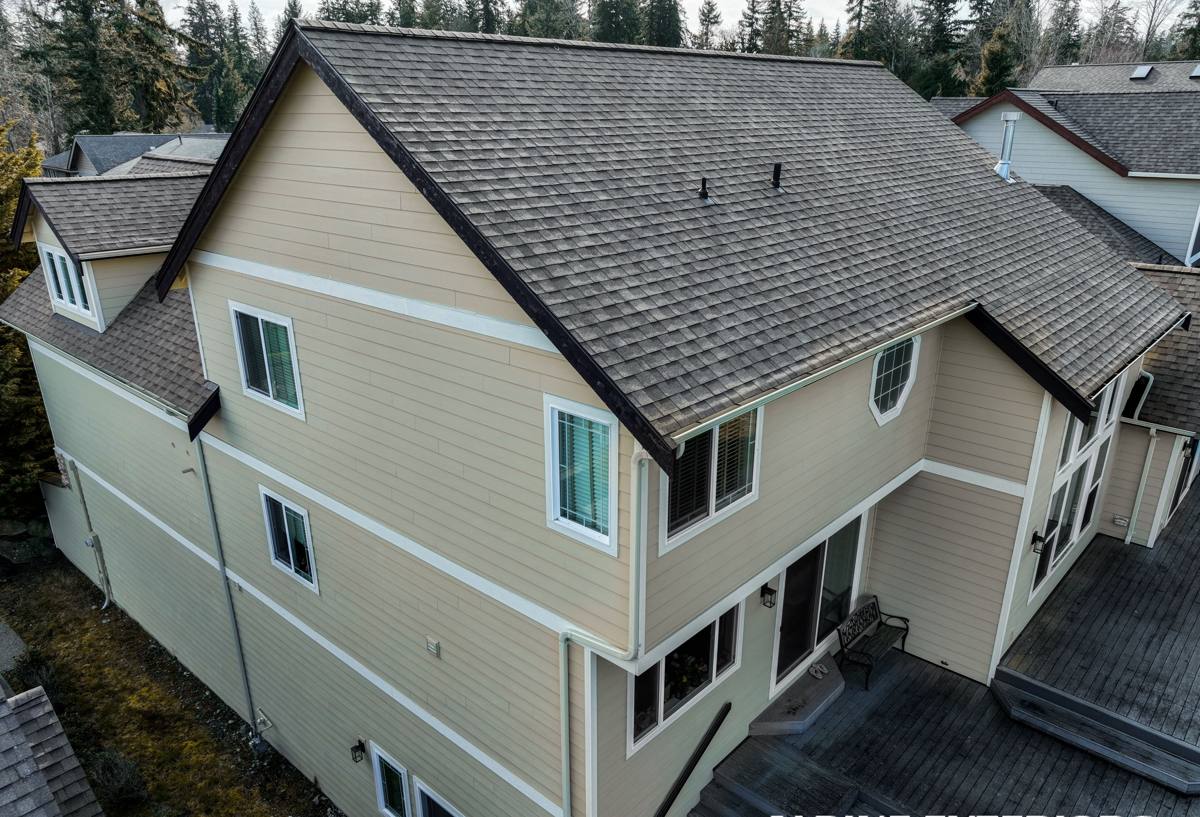
What Pinellas County's Climate Actually Does to a Deck
A deck in Bartlett Park is dealing with a combination of stresses most inland markets never see. Understanding these is the first step to building something that lasts.
Hurricane-Force Wind
St. Petersburg sits on a peninsula exposed to tropical systems every season. Decks, especially elevated ones or those attached to the house with a ledger board, take real wind loading during storms. A poorly attached ledger board or under-spec'd post connection is one of the more common failure points we see on older decks in this area, and it's almost always invisible until the structure is under load.
Intense, Year-Round UV
Florida sun is stronger and more consistent than most of the country gets, and it doesn't ease off in winter the way it does further north. UV breaks down the lignin in wood fibers, causes graying and surface checking, and degrades certain sealants and composite capstocks faster than their warranty literature assumes if the product wasn't rated for this kind of exposure.
Wind-Driven Rain
It's not just how much rain St. Petersburg gets, it's how it arrives. Storms here often drive rain sideways under railings, into fastener holes, and behind ledger boards where standing water and hidden rot get started. A deck built without proper flashing and drainage detailing will trap moisture in exactly the places you can't see until there's a problem.
Salt Air
Bartlett Park isn't right on the water, but St. Petersburg as a whole sits close enough to Tampa Bay and the Gulf that salt-laden air is a real factor citywide. Salt air accelerates corrosion in standard steel fasteners, brackets, and hardware. Over a few years, corroding hardware can weaken connections long before the visible wood or decking shows its age.
Choosing a Decking Material That Fits This Climate
There's no single "best" decking material for every home. The right choice depends on budget, how much maintenance you want to do, and how the deck will be used. Here's how the common options actually perform under Pinellas County conditions.
| Material | UV & Sun Performance | Moisture & Rain Handling | Maintenance | Typical Lifespan Here |
|---|---|---|---|---|
| Pressure-treated pine | Grays and checks without regular sealing | Good if sealed; poor if neglected | Annual cleaning/sealing recommended | 10-15 years with upkeep |
| Composite decking | Fade-resistant capstock, holds color well | Doesn't rot, but framing beneath still needs protection | Low; occasional washing | 25+ years |
| Tropical hardwood (e.g., ipe) | Very UV-stable, naturally dense | Excellent natural moisture resistance | Periodic oiling for color retention | 25-30+ years |
| PVC decking | Excellent, does not absorb moisture | Fully moisture-impervious | Very low | 25+ years |
Whatever surface material you choose, the framing underneath matters just as much. We use pressure-treated structural lumber rated for ground contact where applicable, and we pay close attention to fastener compatibility, since some treated lumber chemicals corrode standard steel much faster and require coated or stainless hardware to avoid premature failure.
What a Correctly Built Deck Actually Involves
A deck that looks finished on the surface can still be built wrong underneath. Here's what we treat as non-negotiable on every Bartlett Park project.
Footings and Posts
Footing depth and sizing need to match Pinellas County soil conditions and local code, not a generic rule of thumb. Undersized or shallow footings are one of the most common causes of a deck that starts to shift, rack, or feel spongy within a few years.
Ledger Board Attachment
When a deck attaches to the house, the ledger board connection has to be properly flashed and lag-bolted or through-bolted into structural framing, not just the siding or sheathing. This is the connection that carries a huge share of the structural load, and it's also the spot most prone to hidden water intrusion if flashing is skipped or done poorly.
Joist Hangers and Hardware
Given the salt air in this part of the county, we use corrosion-resistant, code-rated hardware throughout, not standard interior-grade fasteners that will start rusting within a couple of seasons.
Railings and Guards
Any elevated deck needs railings that meet current code height and baluster spacing requirements. This isn't optional, and it's one of the first things a building inspector checks.
Drainage and Grading
Water needs a place to go, both off the deck surface and away from the footings below. Poor grading around a deck's support posts leads to standing water, wood rot, and soil erosion around footings over time.
Permits and Wind Load Requirements in St. Petersburg
Most deck construction in the City of St. Petersburg and unincorporated Pinellas County requires a building permit, particularly for elevated structures or anything attached to the home. Permitted work gets inspected at key stages, which is exactly the kind of accountability that catches framing or connection mistakes before they're buried under decking boards. We pull the required permits and build to the wind-load and structural requirements that apply to this area, rather than treating code compliance as an afterthought.
Our Process, Start to Finish
- On-site assessment: We walk the property, look at grade, sun and drainage patterns, and talk through how you actually plan to use the space.
- Design and material selection: We go over decking material options, layout, and railing choices based on your budget and maintenance preferences.
- Written estimate: A clear, itemized quote so you know what you're paying for, with no vague allowances.
- Permitting: We handle the permit application and coordinate required inspections with the local building department.
- Demolition (if replacing an existing deck): Old structure removed and hauled off, footings inspected or replaced as needed.
- Framing and structural work: Footings, posts, beams, joists, and ledger attachment, all built to code and inspected before decking goes down.
- Decking, railings, and finish work: Surface material installed, railings set to code, edges and trim finished.
- Final walkthrough: We review the completed deck with you before calling the job done.
Keeping Your Deck in Good Shape After Installation
Even the best-built deck needs some ongoing attention in this climate. A little regular maintenance goes a long way toward protecting the investment.
- Rinse off salt residue, pollen, and debris every few weeks, especially after storms
- Check railings and stair connections annually for looseness or corrosion
- Reseal or restain wood decking on the manufacturer's recommended schedule, typically every 1-2 years for pine, longer for hardwoods
- Inspect the ledger board flashing area for signs of water staining or soft wood
- Keep gutters and downspouts near the deck clear so water isn't dumping directly onto footings
- Trim back vegetation that traps moisture against the structure
- Look underneath the deck once or twice a year for rust on hardware or signs of pest activity
Why a Crew That Already Works Bartlett Park Matters
Building a deck in a coastal, hurricane-exposed county isn't the same job as building one somewhere with a mild, dry climate. A contractor who works Pinellas County regularly already knows the local permitting process, the inspectors' expectations, and which materials and hardware hold up against St. Petersburg's combination of sun, salt, and storm exposure. That familiarity shows up in fewer surprises during the permitting process and a structure that's built for the conditions it will actually face, not a best guess based on a national average climate.
We've built and repaired decks across this part of the county, and we bring that same standard to every Bartlett Park project, whether it's a full replacement or a new deck built from the ground up.
Get a Free, No-Pressure Estimate
If you're weighing options for a new deck or need an honest look at an aging one, we're happy to come take a look. There's no pressure and no obligation, just a straightforward assessment and a clear estimate so you can decide what makes sense for your home. Use the form below to get started.