 St. Petersburg Roofing
 Storm Damage Roof Repair for Bartlett Park Homes
Bartlett Park sits in one of St. Petersburg's older, established residential pockets, with a mix of home ages and roof types packed into tight, tree-lined streets. When a storm rolls through Pinellas County, that mix matters. A 1960s shingle roof on a slab home doesn't shed wind and water the same way a re-roofed 2015 house next door does, and a crew that treats every storm call the same way will miss things. Storm damage repair here isn't just patching what's obviously torn up — it's understanding what this specific neighborhood's housing stock tends to do under wind load, driving rain, and the salt-laden air that comes off Tampa Bay.
This page covers what storm damage actually looks like on a Bartlett Park roof, what a repair should include to hold up through the next system, and how we approach the work from first call to final walk-through.
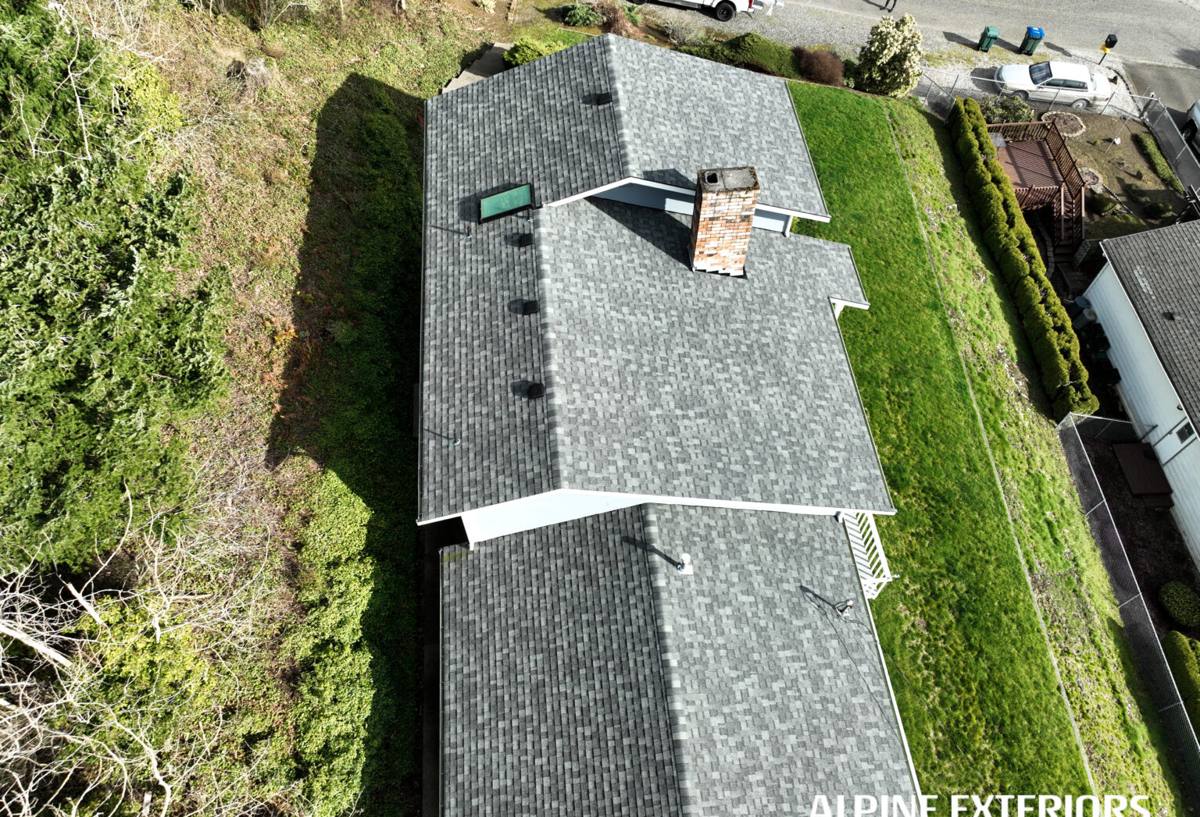
Why Bartlett Park Roofs Take a Different Kind of Beating
St. Petersburg sits in a hurricane-exposed part of the Gulf Coast, and Pinellas County's peninsula geography means wind and moisture come at roofs from more directions over a storm season than they would further inland. A few things specific to this climate matter more than homeowners usually expect:
Hurricane and Tropical Storm Wind
Sustained tropical-storm or hurricane-force wind doesn't just rip off loose material — it gets underneath shingles and tile that are otherwise in decent shape, breaking the seal or the fasteners even when nothing looks obviously wrong from the ground. Wind uplift damage is often invisible until the next hard rain finds the gap.
Wind-Driven Rain
Rain that comes in sideways at 40-60+ mph doesn't behave like normal rainfall. It gets forced up under shingle tabs, through ridge and hip caps, and into any flashing gap around chimneys, pipe boots, or wall-to-roof transitions. A roof can pass a casual visual check and still be actively leaking during and after a wind-driven storm.
Intense, Year-Round UV
Florida sun is hard on roofing materials every single day, not just during storm season. UV exposure dries out asphalt shingles, breaks down sealants, and makes underlayment brittle over time. A roof that's already UV-stressed has less flexibility to absorb storm impact — it cracks and tears where a newer, more pliable roof might just flex and hold.
Salt Air
Being close to the coast means metal fasteners, flashing, and vents corrode faster than they would inland. Corroded fasteners lose their grip strength, which is exactly what gives way first when high wind puts uplift pressure on a roof deck.
None of these factors act alone. A roof in this part of St. Petersburg is dealing with UV breakdown and salt corrosion continuously, then gets hit with wind and rain on top of that already-weakened base. That's why storm damage here often shows up as multiple smaller failures rather than one dramatic one.
What Storm Damage Actually Looks Like
Homeowners often expect storm damage to be obvious — missing shingles, a visible hole, a tree limb through the roof. Sometimes it is. More often, it's subtler and easy to miss from the ground:
- Shingles that are lifted, curled, or creased but not missing — the seal is broken even though the shingle is still there
- Granule loss showing up as grit in gutters or downspouts after a storm
- Soft spots or discoloration on interior ceilings that appear days or weeks after the storm, not immediately
- Bent, lifted, or missing ridge caps and hip caps
- Flashing pulled away from chimneys, skylights, or wall intersections
- Cracked or slipped tiles, on tile roofs, that aren't visible unless you're looking at the right angle
- Debris impact marks — bruising on shingles from wind-blown branches, gravel, or hail
- Gutters pulled loose or downspouts disconnected, which redirects water somewhere the roof and fascia weren't built to handle
This is part of why we recommend a professional inspection after any significant wind or rain event, even if nothing looks wrong from the driveway. The gap between "storm happened" and "leak shows up inside" can be weeks, and by then the underlayment and decking underneath may already be compromised.
What a Correct Storm Repair Involves
A quick patch job on visible damage is tempting because it's fast and cheap, but it often leaves the underlying problem in place. A repair done right addresses three layers, not just the top one:
1. The Roof Covering
Replacing or resealing the shingles, tiles, or metal panels that were actually damaged — matched as closely as possible to the existing roof so the repair doesn't stand out or create a mismatched wear pattern down the road.
2. The Underlayment
If wind-driven rain got past the surface layer, the underlayment beneath it may be wet, torn, or degraded. Skipping this and just replacing the visible shingles over compromised underlayment is one of the most common shortcuts that leads to a repeat leak in the next storm.
3. Flashing and Penetrations
Chimneys, vents, skylights, and wall transitions are the most common places for storm damage to hide. These need to be checked and resealed or replaced as part of the same repair — not treated as a separate issue to deal with later.
We also check decking condition wherever damage exposed it. Wet or soft decking has to be addressed before new roofing material goes back down; covering rotten decking with new shingles just hides a structural problem under a fresh surface.
Our Process, Start to Finish
- Initial contact and scheduling. We get basic details about the storm event and any visible or suspected damage, then schedule an inspection — sooner if there's an active leak.
- On-roof inspection. We check the full roof system, not just the area you called about, since wind damage is rarely confined to one spot.
- Documentation. We photograph and note damage clearly enough to support an insurance claim if you're filing one, including close-up shots of things like lifted seals or damaged flashing that are easy to dispute from a distance.
- Written scope and estimate. You get a clear description of what's damaged, what needs to be repaired, and what it costs — no vague line items.
- Repair work. We do the repair, including underlayment and flashing where needed, matched to your existing roofing material.
- Final walk-through. We confirm the repair with you and make sure any interior damage (ceiling stains, insulation) is on your radar for follow-up if it wasn't part of the roofing scope.
Storm Damage and Insurance Claims
Many storm repairs in this part of Florida involve an insurance claim, and how the repair is documented affects how smoothly that process goes. A few honest points worth knowing going in:
| Factor | Why It Matters |
|---|---|
| Timing of the claim | Most policies have windows for reporting storm damage — waiting too long after a known storm event can complicate a claim regardless of how legitimate the damage is |
| Photo documentation | Clear, dated photos of the specific damage make it much easier for an adjuster to approve a claim without a lengthy back-and-forth |
| Pre-existing wear vs. storm damage | Insurers distinguish between damage caused by a specific storm and gradual wear from age or UV exposure — an honest assessment protects your claim's credibility |
| Matching materials | Older roofs may have discontinued shingle colors or profiles, which can affect whether a claim covers a partial or full roof section |
We're not a public adjuster and we don't negotiate your policy for you, but we will give you a straightforward, well-documented scope of the roofing damage so you're walking into that conversation with accurate information.
Repair vs. Replacement — How to Think About It
Not every storm-damaged roof needs to come off. But sometimes a repair is a short-term fix on a roof that's already near the end of its useful life. Here's a general framework:
| Situation | Repair Usually Makes Sense | Replacement Worth Considering |
|---|---|---|
| Roof age | Under roughly 10-12 years, in otherwise good condition | Near or past the material's expected lifespan |
| Extent of damage | Localized to one section or a handful of penetrations | Widespread across multiple roof planes |
| Underlying deck condition | Dry, solid decking under the damaged area | Soft, wet, or rotted decking found during inspection |
| Storm frequency | First significant damage event in years | Repeated storm repairs on the same roof over recent seasons |
We'll always tell you honestly which category your roof falls into rather than pushing a bigger job than the damage calls for — or under-scoping a repair that's really a symptom of a roof that's done.
Why a Crew That Already Works Bartlett Park Matters
Storm repair work goes faster and more accurately when the crew already understands the neighborhood's housing stock — the roof pitches, common material types, and typical age of construction found in this part of St. Petersburg. That familiarity means fewer surprises once we're on the roof, a more accurate first estimate, and a repair that's matched correctly to what's already there instead of a generic fix.
There's also a practical response-time benefit. After a significant storm, roofing crews across Pinellas County get flooded with calls, and homeowners further from a contractor's regular service area often wait longest. A crew already working in and around Bartlett Park can get eyes on your roof — and a tarp up if needed — faster than one dispatching from across the county.
After the Storm: A Homeowner's Checklist
- Do a ground-level visual check from a safe distance — look for obvious debris, missing material, or sagging areas
- Check the attic or top-floor ceilings for new stains, damp spots, or musty odor
- Clear debris from gutters and downspouts once it's safe to do so, so water isn't pooling against the roofline
- Photograph anything visible from the ground for your own records, dated if possible
- Avoid climbing onto the roof yourself — storm-damaged roofing can be unstable even where it looks intact
- Schedule a professional inspection promptly, especially after any named storm or significant wind event
- Get a tarp on any active leak or exposed area as a temporary measure until permanent repair can be done
Get a Free, No-Pressure Estimate
If your Bartlett Park home has been through a recent storm — or you're not sure whether older damage was ever properly addressed — a professional inspection is the only way to know for sure what's going on up there. Fill out the form below for a free estimate. We'll take a straightforward look, tell you honestly what we find, and lay out your options with no pressure either way.