 St. Petersburg Roofing
 Asphalt Shingle Roofing Built for Coquina Key's Waterfront Conditions
Coquina Key sits on a canal-front peninsula in south St. Petersburg, which means homes here deal with a combination of stresses that inland Pinellas County properties don't face to the same degree. Being surrounded by water on multiple sides puts roofs closer to salt-laden air, higher humidity, and more direct exposure to wind coming off the bay. If you're planning a shingle roof replacement or repair on Coquina Key, it pays to work with a crew that understands what that combination actually does to a roof system over time, not just how to nail down shingles.
This page covers what a correctly installed asphalt shingle roof looks like for this specific neighborhood, what tends to go wrong when it's installed generically, and how we approach the work from first inspection to final walk-through.
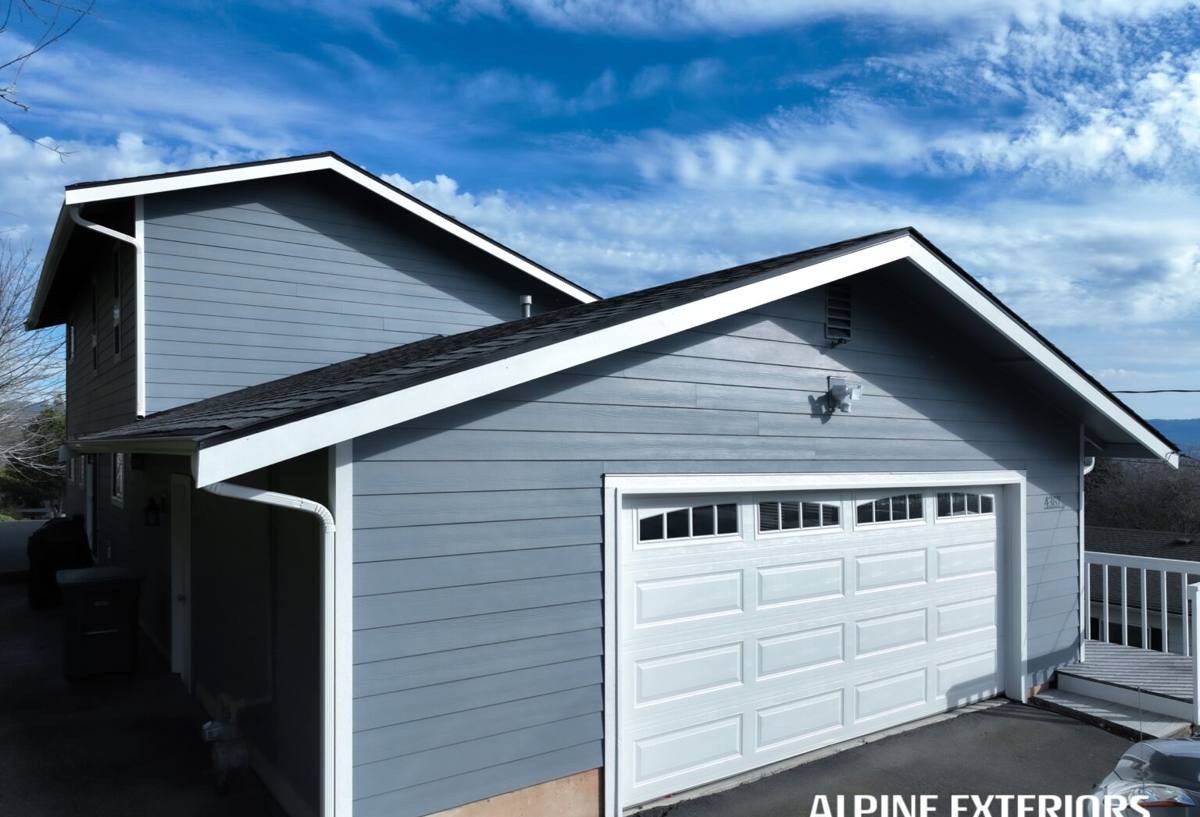
What Coquina Key's Climate Does to a Roof
Every roof in the Tampa Bay area deals with heat, UV, and the occasional hurricane. Coquina Key's canal-front layout adds a few extra variables worth planning for:
Wind exposure
Open water on multiple sides means fewer windbreaks than a roof surrounded by other structures or tree cover. During tropical storms and hurricanes, that translates into higher sustained wind speeds and more uplift force at eaves, rakes, and ridge lines — the areas most prone to shingle loss if fastening and sealing weren't done to spec.
Salt air and moisture
Proximity to brackish canal water and Tampa Bay itself means metal components — nails, flashing, vents, drip edge — are exposed to more airborne salt than a typical inland roof. Lower-grade or improperly coated fasteners corrode faster in this environment, which can lead to loosened shingles and hidden leaks well before the shingles themselves wear out.
UV and heat
Florida sun is intense nearly year-round, and there's little natural shade over most Coquina Key rooflines given the open, waterfront layout of the neighborhood. UV exposure breaks down asphalt shingle granules and the asphalt binder underneath them, which is the main driver of shingle aging in this climate — more so than age alone.
Wind-driven rain
Tropical downpours here don't fall straight down — wind pushes rain sideways and up under shingle tabs and around penetrations. A roof that would stay watertight in a calmer climate can leak in Pinellas County if the underlayment and flashing details weren't built with wind-driven rain in mind.
What a Correct Installation Involves
A shingle roof is a system, not just a single product layer. For a Coquina Key home, we pay particular attention to the parts that get skipped or shortcut on lower-bid jobs:
- Deck inspection and repair: Any soft, delaminated, or water-stained decking gets replaced before a single shingle goes down — covering bad decking just hides a problem.
- Synthetic or self-adhered underlayment: A continuous water-resistant barrier under the shingles, with self-adhered membrane at eaves, valleys, and penetrations where wind-driven rain is most likely to intrude.
- Corrosion-resistant fasteners and flashing: Given the salt air exposure, we use fastener and flashing materials rated for coastal-adjacent conditions rather than the cheapest available option.
- Proper nailing pattern: Correct nail count and placement per shingle, per manufacturer spec — this is one of the biggest factors in whether a roof holds up in high wind, and one of the easiest things for a rushed crew to get wrong.
- Sealed valleys and penetrations: Pipe boots, vent flashing, and valley metal installed and sealed to shed water even when rain is being pushed sideways by wind.
- Balanced attic ventilation: Intake and exhaust ventilation sized correctly so heat and moisture don't build up under the deck, which shortens shingle life from underneath.
Signs a Coquina Key Roof Needs Attention
Because of the added wind and salt exposure here, some warning signs show up earlier or more visibly than they would inland. Worth checking for:
- Missing, curling, or cracked shingles, especially near eaves, ridges, and rake edges
- Granules collecting in gutters or at downspout outlets
- Rust staining around flashing, vents, or exposed fasteners
- Soft spots or sagging when walking the roof (should only be assessed by a professional)
- Water stains on interior ceilings, especially after a wind-driven rain event
- Visible daylight through the attic decking or soffit area
- Shingles that look "washed out" or have lost their granule texture from UV exposure
Any one of these on its own may not mean a full replacement is needed — but on a waterfront property, we'd rather look at it sooner than later, since small issues compound faster here than in more sheltered areas.
Repair or Full Replacement?
Not every roof issue on Coquina Key means a full tear-off. We look at the age of the roof, the extent of damage, and whether the underlying deck and underlayment are still sound before recommending either path.
| Factor | Repair may be enough | Replacement likely needed |
|---|---|---|
| Roof age | Under roughly 10-12 years, isolated damage | Approaching or past manufacturer-rated lifespan |
| Damage extent | Localized — a few shingles, one slope, one penetration | Widespread across multiple slopes or systemic fastener corrosion |
| Deck condition | Solid, dry decking under the affected area | Soft, delaminated, or water-damaged decking found |
| Underlayment | Still intact and sealed elsewhere on the roof | Deteriorated, brittle, or improperly installed originally |
| Insurance/claim status | Minor storm damage, claim covers spot repair | Storm or wind damage significant enough to total the roof section |
We'll always tell you honestly which category your roof falls into rather than defaulting to the more expensive option.
Shingle Options for This Climate
Most Coquina Key homeowners choose between standard 3-tab shingles and architectural (dimensional) shingles. Given the wind exposure on this peninsula, the choice matters more here than it might in a more sheltered inland neighborhood.
| 3-Tab Shingles | Architectural Shingles | |
|---|---|---|
| Wind rating | Generally lower rated | Typically higher wind rating when installed to spec |
| Durability | Thinner, single-layer construction | Thicker, layered construction, more resistant to UV and impact wear |
| Appearance | Flat, uniform look | Dimensional, shadow-line appearance |
| Typical cost | Lower upfront cost | Higher upfront cost, often better long-term value |
| Fit for waterfront exposure | Adequate but more vulnerable to uplift | Better suited to sustained coastal-adjacent wind exposure |
We don't push a single product on every homeowner — the right choice depends on your budget, how long you plan to stay in the home, and your insurance carrier's requirements. We'll walk through the real trade-offs with you rather than upselling.
Our Process on Coquina Key Jobs
- Inspection: We walk the roof and attic, check decking condition, flashing, ventilation, and document existing damage.
- Honest recommendation: Repair vs. replace, with the reasoning explained in plain terms — including how the waterfront exposure factors in.
- Written estimate: Clear scope of work, materials, and pricing before anything is scheduled.
- Permitting: We handle the permit process required by the City of St. Petersburg and Pinellas County for roofing work.
- Tear-off and deck check: Old roofing removed, decking inspected and repaired as needed before underlayment goes down.
- Underlayment and flashing: Installed with attention to valleys, penetrations, and edges where wind-driven rain intrudes.
- Shingle installation: Installed to manufacturer nailing spec, with corrosion-resistant fasteners appropriate for the salt air exposure.
- Final inspection and cleanup: Job site cleaned, magnetic sweep for stray nails, and a walk-through so you understand what was done.
Wind Mitigation, Insurance, and Local Code
Pinellas County and the City of St. Petersburg follow Florida's building code requirements for wind resistance, which govern things like nailing patterns, underlayment type, and secondary water barriers for reroofing work. A properly documented, code-compliant installation can also matter for wind mitigation inspections, which many insurance carriers use to set or adjust premiums — particularly relevant for a waterfront property like those on Coquina Key. We build every roof to meet current code requirements and can provide documentation of the materials and methods used, which your insurance carrier may request.
Maintenance That Actually Extends Roof Life Here
Asphalt shingle roofs in this environment benefit from more frequent attention than the "check it once a year" advice you'll hear in less demanding climates. A short list that makes a real difference on Coquina Key:
- Visual inspection after any named storm or significant wind event
- Keeping gutters and downspouts clear so water isn't backing up under the roof edge
- Trimming back any overhanging vegetation that holds moisture against the roof
- Checking flashing and pipe boots for cracking or separation every year or two
- Addressing small leaks or missing shingles promptly rather than waiting
- Periodic attic checks for moisture, staining, or ventilation blockages
Why Local Experience on Coquina Key Matters
A roofing crew that mostly works inland jobs may not think twice about fastener grade, flashing material, or underlayment coverage — because on a typical inland St. Petersburg roof, those shortcuts take longer to show up as problems. On a canal-front property exposed to salt air and open wind on multiple sides, those same shortcuts show up sooner: corroded fasteners, lifted shingles, and leaks that trace back to details that were never built for this specific exposure. Working this neighborhood regularly means we've seen firsthand what standard specs need to be upgraded for waterfront conditions, and we build that into every estimate rather than treating it as an upsell.
If your Coquina Key roof needs a repair, an inspection, or a full replacement, we're happy to take a look and give you a straight answer — no pressure, no inflated scope. Fill out the form below to request a free estimate.