 St. Petersburg Roofing
 Board & Batten Siding in Historic Kenwood: What Homeowners Need to Know
Historic Kenwood is one of St. Petersburg's designated historic neighborhoods, known for its concentration of early-20th-century bungalow and Craftsman-style homes. Board and batten siding — wide vertical boards with narrow strips (battens) covering the seams — shows up often in this kind of architecture, whether as a full facade treatment, a gable accent, or a porch or dormer detail. It's a look that fits the neighborhood's character, but on Florida's Gulf Coast, "fits the character" and "holds up for decades" are two different problems. This page covers what a correct board and batten installation looks like on a Historic Kenwood home, why the local climate changes the calculus, and why we install it in James Hardie fiber cement only.
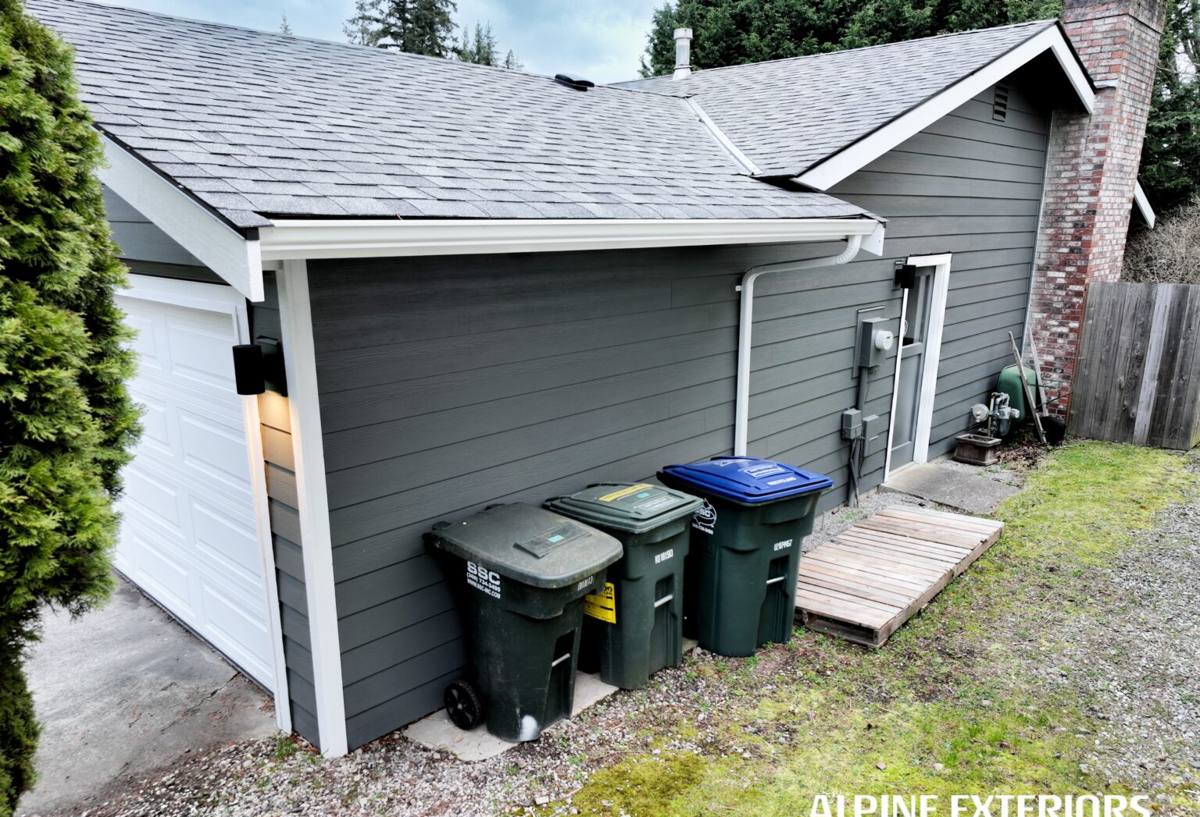
Why Kenwood's Climate Is Harder on Vertical Siding Than People Expect
Board and batten has more seams and more exposed fastener lines than horizontal lap siding, which means it has more places for water, wind, and UV to find a weakness. In St. Petersburg and the rest of Pinellas County, that vulnerability gets tested constantly:
Hurricane-force wind and wind-driven rain
Pinellas County sits on a peninsula, which means wind during tropical storms and hurricanes doesn't just push against a wall — it drives rain sideways into every seam, batten joint, and fastener point. Vertical siding with poorly sealed or improperly fastened battens gives that wind-driven rain a direct path behind the cladding, where it can sit against sheathing and framing long after the storm passes.
Year-round, high-intensity UV
St. Petersburg gets more sunny days than almost any other city in the country, and that UV load doesn't let up in winter the way it does farther north. Paint film breaks down faster here. Wood substrates dry out, crack, and cup. Anything with a factory finish that isn't formulated for this level of exposure will fade and chalk noticeably faster than it would in a milder climate.
Salt air and humidity
Even a few miles inland from Tampa Bay or the Gulf, homes deal with salt-laden air that accelerates corrosion on fasteners and trim, and humidity that keeps moisture-sensitive materials from ever fully drying out between rain events. That combination is exactly what causes swelling, soft spots, and paint failure on siding that isn't built for it.
What "Correct" Board & Batten Installation Actually Involves
Board and batten looks simple, but it's less forgiving than lap siding if it's installed wrong. A crew that's only installed a handful of board and batten jobs — or that's used to horizontal siding — can miss details that don't show up as problems until a year or two later.
Furring and drainage
Vertical siding needs a drainage plane behind it — typically a properly installed weather-resistant barrier with furring strips or a rainscreen gap — so that any moisture that does get past the battens has somewhere to go and can dry out. Installing boards flat against the sheathing without that gap traps moisture instead of shedding it.
Fastening pattern
Battens and boards need to be fastened according to the manufacturer's engineered pattern, not "however holds it up." Under-fastening leaves siding vulnerable to wind uplift in a storm; over-fastening or fastening in the wrong location can crack fiber cement or create points where water intrudes around the fastener head.
Joint and penetration sealing
Every seam, corner, and penetration (light fixtures, hose bibs, vents) needs to be treated correctly — not just caulked over. Caulk is a maintenance item, not a substitute for correct flashing and installation sequencing.
Historic-district considerations
Homes in a recognized historic neighborhood sometimes have design guidelines around exterior appearance — board width, reveal, trim profile, and color. We work within whatever the specific property's requirements are rather than defaulting to a generic install, so the finished look is appropriate for the home and the neighborhood.
Why We Install James Hardie — and Nothing Else
We standardized on James Hardie fiber cement for every siding job we do, including board and batten in Historic Kenwood, and we don't install vinyl, LP SmartSide, primed spruce, cedar, or other fiber cement brands. That's not a marketing position — it's a decision built around what actually holds up in this climate over a 20-30 year window.
What we ruled out and why
- Vinyl board and batten: lightweight vertical vinyl panel systems can deform in high heat, chalk under intense UV, and are more vulnerable to cracking from wind-driven debris in a storm than a rigid fiber cement board.
- Cedar or primed spruce: real wood board and batten can look excellent initially, but in humid, high-UV coastal conditions it demands frequent repainting, is prone to swelling and rot at the battens and base, and is a food source for pests in a way fiber cement isn't.
- LP SmartSide and other engineered wood products: these are wood-strand based, and while treated for moisture resistance, they still rely on an intact factory or field-applied coating to keep water out of the substrate — a coating that has to hold up against the same UV and salt exposure discussed above.
- Other fiber cement brands: we're not claiming other fiber cement is unsafe or defective — we simply standardized on one manufacturer so our crews install one system to spec, every time, and can back it with a warranty structure we know and trust.
What James Hardie gets right for this climate
James Hardie fiber cement is non-combustible, dimensionally stable in heat and humidity, and manufactured with climate-specific formulations. For Florida specifically, Hardie engineers its products for the state's combination of heat, humidity, and hurricane-force wind-driven rain — a different engineering target than the formulation used in drier or colder parts of the country. The factory-applied ColorPlus finish is baked on and warranted separately from the substrate, which matters directly in a market where UV is the single biggest reason painted siding fails early.
Material Comparison for Board & Batten in a Coastal Florida Climate
| Material | UV/fade resistance | Moisture behavior | Wind-driven rain performance | Typical maintenance |
|---|---|---|---|---|
| James Hardie fiber cement | Factory ColorPlus finish, separately warranted | Dimensionally stable, doesn't swell or rot | Engineered for FL wind and rain exposure (HZ product line) | Occasional wash; no repainting for many years |
| Vinyl | Prone to fading and chalking under intense UV | Doesn't rot, but can warp or crack in heat/impact | Panels can be pried loose or cracked by wind-driven debris | Low, but panels aren't repairable — only replaceable |
| Cedar / primed spruce | Coating degrades faster in high UV | Absorbs moisture; prone to swelling, cupping, rot | Vulnerable at battens and base if coating fails | Frequent repainting/resealing |
| Engineered wood (LP-type) | Depends on coating integrity | Treated for moisture, but substrate is still wood-based | Performs reasonably if coating and seams stay intact | Coating maintenance and seam inspection |
Our Process for a Historic Kenwood Board & Batten Job
1. On-site assessment
We look at the existing wall assembly, sheathing condition, and any moisture or rot issues before quoting anything. On older Kenwood homes, this step often catches problems that need addressing before new siding goes on, not after.
2. Design and layout
We work out board width, batten spacing, and trim details that fit the home's existing architecture and any applicable neighborhood or historic guidelines, then confirm the plan and color with the homeowner before ordering material.
3. Tear-off and prep
Old siding comes off, sheathing is inspected and repaired as needed, and a code-compliant weather-resistant barrier goes on with proper flashing at windows, doors, and penetrations.
4. Installation to manufacturer spec
Boards and battens are installed with correct furring/drainage, fastening pattern, and joint treatment — not shortcuts that save a day of labor but cost the homeowner in five years.
5. Final walkthrough
We walk the finished job with the homeowner, cover care and maintenance expectations, and provide the manufacturer warranty documentation.
What Board & Batten Costs Depend On
We don't publish flat prices because board and batten cost varies by home size, existing wall condition, trim complexity, and how much prep or repair the substrate needs. The factors below are the ones that actually move the number:
| Cost factor | Why it matters |
|---|---|
| Sheathing/substrate condition | Rot or moisture damage found during tear-off adds repair scope before new siding can go on |
| Board width and batten spacing | Narrower boards and tighter spacing mean more material and labor per square foot |
| Trim and architectural detail | Gables, dormers, and porch details on a bungalow-style home add cutting and fitting time |
| Historic-district requirements | Specific reveal, profile, or color requirements can affect material selection and lead time |
| Access and site conditions | Lot size, landscaping, and setbacks affect scaffolding and staging |
Living With Board & Batten Siding After Installation
Correctly installed James Hardie board and batten is low-maintenance, but "low-maintenance" doesn't mean "no attention needed." A periodic rinse to remove salt residue and airborne grit helps the ColorPlus finish look its best. After any major storm, it's worth a quick visual check for loose battens, damaged corners, or cracked caulk joints at penetrations — catching a small issue early is a lot cheaper than dealing with water intrusion later. Keep an eye on irrigation spray patterns too; constant direct wetting of the base of the siding from sprinklers is one of the more common preventable maintenance issues we see.
Why Hiring a Crew That Already Works in Kenwood Matters
A contractor who's done board and batten work specifically in St. Petersburg's historic neighborhoods already understands the practical realities: how these homes' original framing and sheathing tend to be built, what design details typically need to be preserved or matched, and how to sequence a job around a smaller, older lot. That's different knowledge than a crew that mostly does new-construction lap siding in a subdivision. It shows up in fewer surprises during tear-off, a layout that actually suits the home, and an install that accounts for Pinellas County's wind and moisture exposure from the start rather than as an afterthought.
What to look for when vetting a contractor for this kind of project
- Experience with vertical/board and batten installation specifically, not just horizontal lap siding
- Familiarity with local permitting and any historic-district design considerations
- A clear explanation of the drainage plane and fastening approach they'll use, not just a price
- Manufacturer certification or documented training on the specific fiber cement product being installed
- A written scope that covers substrate repair contingencies, not just the siding itself
- A real, transferable manufacturer warranty — not just a verbal assurance
If you're weighing board and batten siding for a home in Historic Kenwood, we're glad to take a look and talk through what a correct installation looks like for your specific house. Reach out for a free, no-pressure estimate using the form below.