 St. Petersburg Roofing
 Board and batten siding has become one of the most requested looks on St. Pete Beach — the vertical lines read as coastal-modern on a new build and as a clean, low-maintenance update on an older Gulf-front cottage. But on this barrier island, the siding profile is only half the story. What it's made of, and how it's installed, determines whether that look lasts through five or six hurricane seasons or starts failing at the seams within two or three years.
St. Pete Beach sits directly on the Gulf, which means every wall assembly on this island deals with salt-laden air, near-constant humidity, punishing UV exposure, and wind-driven rain that gets pushed sideways into siding joints during summer storms and named systems alike. Board and batten's vertical board-and-strip design has more seams per square foot than lap siding, which makes material choice and joint detailing more important here than almost anywhere else in Pinellas County.
Why Board & Batten Is a Good Fit for St. Pete Beach — With Conditions
The vertical board-and-batten profile pairs well with the beach-cottage and modern coastal architecture common on St. Pete Beach. It also sheds wind-driven rain reasonably well when installed correctly, because the batten strips cover the vertical seams between boards, giving water fewer direct paths to the wall assembly. That's the upside.
The downside is that board and batten has more linear feet of seams than a standard lap profile covering the same wall area. Every one of those seams is a potential entry point for moisture if the material swells, shrinks, warps, or the fasteners back out over time. On a barrier island where salt air accelerates corrosion and UV breaks down lesser materials faster than inland, the margin for error is smaller. This is a siding style where the product and the installer matter more than usual, not less.
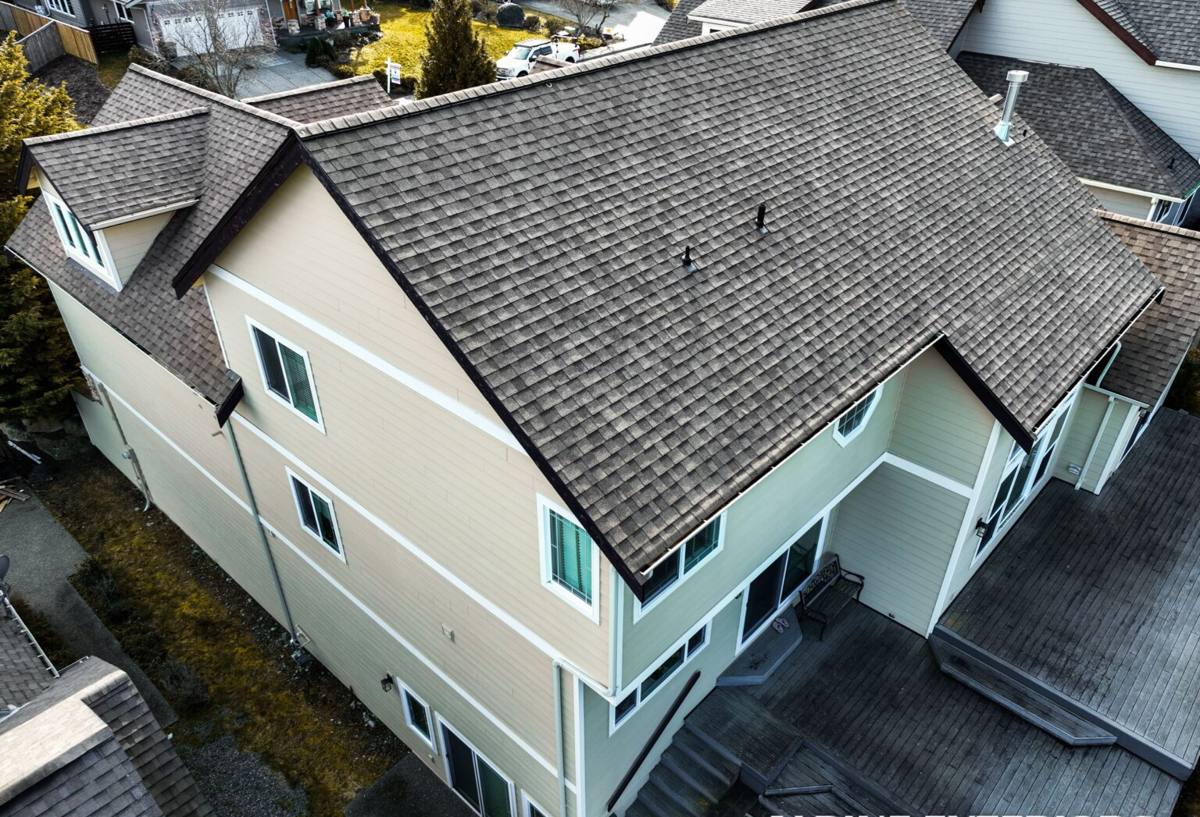
What St. Pete Beach's Climate Actually Does to Siding
Salt Air and Corrosion
Being this close to the Gulf means airborne salt settles on every exterior surface. It accelerates corrosion of fasteners, staples, and any exposed metal trim, and it degrades paint films and coatings faster than the same products would wear inland. Siding fasteners and flashing details need to be rated for coastal exposure, not standard-grade.
UV Exposure
Florida sun is intense year-round, not just in summer. Paint and coatings on wood-based or composite sidings chalk, fade, and lose adhesion faster under this UV load than manufacturer specs written for northern climates account for. A factory-cured finish holds color and integrity far longer than a field-applied coat exposed to this much sun.
Wind-Driven Rain and Storm Wind Loads
St. Pete Beach sits in a wind zone where hurricane-force gusts are a real, recurring possibility, and even routine summer storms push rain sideways into wall seams. Siding here needs to hold its fasteners under sustained uplift and gusting, and every seam and joint needs to be detailed to shed water that's moving horizontally, not just falling straight down.
Humidity and Moisture Cycling
Pinellas County's humidity stays high most of the year. Any siding material that absorbs moisture and swells, then dries and shrinks, goes through that cycle constantly here — not occasionally. Repeated swelling and shrinking is what opens up seams, cracks paint lines, and eventually lets water behind the cladding.
Why We Install Board & Batten in James Hardie Fiber Cement Only
We install James Hardie fiber cement exclusively — we don't install vinyl, LP SmartSide, primed spruce, cedar, or other composite board-and-batten systems, and that's a deliberate standard, not a limitation of what we can source. Here's the reasoning specific to a board-and-batten application on a barrier island:
- Fiber cement doesn't swell and shrink with humidity the way wood-based products do. On a profile with this many seams, dimensional stability directly reduces the number of joints that can open up over time.
- It's non-combustible. That matters for insurance and code considerations regardless of coastline, but it's a real, permanent advantage over wood-based or engineered-wood alternatives.
- James Hardie's HZ5 product line is engineered for high-humidity, coastal climates — it's formulated and tested for exactly the moisture cycling and exposure St. Pete Beach delivers.
- ColorPlus factory-applied finish is baked on and cured under controlled conditions, which holds up to Florida UV significantly better than a field-applied paint coat on wood or composite substrates.
- It carries a strong, transferable manufacturer warranty — an important detail on the coast, where a lot of siding failures are gradual and show up years after installation.
We're not going to tell a homeowner that wood board and batten or a composite alternative is a bad product across the board — there are places and climates where those materials perform fine. But on a Gulf-front barrier island with this much UV and salt exposure, we've made installing only what we believe holds up here our professional standard, and that's James Hardie.
What a Correct Board & Batten Installation Involves
The profile itself is straightforward — vertical boards with battens covering the seams — but getting it right in a coastal wind and moisture environment comes down to details that aren't visible once the job is finished.
Water-Resistive Barrier and Drainage Plane
Every board-and-batten installation needs a continuous water-resistive barrier behind it, installed shingle-style so water sheds outward and down rather than getting trapped. On a home this close to the Gulf, we treat this layer as non-negotiable — it's the backup system if any water gets past the siding face.
Fastener Selection and Placement
Fasteners need to be corrosion-resistant and rated for coastal exposure, placed according to Hardie's published fastening schedule for the wind zone. Under-fastening or using the wrong fastener type is one of the most common causes of siding failure in high-wind coastal areas — boards work loose gradually, long before anyone notices from the ground.
Joint and Seam Detailing
Board-to-board and board-to-batten seams need proper gapping and sealant per manufacturer spec — not caulked tight, which doesn't allow for material movement and traps water. Getting this wrong is invisible at installation and shows up as cracking or staining a season or two later.
Flashing at Penetrations and Transitions
Windows, doors, roof lines, and any wall penetration need proper flashing integrated with the water-resistive barrier — this is where most real-world leaks originate, not through the field of the siding itself.
Comparing Board & Batten Material Options for This Climate
| Factor | James Hardie Fiber Cement | Wood (Cedar/Spruce) | Vinyl or Composite |
|---|---|---|---|
| Moisture/humidity stability | High — minimal swelling or warping | Low — swells, shrinks, warps in cycling humidity | Moderate — can warp or fade in heat |
| UV/fade resistance | High with factory ColorPlus finish | Low — repaint/reseal needed regularly | Moderate — color fades over years |
| Salt air/corrosion resistance | High — non-organic substrate | Low — organic material, rot risk | Moderate — plastic itself is stable, fasteners can corrode |
| Fire rating | Non-combustible | Combustible | Combustible |
| Typical maintenance | Periodic wash, no repainting for years | Repaint/reseal every 3-5 years | Wash only, but prone to cracking/impact damage |
Our Process for a St. Pete Beach Board & Batten Job
- On-site assessment: we look at wall orientation, existing substrate condition, and any moisture damage before quoting anything.
- Product and color selection: we walk through James Hardie's board-and-batten profiles and ColorPlus palette suited to coastal and HOA-influenced neighborhoods.
- Tear-off and substrate inspection: we don't install over hidden rot or a compromised water-resistive barrier — anything we find gets addressed before new siding goes up.
- Water-resistive barrier and flashing installation: the part of the job that determines long-term performance, done to manufacturer spec.
- Siding installation: boards and battens fastened per Hardie's coastal wind-zone schedule.
- Final inspection and walkthrough: we review the finished work with the homeowner before calling the job complete.
Why a Crew That Already Works St. Pete Beach Matters
St. Pete Beach isn't a generic Florida suburb from a wind-load or moisture-exposure standpoint — it's a barrier island. A crew that regularly works this island already knows the fastening schedules that hold up to Gulf-front wind exposure, understands how local permitting and wind-zone requirements apply here, and has seen firsthand what happens to siding jobs that cut corners on flashing or fastener selection in this specific environment. That experience shows up in the details you can't see once the siding is up — the ones that determine whether the job is still performing well in year eight, not just how it looks at the walkthrough.
Questions to Ask Before Hiring for a Board & Batten Job Here
- What water-resistive barrier and fastening schedule will be used, and is it rated for this wind zone?
- Is the crew installing to James Hardie's published specifications for coastal/HZ5 climates?
- How will seams and joints be gapped and sealed, and why?
- What does the manufacturer warranty cover, and is it transferable if you sell the home?
- Has this crew worked on St. Pete Beach or similarly exposed coastal properties before?
If you're considering board and batten siding for a home on St. Pete Beach, we're happy to walk your property, look at what you're currently working with, and give you a straightforward, no-pressure estimate for a James Hardie installation built for this island's conditions.