 St. Petersburg Roofing
 Composite Decking in Childs Park: Built for This Climate, Not Just Any Climate
A deck in Childs Park works harder than a deck almost anywhere inland. Between the intense, near year-round Florida sun, the humidity that never really lets up, the salt-carrying air that drifts inland off Tampa Bay, and the wind-driven rain and hurricane-force gusts that come through Pinellas County most summers and falls, an outdoor structure here is under constant, cumulative stress. Composite decking was designed to hold up to exactly that kind of punishment better than traditional lumber, but only when it's specified and installed correctly for this climate. A generic install — the kind that would hold up fine in a drier, cooler part of the country — is not the same job as one built for St. Petersburg.
This page is about that one job, done right, for homes in and around Childs Park.
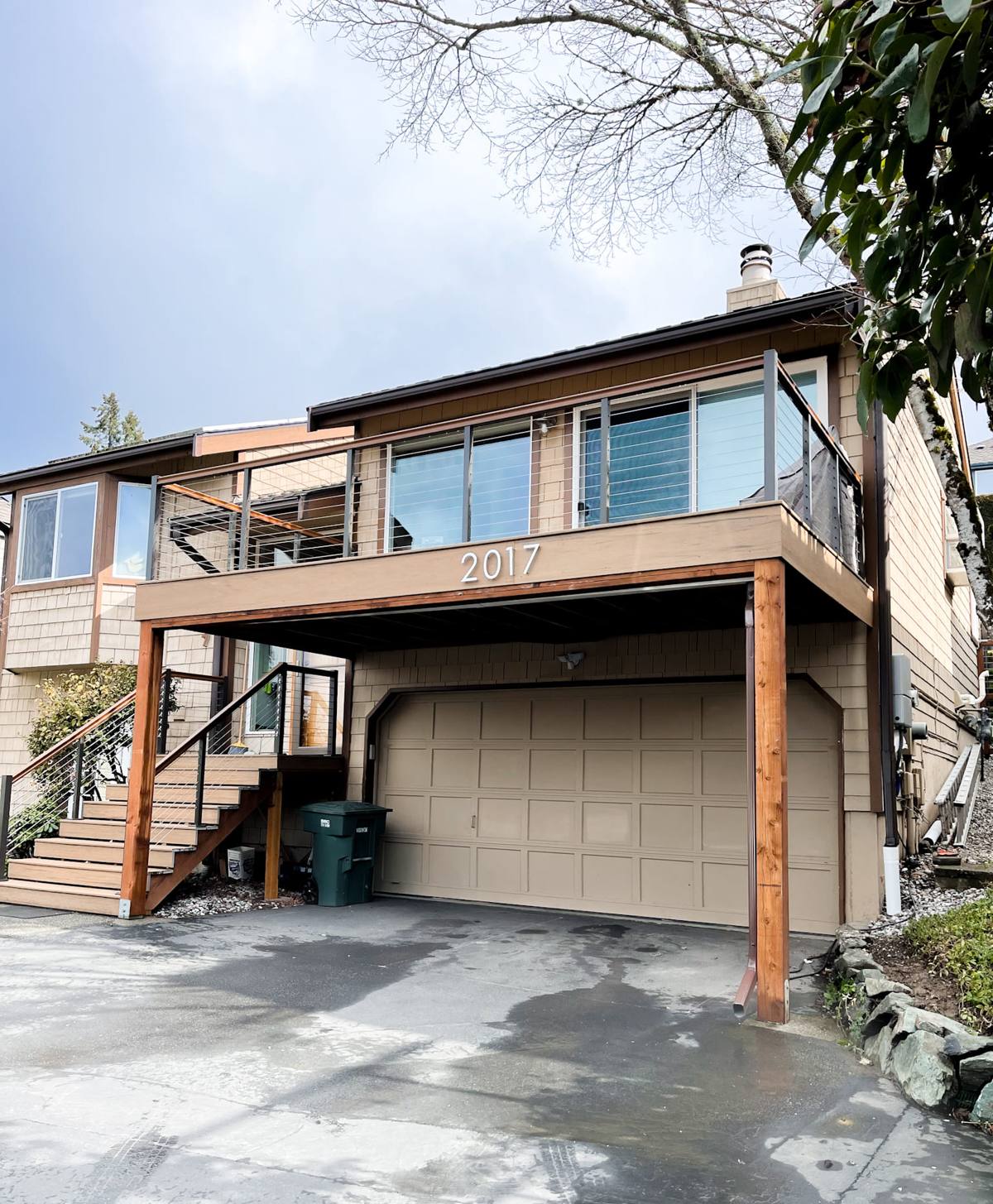
Why Local Conditions Change the Job
Composite decking is a low-maintenance material, but "low-maintenance" doesn't mean "climate-proof out of the box." Several things about this specific area push a deck harder than most manufacturers' marketing photos suggest:
- UV load: Florida sun is intense almost every month of the year. Boards, fasteners, and railing components all fade, expand, and contract more here than in milder climates.
- Humidity and moisture cycling: Wood-fiber composite cores and any exposed wood framing underneath a deck are constantly wetting and drying, which accelerates rot in anything that isn't properly protected.
- Salt air: Even well inland from the coast, Pinellas County homes see salt-laden air that corrodes standard fasteners, hardware, and metal railing components faster than it would in a landlocked state.
- Wind-driven rain and hurricane exposure: Rain doesn't just fall here — it's pushed sideways into ledger boards, joints, and post connections during storms, which is exactly where a poorly flashed deck starts to fail first.
None of these conditions are unique to Childs Park specifically, but they define what "correct" looks like for any deck built in this part of St. Petersburg, and they're the reason a deck built to a generic national spec often underperforms here within a few years.
What a Correct Composite Deck Actually Involves
The Substructure Matters More Than the Boards
Homeowners tend to focus on the decking material itself — the color, the brand, the texture — but the framing underneath is what actually determines whether the deck survives its first decade in this climate. Joists, beams, and posts need to be sized for local wind and load requirements, properly spaced for the specific composite product being installed (composite boards often have tighter joist-spacing requirements than wood), and either naturally decay-resistant or properly protected. In a humid coastal climate, an undersized or poorly protected substructure will fail long before the composite boards on top of it ever show wear.
Fasteners, Flashing, and Ledger Attachment
The ledger board — the piece that attaches the deck to the house — is the single most common failure point on any deck, composite or wood, in a humid climate. Without proper flashing and a moisture barrier between the ledger and the house, water gets trapped and rot sets in from the inside out, often invisibly, for years. Fasteners and hardware also matter more here than in most parts of the country: coastal exposure calls for corrosion-resistant, coated, or stainless hardware throughout, not standard galvanized fasteners that were never rated for salt air.
Hidden Fastener Systems and Board Spacing
Most modern composite decking uses hidden fastener clip systems rather than face-screwing, which gives a cleaner look and avoids the exposed screw holes where water can intrude. Board spacing has to account for real-world Florida heat expansion — composite boards move more than people expect between a cool morning and a 95-degree afternoon, and gaps that are cut too tight will buckle within a season.
Composite vs. Other Decking Materials in a Florida Climate
Every decking material involves trade-offs. Here's how the common options actually compare for a home in this climate, honestly:
| Material | Moisture/Rot Behavior | Maintenance | Typical Lifespan Here | Relative Cost |
|---|---|---|---|---|
| Pressure-treated wood | Prone to warping, splintering, and rot in high humidity without diligent upkeep | Annual sealing/staining recommended | 10-15 years with upkeep | Lowest upfront |
| Composite (capped) | Resists rot and moisture absorption well; core is protected by a polymer cap | Periodic washing; no staining or sealing | 25-30+ years | Mid to upper-mid |
| PVC/cellular decking | Excellent moisture resistance; no wood fiber to absorb water | Minimal; occasional cleaning | 25-30+ years | Highest |
| Tropical hardwoods | Naturally dense and rot-resistant but still needs oiling to prevent graying/cracking in UV | Regular oiling | Varies widely with upkeep | High |
For most Childs Park homeowners, capped composite is the practical middle ground: it handles this area's moisture and UV exposure far better than untreated or minimally maintained wood, without the premium price tag of full PVC systems. We'll walk through the honest trade-offs for your specific project rather than pushing one product line — the right material depends on your budget, how much upkeep you want to do, and how the deck will be used.
How Our Process Works
- On-site assessment: We look at the existing structure (if there is one), the ledger attachment point, drainage around the foundation, and sun/wind exposure specific to your lot.
- Permitting: Deck construction and replacement in St. Petersburg generally requires a permit and inspection. We handle that process rather than leaving it to you.
- Demolition and framing: Old decking and any compromised framing is removed and replaced. This is where we correct undersized joists, rotted ledgers, or improper flashing from a prior build.
- Decking and railing installation: Boards are installed with proper spacing for thermal movement, hidden fasteners where applicable, and corrosion-resistant hardware throughout.
- Final walkthrough and inspection: We confirm the work passes local inspection and walk you through basic care before we consider the job done.
Problems We Commonly Find on Existing Decks in This Area
When we're called out to inspect or replace an existing deck in this part of St. Petersburg, a handful of issues show up repeatedly:
- Ledger boards attached without flashing, leading to hidden rot at the house connection
- Undersized or waterlogged joists from years of humidity exposure
- Railings that no longer meet current load or height requirements, often from older, informal builds
- Standard (non-coated) fasteners that have corroded and stained the decking around them
- Boards installed with insufficient gap spacing, resulting in buckling or cupping after a few Florida summers
Most of these aren't visible from a casual look at the deck surface — they show up in the framing, the attachment points, and the hardware, which is exactly why a proper inspection matters more than a quick glance before you decide whether to repair or replace.
Maintaining a Composite Deck in Pinellas County
Composite decking is genuinely lower-maintenance than wood, but "low-maintenance" in this climate still means a few real tasks: periodic washing to remove pollen, mildew, and salt residue; keeping gutters and downspouts clear so runoff isn't pooling near posts and footings; and checking railing hardware occasionally for corrosion, especially if the deck is closer to open water or gets direct salt-air exposure. None of this is heavy upkeep, but skipping it entirely does shorten the life of even a well-installed deck.
Why It Matters That We Already Work in This Area
St. Petersburg's permitting requirements, Pinellas County's wind-load standards, and the specific way this climate attacks ledger boards and fasteners aren't things you learn from a manufacturer's install manual — they're things you learn by building and repairing decks on homes in this exact area, through hurricane seasons and humid summers. A crew that already works in Childs Park and the surrounding St. Petersburg neighborhoods knows what inspectors here expect, which attachment details actually hold up to a real storm, and which shortcuts on other people's jobs tend to fail first. That local track record is worth more than a lower bid from a crew that's never built here before.
Questions Worth Asking Before You Hire
- Will the crew pull the required permit, or is that left to you?
- What fastener and hardware grade will be used, and is it rated for coastal/salt-air exposure?
- How will the ledger board be flashed and sealed against the house?
- What's the manufacturer's warranty on the decking material, and does the installer's workmanship warranty match it?
- Has this crew built or repaired decks elsewhere in St. Petersburg or Pinellas County recently?
If your deck in Childs Park needs a straight answer on repair versus replacement, or you're planning a new composite deck and want it built for what this climate actually does to a structure, we're glad to take a look. Reach out for a free, no-pressure estimate using the form below.