 St. Petersburg Roofing
 New-Construction Windows in Childs Park: What Makes This Job Different
New-construction window installation is not the same trade as replacing an old window in an existing wall. New-construction windows go in during framing, before the exterior wall covering is closed up, using a nailing fin that gets fastened directly to the sheathing and integrated into the house wrap and flashing system. That's different from a replacement or "retrofit" window, which gets set into an existing finished opening with the old frame either removed or left in place as a mounting surface. If you're building new in Childs Park, adding a room, or replacing a home on an existing lot, the windows need to go in at the right stage, in the right sequence with the weather barrier, or you end up with problems you can't see until the first hard rain finds them.
This page is specifically about that new-construction process for homes and additions in the Childs Park area of St. Petersburg. It's not a generic "we sell windows" page — it's what actually needs to happen at the framing stage so the windows perform for decades in this part of Pinellas County.
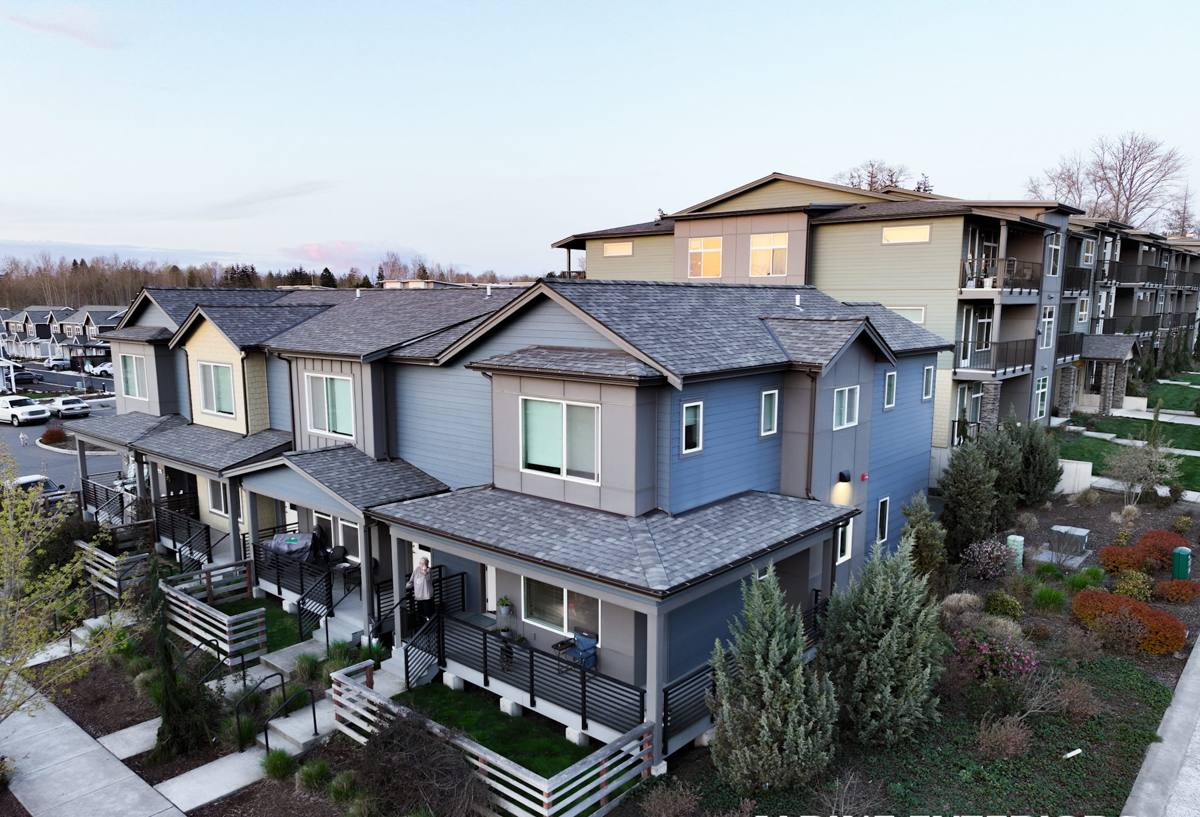
What St. Petersburg's Climate Does to a New Window Installation
Childs Park sits within St. Petersburg's broader coastal climate, and that climate is hard on building envelopes even when the neighborhood itself isn't waterfront. A few things matter directly to how new windows should be installed and specified:
- Hurricane-force and straight-line wind: Pinellas County is inside Florida's wind-borne debris region, which drives both the pressure rating a window must carry and whether it needs impact-rated glass or code-approved shutters.
- Intense, year-round UV: Florida sun degrades cheap seals, warps low-grade vinyl, and fades interior finishes faster than in most of the country — glass coating and frame material choice matter more here than in milder climates.
- Wind-driven rain: During tropical storms, rain doesn't just fall — it's pushed sideways into wall assemblies under pressure. A window opening that isn't flashed correctly will leak under those conditions even if it never leaks in a normal afternoon shower.
- Salt-laden air: Tampa Bay's proximity means airborne salt travels well inland on prevailing winds. It accelerates corrosion on fasteners, hardware, and lower-grade metal components over time.
None of this is unique to Childs Park specifically, but it's the baseline every new-construction window job in this part of St. Petersburg has to be designed around.
Florida Building Code and Pinellas County Requirements
Wind pressure ratings
Every new window installed here needs a Design Pressure (DP) rating appropriate to the home's wind exposure category, height, and location on the structure. A window rated for a sheltered inland lot is not automatically adequate for a taller structure or one with more open exposure nearby — this is calculated per project, not assumed from a catalog number.
Wind-borne debris protection
Because Pinellas County is in the wind-borne debris region, new windows must either be impact-rated (laminated glass that resists penetration) or have code-compliant shutters or panels that can be deployed before a storm. Builders and homeowners sometimes assume any "hurricane window" satisfies this — the product has to carry current Florida Product Approval documentation matching how it's actually installed.
Florida Product Approval and permitting
Windows installed in new construction in Florida need a valid Florida Product Approval (or Miami-Dade NOA where applicable) on file, and the installation itself has to match the manufacturer's approved installation instructions for that approval to mean anything. Pinellas County requires permits for new-construction window installs, and the local building inspector will check both the product documentation and the installation details before signing off. Skipping this, or installing outside the approved method, can put both the warranty and the permit at risk.
What a Correct New-Construction Window Installation Actually Involves
The window unit itself is only part of the job. The install sequence around it is where most long-term problems either get prevented or get built in.
Sill pan and flashing sequence
A properly built rough opening includes a sloped sill pan that directs any water that gets past the window back out to the exterior instead of into the wall cavity. Flashing tape at the head, jambs, and sill needs to be applied in the correct shingle-lap order — head flashing over the wall wrap, wrapped down and over the sides — so water always sheds outward, never gets trapped or funneled inward.
Fasteners and shimming
The nailing fin has to be fastened per the manufacturer's approved schedule — spacing, fastener type, and fastener length all matter for both wind performance and the product approval staying valid. The unit itself needs to be shimmed plumb, level, and square in the opening before it's fastened, or it will bind, leak at the corners, or stress the glass over time.
Sealant, not just caulk
The gap between the frame and rough opening needs backer rod and a sealant rated for exterior use and compatible with the exterior finish going over it (stucco, siding, or trim). A bead of generic caulk over a gap is not a substitute for correct sealant work — it's usually the first thing that fails in salt air and UV exposure.
Glass and coatings
Low-E glass coatings reduce heat gain, which matters for both comfort and cooling costs given how much direct sun a Florida roof and wall system take year-round. Where impact glass is used to meet wind-borne debris requirements, the lamination and edge seal quality affect how the unit holds up to years of UV and humidity cycling, not just impact resistance.
Choosing Frame Material and Glass Protection
There's no single "right" window for every new-construction project — the right choice depends on the home's design, budget, and how exposed the site is. Here's how the common options actually compare for this climate:
| Option | Strengths | Trade-offs |
|---|---|---|
| Vinyl frame | Cost-effective, doesn't corrode, decent insulator | Lower-grade vinyl can warp or discolor under sustained Florida UV |
| Aluminum frame | Strong, slim sightlines, holds up structurally | Conducts heat, needs quality coatings to resist salt-air corrosion |
| Fiberglass frame | Very stable in heat and UV, low maintenance | Higher upfront cost than vinyl |
| Impact-rated glass | Permanent wind-borne debris protection, no storm prep needed | Higher cost per opening than standard glass |
| Standard glass + code shutters | Lower window cost | Shutters must be deployed before every storm; a missed one voids the protection |
For most new-construction and rebuild projects in Childs Park, we walk through this trade-off with the homeowner or builder against the actual budget and design, rather than defaulting to one option across every job.
Our Process, From Framing to Final Sign-Off
- Plan review and product selection: we review the framing plans or existing rough openings, confirm sizes, and select frame and glass options that meet the required DP rating and wind-borne debris protection for that specific structure.
- Product approval documentation: we confirm the Florida Product Approval for the selected units matches the intended installation method before anything is ordered.
- Coordination with the framing schedule: new-construction windows go in at a specific point in the build — after rough framing and before the exterior weather barrier is closed up. We coordinate directly with the builder or GC so the sequence isn't rushed or skipped.
- Rough opening prep: sill pan flashing and opening prep happen before the window ever gets set.
- Installation: the unit is shimmed square, fastened per the approved schedule, flashed in correct shingle-lap order, and sealed.
- Inspection: the completed install is ready for the Pinellas County building inspector to verify against the permit and product approval.
- Final trim and finish tie-in: interior and exterior trim, stucco returns, or siding tie-ins are completed once the window and flashing are confirmed sound.
What Drives the Cost
New-construction window costs vary a lot by project, but the main cost drivers are consistent from job to job:
| Factor | Why It Matters |
|---|---|
| Number and size of openings | More and larger windows mean more material and labor |
| Wind pressure rating required | Higher DP ratings needed for taller walls or more exposed sites cost more per unit |
| Glass type | Impact-rated glass costs more upfront than standard glass with shutters, but removes the storm-prep step |
| Frame material | Fiberglass and higher-grade vinyl or aluminum cost more than builder-grade stock |
| Site accessibility and framing stage | Coordinating install timing with an active framing crew affects scheduling and labor efficiency |
We give straightforward numbers based on the actual plan and product selection — not a vague per-window estimate that changes once the real scope shows up.
Why a Crew That Already Works in Childs Park Matters
Childs Park has a mix of long-standing homes and newer infill construction, which means new-construction window work here ranges from full rebuilds to additions on existing houses. A crew that regularly works this part of St. Petersburg already understands the local permitting process with Pinellas County, knows what the building inspectors here expect to see documented on site, and has already worked through the coordination timing with local builders and framing crews. That familiarity shows up in fewer scheduling surprises, fewer callbacks for correction items, and a smoother path from framing to final inspection sign-off — which matters more on a new build than on a one-off replacement job, since a bad flashing detail here gets buried behind stucco or siding for the life of the house.
Checklist: What to Confirm Before Installation Day
- Rough openings are framed to the correct dimensions for the selected window units
- Selected windows carry current Florida Product Approval matching the planned install method
- DP rating on each unit matches the wind exposure and height requirement for that opening
- Wind-borne debris protection method is decided (impact glass vs. code-compliant shutters) before ordering
- Sill pan flashing materials are on site and compatible with the wall wrap system
- Permit is pulled and posted before installation begins
- Installation timing is coordinated with the framing and weather-barrier schedule
- Fastener type and spacing match the manufacturer's approved installation instructions
If you're building new, adding on, or rebuilding in Childs Park and want windows installed the right way from the framing stage forward, we're happy to walk the plans with you and give you a straightforward, no-pressure estimate — just fill out the form below.