 St. Petersburg Roofing
 Why Snell Isle Decks Take More Punishment Than Most
Snell Isle sits right up against the water, and that location cuts both ways. It's one of the most desirable pieces of ground in St. Petersburg, but a deck built here is doing a harder job than a deck built ten miles inland. Salt air rolls in off the bay every day, the sun is overhead and intense nearly year-round, and when a tropical system tracks through Pinellas County, waterfront and near-waterfront lots take the brunt of the wind and wind-driven rain before it ever reaches the rest of the peninsula.
None of that means you can't have a great deck on Snell Isle. It means the deck has to be built for the actual conditions, not for a catalog photo. That's the difference between a deck that looks good for two summers and one that still looks good in year twelve.
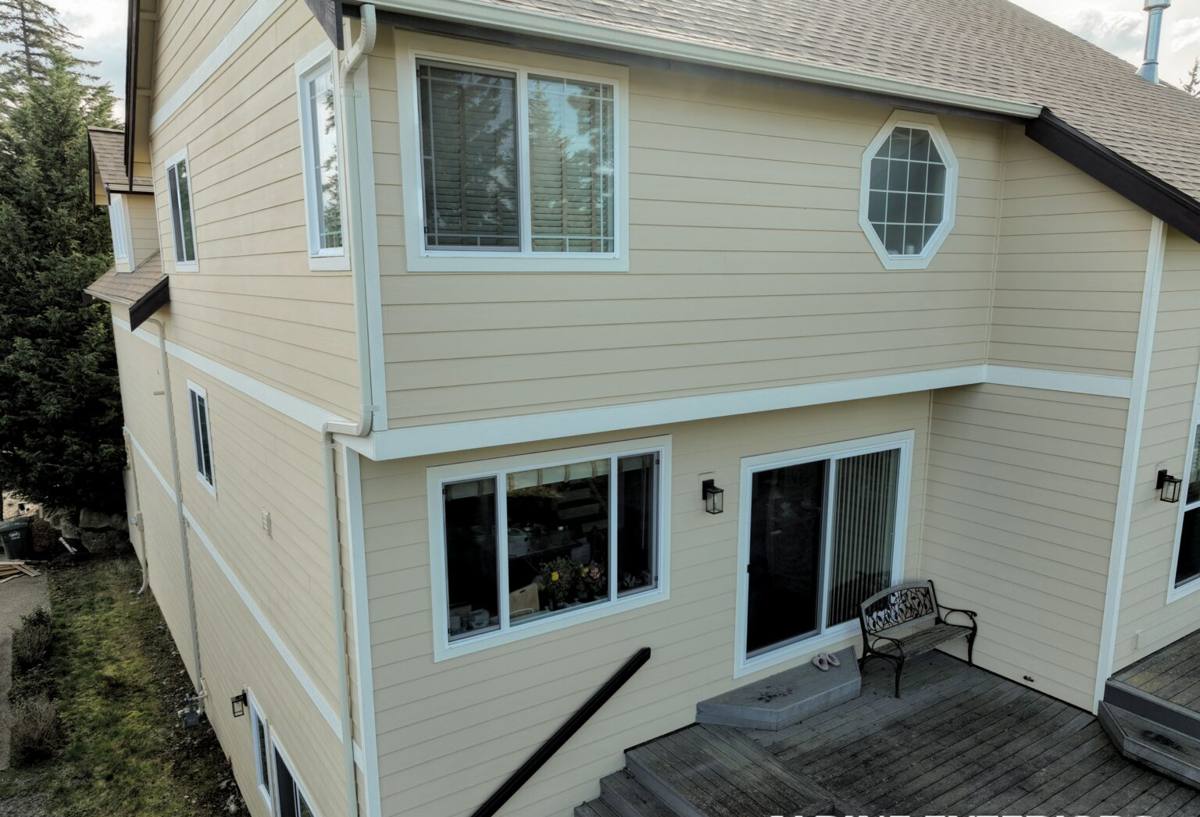
What Salt Air and UV Actually Do to a Deck
Salt Air
Airborne salt is corrosive to metal and it's abrasive to finishes. Fasteners, brackets, ledger flashing, and railing hardware are all exposed to it constantly, not just during storms. Cheap or mismatched hardware on a waterfront deck corrodes faster than the decking itself, and once fasteners start failing, the whole structure is compromised even if the boards on top still look fine.
UV Exposure
Florida sun is hard on any exterior material, and a deck has no roof overhang to shield it. UV breaks down the surface layer of lower-grade composite and wood alike, leading to fading, chalking, and in wood, splintering and graying. The intensity and duration of sun exposure here is a real design factor, not an afterthought.
Wind-Driven Rain and Moisture Cycling
Pinellas County gets heavy, sideways rain during storm season, and a deck near the bay also deals with humidity and dew almost daily. Wood decking swells when wet and shrinks when it dries out, over and over, which loosens fasteners and opens up cracking over time. Composite handles that cycling far better, but only if it's installed with the right gaps, fastening pattern, and substructure underneath it.
Why We Recommend Composite for This Location
We install wood decking elsewhere in the region when a homeowner wants that look and understands the upkeep. But for a Snell Isle property exposed to salt air, sun, and storm-driven rain on a near-daily basis, composite is the material that holds up with the least maintenance burden over the life of the deck. It won't need annual sanding, staining, or sealing, it resists the graying and splintering that wood develops under constant UV, and it doesn't swell and shrink with every rain event the way wood does. The trade-off is a higher upfront cost than pressure-treated lumber, which we're upfront about — but on a waterfront lot, the maintenance savings and stability usually make it the more honest long-term choice.
What Composite Doesn't Solve
Composite decking is not maintenance-free, and it's not immune to bad installation. The boards themselves resist rot and UV damage well, but the fasteners, the framing underneath, and the ledger connection to the house still have to be built correctly for coastal exposure. A composite deck installed with substandard hardware or without proper drainage and airflow underneath will still fail — just more slowly than a wood deck would. The material is only as good as the install.
What a Correct Composite Deck Build Involves Here
Substructure First
The frame underneath the decking matters more than the boards on top. For this location we look at pressure-treated or coated framing material rated for ground contact and coastal exposure, proper joist spacing for the specific composite product (composite generally needs tighter joist spacing than wood — manufacturers publish this and we follow it), and hardware that's rated for coastal/salt exposure, not standard interior-grade fasteners.
Ledger and Attachment
Where the deck attaches to the house is the single most common failure point on any deck, wood or composite. Correct flashing at the ledger board keeps wind-driven rain from getting behind the siding and into the structure. This is a step that's easy to shortcut and expensive to fix later, so we don't shortcut it.
Drainage and Airflow
Standing water and trapped moisture under a deck cause problems regardless of what's on top. We grade and space the substructure so water moves off and away rather than pooling, and we leave enough airflow underneath that the frame can dry out between rain events instead of staying damp.
Fastening the Decking Itself
Hidden fastener systems are common with composite and give a clean surface with no visible screw heads, but they have to be installed to the manufacturer's spacing and gapping specs to allow for thermal expansion — composite expands and contracts with heat more than people expect in Florida sun. Gaps that are too tight cause buckling; gaps that are too wide look sloppy and catch debris.
Railing and Hardware
Railing posts and their connections carry real load, especially in wind. We use hardware rated for the coastal environment and anchor posts according to the manufacturer's engineering, not by eye.
Composite vs. Wood: A Straight Comparison for This Location
| Factor | Composite | Pressure-Treated Wood |
|---|---|---|
| Upfront cost | Higher | Lower |
| Annual maintenance | Occasional cleaning | Sanding, staining/sealing |
| UV fading/graying | Resists better, varies by product grade | Grays and roughens without upkeep |
| Moisture swelling/cracking | Minimal | Common over time |
| Splinter risk | Very low | Increases with age |
| Salt air impact | Board itself largely unaffected; hardware still needs coastal rating | Accelerates weathering and fastener corrosion |
| Typical lifespan with proper install | Long, manufacturer-warrantied | Shorter without consistent upkeep |
Cost Factors Homeowners Should Actually Weigh
We're not going to quote a number here that means nothing without seeing your deck, but these are the real variables that move the price up or down on a Snell Isle composite deck:
- Total square footage and deck shape — cutouts, curves, and multiple levels add labor
- Framing condition — replacing an existing substructure costs more than building on solid new framing
- Height off grade and any required railing or stair runs
- Composite product tier — boards vary in cap-stock quality, color-fastness, and warranty length
- Fastener and hardware grade specified for coastal exposure
- Ledger and flashing work at the house attachment point
- Permitting and any required engineering for waterfront or flood-zone considerations
Get quotes broken down by these categories, not just a single lump sum. A lower bid that skips coastal-rated hardware or uses minimum joist spacing isn't actually cheaper once you account for what it costs to fix later.
What to Check Before You Hire a Deck Contractor Here
- Do they name the specific fastener and hardware grade they'll use, and is it rated for coastal/salt exposure?
- Do they follow the composite manufacturer's published joist spacing and gapping specs, or just "standard" wood spacing?
- Will they pull the required permit for the work?
- Do they address ledger flashing and drainage explicitly, or is it glossed over in the quote?
- Have they built decks on or near the water in Pinellas County before, and can they explain why?
- Is the composite product warranty backed by an installer who's certified or trained on that brand's install requirements?
Why Local Experience on Snell Isle Specifically Matters
A deck built to a generic inland spec doesn't account for what this location deals with every day. Crews that already work Snell Isle and the surrounding St. Petersburg waterfront know which hardware grades actually hold up here, how to detail the ledger and flashing so wind-driven rain during a Gulf storm doesn't find its way behind the siding, and how to space and gap composite boards so Florida's heat and UV don't cause buckling a few summers in. That's knowledge built from doing the work in this exact environment repeatedly — not from a manufacturer's install sheet alone.
It also matters for permitting and inspection. Pinellas County's permitting requirements and inspection expectations for coastal and near-water properties aren't identical to inland jurisdictions, and a contractor who already navigates that process regularly moves your project through it with fewer delays and fewer surprises.
Maintenance: What Composite Still Needs From You
Composite cuts the workload dramatically compared to wood, but "low maintenance" isn't "no maintenance," especially this close to the bay:
- Rinse off salt residue and debris periodically, especially after storms
- Sweep or wash out gaps between boards so debris and moisture don't accumulate
- Check railing hardware annually for corrosion or loosening
- Inspect the underside and ledger area once a year for signs of trapped moisture
- Address any hardware corrosion early — replacing a bracket is cheap, replacing framing isn't
Our Process for a Snell Isle Composite Deck
We start with an on-site assessment of your existing structure (if there is one) or your build site, discuss composite product options and where they fall on cost versus warranty and appearance, and give you a detailed, itemized quote — framing, hardware, decking, railing, and permitting broken out separately so you know exactly what you're paying for. Once you approve the scope, we handle the permit, build the substructure to coastal-appropriate spacing and hardware standards, install the decking to the manufacturer's spec, and walk the finished deck with you before we call the job done.
If you're weighing composite decking for a home on Snell Isle or elsewhere in St. Petersburg, we're happy to walk your property, look at what you're working with, and give you a straight assessment — no pressure, no upsell. Reach out for a free estimate using the form below.