 St. Petersburg Roofing
 Windows Built for Coquina Key's Waterfront Exposure
Coquina Key sits close to the water on nearly every side, which means the homes here take a different kind of beating than houses further inland in Pinellas County. Salt-laden air moves through window frames and hardware year-round, afternoon sun bakes the western and southern exposures for months at a time, and when a tropical system tracks anywhere near Tampa Bay, these homes are among the first to feel wind-driven rain testing every seam around every window. A window that's merely "good enough" somewhere in the Midwest is often undersized for what this neighborhood asks of it.
We install windows in Coquina Key regularly, which matters more than it sounds. Every neighborhood in St. Petersburg has its own quirks — soil movement, block versus frame construction eras, prior renovation habits — and Coquina Key's mix of older canal-front homes and updated interiors means we see a wide range of existing window conditions. Knowing what's common here lets us catch problems before they become callbacks.
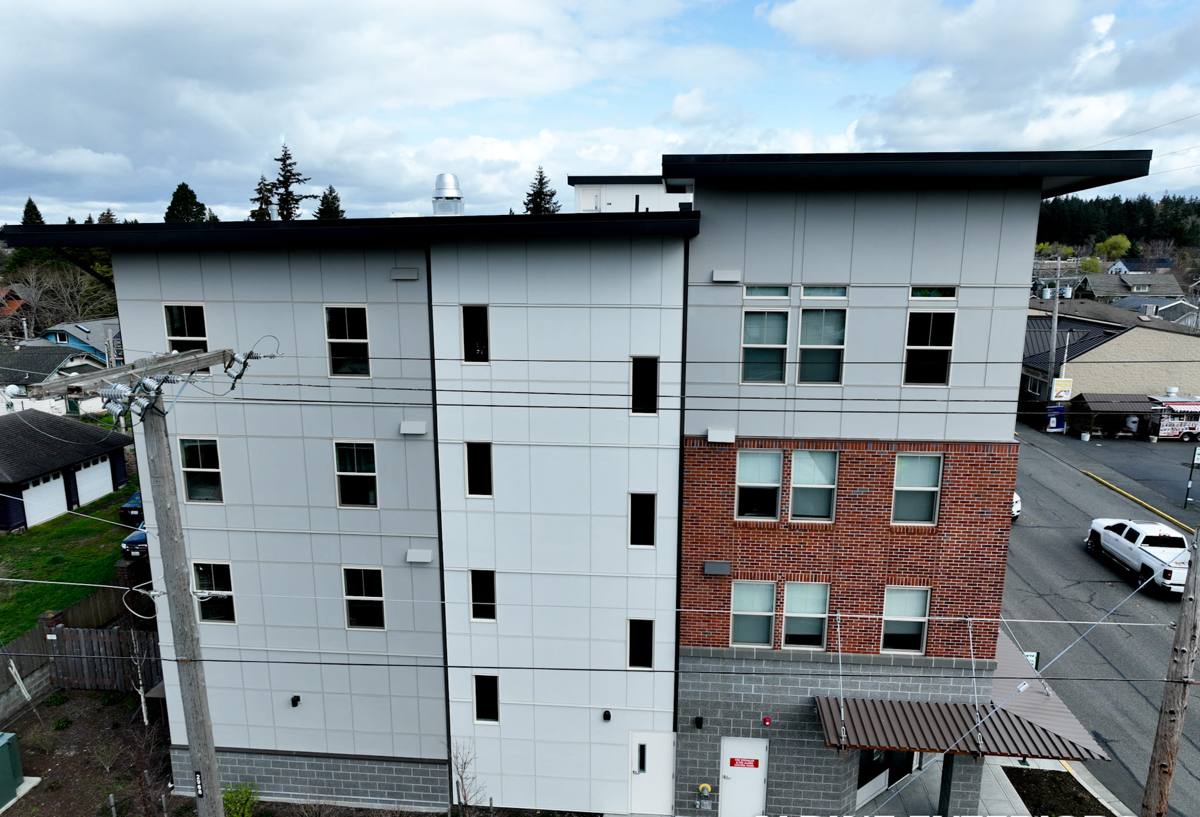
What Florida Building Code Requires Here
Pinellas County enforces the Florida Building Code's high-velocity hurricane zone provisions for wind-borne debris regions, and Coquina Key falls squarely inside that zone. In practical terms, that means replacement windows installed here need to be rated for wind pressure and, in most cases, impact resistance — either impact-rated glass or an approved shutter/protection system paired with the window. This isn't a suggestion or an upsell; it's what a permitted job requires, and it's what keeps your homeowner's insurance premium from creeping up for lack of documentation.
Why This Isn't Optional Near the Water
Wind pressure ratings matter more the closer you are to open water, because wind speeds and debris loads increase with exposure. Coquina Key's canal-front and open-exposure lots often fall into a higher wind pressure category than a similar home a mile inland. We check your specific lot's exposure category before recommending a product, rather than assuming one rating fits every address in the ZIP code.
The Real Enemies of a Window Here: Heat, Salt, and Water
Three things wear out windows faster in this part of Florida than almost anywhere else in the country, and a correct installation has to account for all three.
Intense, Year-Round UV
Unlike northern climates where UV exposure is seasonal, St. Petersburg windows face strong sun essentially every month. UV breaks down inferior vinyl formulations, dries out old glazing compounds, and fades interior finishes near west- and south-facing windows. Low-E glass coatings and UV-stable frame materials aren't a luxury add-on here — they're what keeps a window looking and performing the same in year eight as it did in year one.
Salt Air Corrosion
Coquina Key's canals connect directly to Tampa Bay, and salt carried on the breeze settles on everything, including window hardware. Standard steel fasteners and lower-grade aluminum components corrode faster here than inland. We use corrosion-resistant fasteners and hardware rated for coastal exposure, because a window that operates smoothly is also a window that seals correctly — a lock or hinge that's seized or pitted from corrosion won't compress the seal the way it's designed to.
Wind-Driven Rain
Florida rain doesn't always fall straight down. During storms and even routine summer squalls, wind pushes rain sideways into the building envelope, testing every flashing detail and sealant joint around a window opening. Most water intrusion problems we find in this area don't come from a bad window unit — they come from an installation that didn't properly flash and seal the rough opening before the window ever went in.
What a Correct Installation Actually Involves
A window installation is only as good as the parts nobody sees once it's done. Here's what we do on every job, in order:
- Remove the old window and inspect the rough opening for rot, moisture staining, or framing damage before anything new goes in.
- Repair or rebuild the opening if we find compromised wood, corroded metal studs, or stucco cracking around the frame.
- Install flashing tape and a water-resistive barrier at the sill and jambs, lapped correctly so water sheds outward rather than into the wall cavity.
- Set the window level, plumb, and square and confirm it's fastened per the manufacturer's installation instructions — this is what the permit inspector is actually checking.
- Insulate the gap between the frame and rough opening with a low-expansion foam or backer rod, avoiding gaps that let air and moisture through.
- Seal the exterior perimeter with a compatible, marine-grade sealant rated for coastal UV and salt exposure.
- Finish interior trim and touch-up so the opening looks finished on both sides, not just weathertight.
Skipping or rushing any one of these steps is how a brand-new, correctly rated window still leaks or fails in a storm. The window product only performs as well as the opening it's set into.
Choosing the Right Window for a Coquina Key Home
There's no single "best" window for every house here — the right choice depends on your home's exposure, your budget, and how much upkeep you want to deal with down the road.
| Factor | What to Consider |
|---|---|
| Frame Material | Vinyl resists corrosion and needs little upkeep; aluminum is strong but conducts heat and can corrode faster near salt air without proper coatings; fiberglass costs more but handles heat cycling well. |
| Glass Package | Impact-rated laminated glass protects against debris and reduces the need for separate shutters; Low-E coatings cut UV fade and summer heat gain. |
| Wind Rating | Must match your specific lot's exposure category under Florida Building Code — waterfront and open-exposure lots typically need a higher rating than interior lots. |
| Hardware Grade | Coastal-grade, corrosion-resistant locks and hinges last significantly longer than standard-grade hardware in salt air. |
| Maintenance | Vinyl and fiberglass generally require less periodic upkeep than wood or bare aluminum in this climate. |
We walk homeowners through these trade-offs honestly rather than pushing whatever's easiest to install. If a lower-maintenance option costs more up front but saves you from repainting or hardware replacement every few years, we'll tell you that plainly.
Signs Your Coquina Key Windows Need Attention
- Fogging or moisture between panes of double-glazed units — a sign the seal has failed
- Difficulty opening, closing, or locking, especially after storms or humid stretches
- Visible corrosion or pitting on hardware, tracks, or hinges
- Soft spots, staining, or bubbling paint on the wall or trim around the window
- Drafts or a whistling sound during windy conditions
- Noticeably higher cooling bills without another clear cause
- Cracked or discolored glazing compound and sealant that's pulled away from the frame
Any one of these can mean the window itself needs replacing, or that the original installation is letting moisture into the wall cavity — a distinction worth having a professional confirm before it turns into a bigger repair.
Our Process, Start to Finish
We keep the process straightforward because most homeowners are juggling this alongside everything else going on in their lives:
- Free on-site assessment — we look at your existing windows, openings, and exposure, and measure accurately.
- Honest product recommendation — matched to your home's wind zone requirement and your priorities, not the highest-margin option.
- Written estimate — clear on scope, materials, and timeline, with no vague allowances.
- Permitting — we pull the required Pinellas County permit and coordinate the inspection, since this is code-required work in a wind-borne debris region.
- Installation — typically completed in a single day per window for standard replacements, longer for structural repairs to the opening.
- Final walkthrough — we test every operable window before we call the job done.
What to Expect on Installation Day
We protect flooring and furnishings near each work area, remove old units carefully to limit dust and debris, and clean up thoroughly at the end of each day rather than leaving a job site in disarray overnight. If we uncover hidden rot or framing damage once the old window is out, we'll stop and talk through it with you before proceeding — no surprise charges tacked onto a final invoice.
Why Local Experience in This Neighborhood Matters
A contractor who mainly works inland St. Petersburg or Tampa neighborhoods may not think twice about wind exposure categories or salt-air hardware specs — because their typical job site doesn't demand it. Coquina Key's waterfront lots push those considerations to the front of every project. Crews who work here regularly already know which corrosion-resistant fasteners hold up, how Pinellas County inspectors expect flashing details handled, and which frame materials actually last through a decade of coastal humidity and UV.
That familiarity shows up in fewer surprises during permitting, fewer callbacks for seal failures, and windows that still operate smoothly well after the first hurricane season passes.
Get a Straight Answer on Your Windows
If you're not sure whether your current windows meet code, whether a leak is coming from the window or the wall around it, or simply want a clear-eyed estimate for a Coquina Key window installation, we're glad to take a look. The estimate is free, there's no pressure to sign anything on the spot, and you'll walk away knowing exactly what your home needs — just fill out the form below to get started.