 St. Petersburg Roofing
 Siding Repair in Crescent Lake: What This Neighborhood's Homes Are Up Against
Crescent Lake sits inland from the bay but that doesn't shield it from what Pinellas County throws at exterior siding year-round. Hurricane-force wind events can drive rain sideways into seams and laps that were never built to handle horizontal water pressure. Between storms, the sun does its own kind of damage — St. Petersburg gets some of the most intense, consistent UV exposure in the country, and it doesn't take a break in the off-season. Add in the salt-laden air that drifts inland across the whole Tampa Bay region, and you've got a combination that ages siding faster here than it would in most of the rest of the country.
Homes in this part of St. Petersburg tend to be older, with a fair number built decades before today's wind and moisture codes existed. That's not a knock on the neighborhood — it's just a reason siding here needs a closer look than a quick glance from the curb. Small issues that started as a hairline gap at a butt joint or a fastener that backed out can turn into rot, pest entry, or interior moisture problems if they sit through a few more hurricane seasons unaddressed.
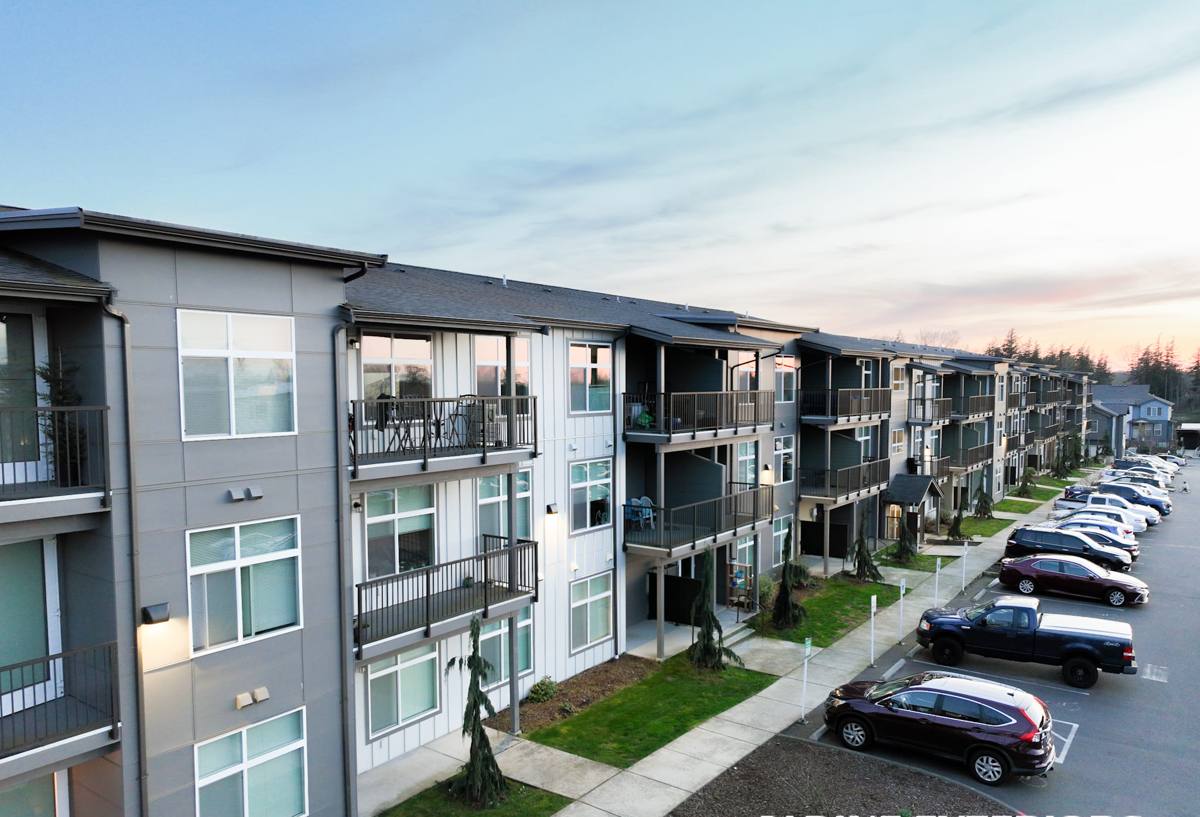
The Kinds of Siding Damage We Find in This Part of St. Petersburg
Every siding repair call is a little different, but in Crescent Lake and the surrounding neighborhoods we see the same handful of failure patterns over and over:
- Wind-driven rain intrusion at seams, corners, and window/door trim where flashing or caulking has failed
- UV-related fading and chalking on older painted wood or lower-grade composite siding, especially on south- and west-facing walls
- Fastener corrosion from salt air, which loosens boards and creates small gaps that let water behind the siding
- Impact damage from wind-thrown debris during storms — cracked, split, or dented panels
- Soft or rotted substrate under siding that looks fine on the surface but has been absorbing moisture for years
- Buckling or warping where siding wasn't installed with proper clearance and expansion room in the first place
The tricky part is that several of these look cosmetic from the ground. A discolored patch or a slightly proud board doesn't always announce that there's a moisture problem behind it. That's why a real inspection means getting close, checking the substrate, and sometimes pulling a board rather than just repainting or caulking over what's visible.
Repair or Replace? How We Make That Call
Not every damaged section needs a full re-side, and we're not going to tell you it does. But there's a point where patch repairs stop being cost-effective and start being a way of delaying an inevitable, larger job. Here's how we think through it:
| Factor | Leans Toward Repair | Leans Toward Replacement |
|---|---|---|
| Extent of damage | Isolated to a few boards or one elevation | Spread across multiple walls or the whole house |
| Substrate condition | Dry, solid wood sheathing underneath | Soft, rotted, or water-stained sheathing found during inspection |
| Siding material | Matching material is available or repair blends acceptably | Original material is discontinued, mismatched, or failing as a system |
| Age of existing siding | Siding is relatively young and otherwise sound | Siding is near or past its expected service life |
| Storm exposure going forward | Repair restores proper water management | Underlying installation has recurring, systemic weak points |
We'll walk you through where your home lands on that table honestly, with photos and a plain explanation — not a sales pitch toward the bigger job.
What a Correct Siding Repair Actually Involves
A repair that actually holds up in this climate is more than swapping a cracked board for a new one. Done right, it includes:
- Checking the substrate behind the damaged area with a moisture meter, not just a visual look
- Confirming house wrap or weather-resistant barrier is intact and properly lapped before new siding goes back on
- Correcting flashing at windows, doors, and penetrations if that's what let water in to begin with
- Matching board profile, exposure, and — where James Hardie ColorPlus siding is already on the home — factory finish, so the repair doesn't stand out
- Fastening per manufacturer spec, with corrosion-resistant fasteners appropriate for a coastal-influenced climate
- Sealing and caulking at the right joints only — over-caulking siding can trap moisture instead of shedding it
Skip any of those steps and you're likely to be back at the same spot in a year or two, except now there's a fresh coat of paint or caulk hiding the same underlying problem.
Why Every Repair and Replacement We Do Uses James Hardie Fiber Cement
We install James Hardie fiber cement exclusively — we don't install vinyl, LP SmartSide, Cemplank, Allura, or primed wood siding. That's a deliberate standard, not a limitation. When a repair calls for new boards, or when damage is extensive enough that patching isn't the right answer, we rebuild with Hardie product for a few specific reasons that matter in a hurricane- and sun-exposed market like this one.
Fiber cement doesn't burn, doesn't absorb water the way wood-based products can, and holds its shape in heat and humidity swings better than vinyl, which can warp or soften in intense, sustained sun. James Hardie's HZ product lines are engineered for specific climate zones, including the wind and moisture demands of coastal and hurricane-prone regions like Pinellas County. The ColorPlus factory finish is baked on and warranted separately from the substrate, so a repair section can be matched and expected to hold its color the same way the rest of the wall does — something field-painted repairs on other materials struggle to replicate.
We're not going to tell you every other siding product is worthless — vinyl and engineered wood both have legitimate uses and reasonable price points. But when we're the ones doing the installation and standing behind the work, fiber cement is what we've seen hold up best against wind, rain, sun, and salt air over the long haul, and it's the only system we put our name on.
Our Process for a Crescent Lake Siding Repair
- Inspection: We look at the damaged area and the surrounding siding, check the substrate, and identify the actual cause — not just the visible symptom.
- Written estimate: You get a clear scope of work and price before anything starts, including whether we recommend repair or a larger replacement and why.
- Material matching: For homes already on Hardie siding, we match board profile and ColorPlus color. For homes transitioning off another material, we discuss options honestly.
- Repair work: Substrate correction if needed, proper flashing and water management, new boards installed to manufacturer spec.
- Final walkthrough: We check the repair with you before calling the job done, not before we leave the site.
Why Local Experience in Crescent Lake Matters
A lot of the housing stock in this neighborhood and the surrounding parts of St. Petersburg is older, with mature tree canopy overhead and lot layouts that don't always match what a crew used to newer suburban construction expects. That affects everything from how we stage material and equipment to how we handle siding that's tied into original trim details worth preserving rather than replacing wholesale.
Crews that work Pinellas County regularly also know the permitting realities in St. Petersburg specifically — when a repair is minor enough to proceed without a permit and when the scope crosses into replacement work that does require one. We pull permits whenever the job calls for it and won't cut that corner to save time, because inspections exist for a reason in a wind zone like this one.
Keeping Your Siding in Good Shape After the Repair
A good repair buys you years, but a little attention afterward buys you more. Between our visits, here's what's worth checking on your own:
- Rinse siding periodically to clear salt residue and airborne grime, especially after storms
- Walk the exterior after major wind events and look for loose boards, new gaps, or debris impact
- Keep gutters clear so overflow isn't running down siding repeatedly
- Trim vegetation back from walls to reduce trapped moisture and abrasion
- Address small caulking gaps at trim and penetrations before the next rainy season, not after
- Call for an inspection if you notice soft spots, discoloration, or a musty smell near an exterior wall
Get a Straight Answer on Your Crescent Lake Siding
If you're dealing with storm damage, aging siding, or a spot that just doesn't look right anymore, we're happy to take a look and tell you honestly what it needs — repair, partial replacement, or nothing urgent at all. Reach out for a free, no-pressure estimate using the form below.