 St. Petersburg Roofing
 Windows Built for Bartlett Park's Real Conditions
Bartlett Park is one of St. Petersburg's established residential neighborhoods, and like most of the city, it sits close enough to the water that every window on every home is doing real work year-round. It isn't just about looks. Windows here have to hold up against hurricane-force wind gusts during storm season, shrug off wind-driven rain that gets forced sideways into wall openings, survive months of intense subtropical UV that breaks down cheap seals and frames, and resist the slow corrosive effect of salt-laden air blowing in off the Gulf and Tampa Bay. A window that would be perfectly fine in most of the country can fail in Pinellas County within a few years if it wasn't built or installed with this climate in mind.
A lot of the homes in Bartlett Park were built decades ago, before impact glass, modern low-E coatings, or today's window flashing methods were standard practice. That means many of the original openings are non-standard sizes, the framing around them has settled or shifted slightly over the years, and the windows themselves — even if they've been replaced once already — may not be doing what a St. Petersburg home actually needs. Custom windows solve the sizing and performance problem at the same time, which is exactly why we treat this as a distinct job from a big-box "standard size" window swap.
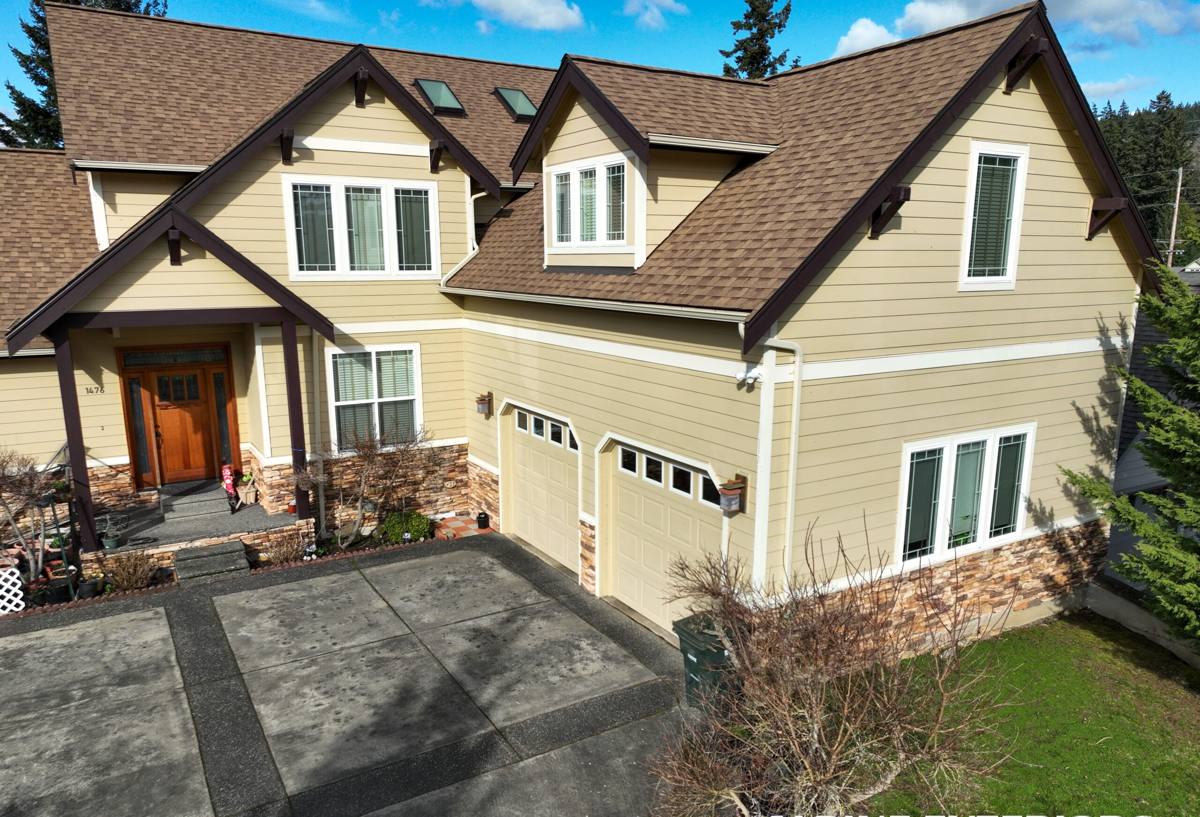
Signs Your Current Windows Are Working Against You
Most homeowners don't think about their windows until something forces the issue. In our experience working on homes throughout St. Petersburg and Pinellas County, these are the most common warning signs:
- Fogging or a milky haze between the panes of a double-pane window — the seal has failed and the insulating gas is gone
- Windows that are hard to open, stick in the track, or won't latch flush anymore
- Visible daylight or a draft around the frame even when the window is closed and locked
- Chalky, pitted, or corroded aluminum frames — a common effect of long-term salt air exposure
- Wood trim or drywall near the window that's soft, stained, or discolored, which usually points to water intrusion during storms
- A noticeable jump in cooling costs during the hottest months without any other change to the home
Any one of these is worth a look. Two or three together usually mean the windows are past the point where caulk and weatherstripping will fix the problem.
What "Custom" Actually Means Here
It's Not a Marketing Word
"Custom" gets used loosely in this industry, so it's worth being specific about what it means on a job like this. On an older Bartlett Park home, the rough openings for windows are rarely a perfect match for today's stock sizes. Decades of settling, prior repairs, or additions can leave every opening on the same house slightly different from the next. A true custom window is manufactured to the exact dimensions of each individual opening after it's field-measured, rather than picked off a size chart and forced to fit with shims, extra trim, or gaps packed with foam.
Why That Matters for Performance
Ill-fitting windows are where wind-driven rain gets in during a tropical storm and where conditioned air leaks out every other day of the year. A properly sized custom window seats correctly against the opening, allows for correct flashing and sealant application, and lets the frame's designed wind and water resistance actually function the way it was engineered to. A window with a great pressure rating on paper won't perform to that rating if it's installed into an opening it doesn't actually fit.
Material and Glass Options
There isn't one "right" window for every home — it depends on the home's age, exposure, and what the homeowner is trying to solve. Here's how the common options compare for a St. Petersburg property:
| Frame Material | How It Handles the Climate | Trade-Offs |
|---|---|---|
| Impact-rated vinyl | Won't corrode from salt air; good insulation; strong resistance to wind-borne debris when rated correctly | Heavier sightlines than some homeowners want on a historic-style facade |
| Aluminum | Slim profile, strong frame-to-glass ratio | Prone to pitting and corrosion near the coast over time unless it's a marine-grade finish; conducts heat more than vinyl |
| Fiberglass | Very stable in heat and humidity, minimal expansion/contraction | Higher upfront cost than vinyl |
| Wood or wood-clad | Traditional look for older architectural styles | Needs consistent maintenance in this humidity; more vulnerable to moisture damage without diligent upkeep |
On the glass side, impact-rated laminated glass is the baseline we recommend for anything facing weather exposure, paired with a low-E coating to cut down on the UV load and heat gain that Florida sun puts on a home nearly every day of the year. The coating doesn't change how the window looks from the street, but it makes a real difference in fading of interior flooring and furniture, plus a noticeable dent in cooling bills.
Impact Ratings, Permits, and Building Code Basics
Much of coastal Pinellas County falls within Florida's wind-borne debris region, which means permitted window replacements typically need to either use impact-rated glass or be paired with code-approved protection. This isn't a sales upsell — it's a permitting requirement enforced by the local building department, and it exists because ordinary glass and light-duty frames are a documented failure point during hurricanes, both from wind pressure and from debris impact.
What this means practically for a Bartlett Park project:
- Every custom window we install is specified with a wind-load and impact rating appropriate to the home's location and exposure
- We pull the required permit and schedule the inspection — this protects you if you ever sell the home and a buyer's inspector checks for permitted work
- Product approval documentation (Florida Product Approval or Miami-Dade NOA where applicable) travels with the paperwork, not just a verbal assurance
Skipping permits to save time is one of the most common shortcuts we see homeowners get burned by later, usually when they go to sell and the buyer's inspection flags unpermitted window work.
How the Process Works, Start to Finish
1. Walkthrough and Measurement
We look at every opening individually, not just the total count. Older homes often have subtle variations from window to window, and we're checking the condition of the surrounding framing at the same time — that's often where hidden water damage from years of wind-driven rain shows up.
2. Product Selection
We talk through frame material, glass package, and style based on how exposed that side of the house is, what the home's architecture calls for, and your budget. This is also where we flag anything the local permitting office will require for your specific address.
3. Manufacturing
Because these are custom-built to your exact openings rather than pulled off a shelf, there's a lead time between order and delivery. We'll give you a realistic timeline up front rather than a best-case guess, since delays here are almost always on the manufacturing side, not ours.
4. Permitting
We handle the permit application and documentation with the local building department so the paperwork trail exists if you ever need it.
5. Installation
Proper installation means correct flashing, sealant, and fastening for a coastal wind zone — not just setting the window in the opening and caulking around the edge. This step is where most of the long-term performance is won or lost, regardless of how good the window itself is.
6. Final Inspection and Walkthrough
The permitted inspection confirms the work meets code. We also walk the job with you so you know how to operate and maintain the new windows.
Cost Factors to Expect
We don't publish flat per-window pricing because the real cost depends on several variables that differ from house to house. Here's what actually moves the number:
| Factor | Why It Affects Cost |
|---|---|
| Opening size and shape | Larger or non-standard openings require more material and custom fabrication |
| Frame material | Vinyl, aluminum, and fiberglass are priced differently; fiberglass generally runs higher |
| Impact rating requirement | Impact-rated glass and reinforced frames cost more than non-impact options but may reduce or eliminate the need for separate storm protection |
| Number of openings | Doing a full-home replacement at once is typically more cost-efficient per window than piecemeal jobs |
| Condition of existing framing | Rot, prior water damage, or out-of-square openings add repair time before the new window can go in |
| Trim and finish work | Matching existing interior or exterior trim adds labor beyond the window unit itself |
Broadly, homeowners should expect a wide range depending on these factors — a single small custom window is a very different job than replacing every window on an older home with full impact-rated units. We'll give you a specific, itemized number after we've actually measured your openings, not a phone estimate.
What to Look for in a Bartlett Park Window Contractor
Not every contractor who advertises "window replacement" is set up to do custom, code-compliant work in a coastal wind zone. Before you hire anyone for this kind of project, check for the following:
- Active Florida contractor license appropriate for the scope of work, and proof of insurance
- Willingness to pull permits themselves rather than asking you to pull an owner-builder permit
- A written proposal that specifies the exact product line, glass package, and wind/impact rating — not just "hurricane windows"
- References or completed work you can actually verify, not just a claim of experience
- A clear answer on who handles warranty service if something goes wrong after installation — the manufacturer, the installer, or both
- Familiarity with older home construction typical of established St. Petersburg neighborhoods, since these homes often need extra care around framing and trim
A crew that already works regularly in this part of Pinellas County will recognize the framing quirks and permitting requirements specific to the area faster than an out-of-town outfit unfamiliar with local code enforcement and inspection expectations.
Maintenance After Installation
Even a well-installed, correctly rated window still needs basic upkeep in this climate. Salt air and humidity don't stop working once the installation is done.
- Rinse frames and hardware periodically, especially if the home is on a street with direct exposure to salt spray or open water views
- Check and clean weep holes so water drains properly instead of pooling at the sill
- Inspect exterior sealant annually, particularly after hurricane season, and have any cracked caulking addressed before it becomes a leak path
- Operate hardware regularly so locks and rollers don't seize from disuse
A quality installation with the right materials should need very little beyond this kind of routine care for many years.
If your Bartlett Park home has windows that are original, aging, or simply not performing the way they should during a Florida summer or storm season, we're glad to walk the property, measure the openings, and give you a straight answer on what it would take to fix it right. The estimate is free and there's no pressure to move forward — fill out the form below and we'll set up a time to come take a look.