 St. Petersburg Roofing
 Deck Replacement for Shore Acres Homes
Shore Acres sits close to the water on the north side of St. Petersburg, and that proximity shapes what a deck has to put up with year after year. Between the humidity off Tampa Bay, the salt-laden air, intense summer sun, and the wind and rain that come with our hurricane season, an aging deck in this neighborhood doesn't fail gracefully — it fails fast once the wood or fasteners start to go. St. Petersburg Roofing Co. replaces decks for homeowners throughout Shore Acres and the surrounding Pinellas County waterfront, and we build every one to handle exactly this kind of exposure, not generic inland conditions.
A deck replacement is more than swapping old boards for new ones. Done right, it means evaluating the structure underneath, matching materials to how much sun and moisture that specific spot on the property gets, and fastening everything to hold up in wind gusts that regularly outpace what a deck built to minimum code sees in other parts of the state. We walk you through all of that before a single board comes off.
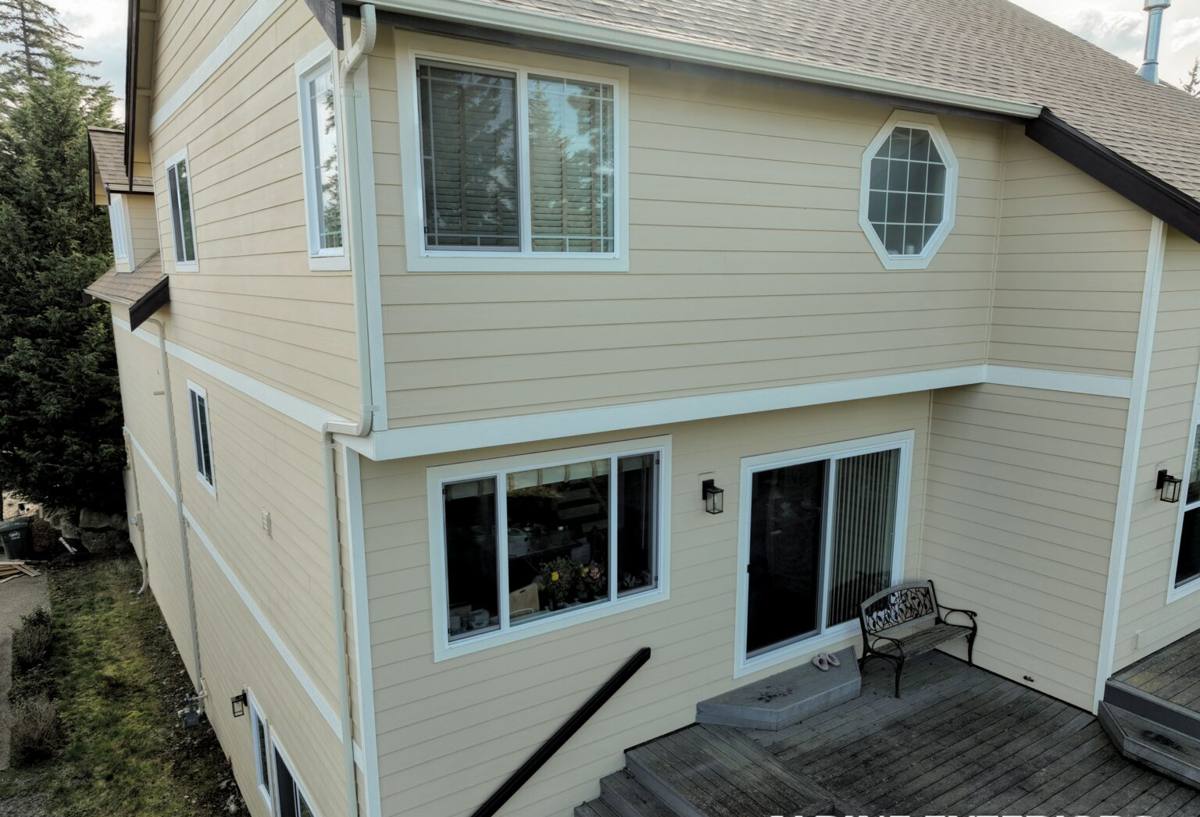
Why Shore Acres Decks Wear Out Differently
Homes near the water age their exterior components faster than homes even a few miles inland, and decks are one of the first things to show it. A few specific stressors we see repeatedly on Shore Acres jobs:
- Salt air corrosion — fasteners, brackets, and hidden hardware corrode faster this close to the bay, even when the wood itself still looks fine on the surface.
- UV breakdown — year-round sun bakes the lignin out of wood fiber and breaks down the resins in composite decking, leading to graying, splintering, or surface chalking well before the structure itself is unsound.
- Wind-driven rain intrusion — storms here don't just rain down, they rain sideways, which pushes water into ledger connections, post bases, and butt joints that a mild-climate deck design never has to resist.
- Ground moisture and humidity — high ambient humidity keeps framing lumber damp longer after every rain, accelerating rot at ground-contact posts and under-deck framing that isn't ventilated well.
- Storm wind loading — Pinellas County sees real hurricane-force wind events, and a deck's railing posts, ledger attachment, and post-to-footing connections all need to be sized and fastened for that, not just for foot traffic.
None of this means a deck can't last in Shore Acres — it means the details that get skipped on a budget rebuild are exactly the details that matter most here.
What This Means for an Aging Deck
If your deck is more than 12-15 years old, was built with untreated fasteners, or has never had the ledger board or post bases inspected, there's a good chance problems exist below what you can see from the surface. Soft spots, a springy feel when walking across certain boards, rust staining around fastener heads, and gaps opening up at the ledger-to-house connection are all signs worth having looked at before they become safety issues.
Signs Your Shore Acres Deck Needs Replacing, Not Just Repair
Not every deck problem calls for a full tear-off. But there's a point where patching individual boards just delays a bigger cost and, more importantly, stops addressing whether the deck is actually structurally sound. Here's how we tell the difference on-site:
| Condition | Usually Repairable | Usually Needs Replacement |
|---|---|---|
| Isolated cracked or splintered boards | Yes | — |
| Soft, spongy framing under the decking | — | Yes |
| Rust streaking at multiple fastener locations | Sometimes | Often, if widespread |
| Ledger board separating from the house | — | Yes — safety issue |
| Surface graying or fading on composite/wood | Yes (cleaning/refinish) | — |
| Posts or footings showing rot or movement | — | Yes |
| Railings loose or wobbly at multiple points | Sometimes | Often, if structural |
When in doubt, we'll tell you honestly which category your deck falls into. There's no reason to pay for a full replacement if a targeted repair genuinely solves the problem, and we'd rather keep your trust for the long run than upsell a job you don't need.
Material Choices That Actually Hold Up Here
Deck material selection matters more in a coastal, high-UV climate than almost anywhere else. We talk through trade-offs honestly with every Shore Acres homeowner rather than pushing one product line.
Pressure-Treated Wood
Still the most budget-friendly option and, when properly maintained, performs well. The trade-off is upkeep: it needs to be sealed or stained on a regular schedule to resist the UV and moisture cycling this area sees, and skipping that maintenance is the single biggest reason wood decks fail early here.
Composite Decking
Composite boards resist rot and don't need staining, which appeals to a lot of coastal homeowners who don't want a recurring maintenance chore. The trade-off is upfront cost and the fact that composite still needs correct ventilation underneath — trapped moisture against a composite board in our humidity can cause issues at fastener points even though the board itself won't rot.
Tropical Hardwoods
Very dense, naturally rot- and insect-resistant woods hold up well to salt air and UV, but they're a premium option, and they demand precise installation — pre-drilling, correct fastener choice, and proper spacing for movement — because they behave differently than treated pine during installation.
Our Position on Fasteners and Hardware
Regardless of decking material, we standardize on stainless or high-grade coated fasteners and structural connectors rated for coastal exposure. This is a place where cutting cost shows up as rust streaks and loosening boards within a couple of years, and it's not worth the savings.
What a Correct Deck Replacement Involves
A deck replacement that's built to last in Shore Acres conditions follows a specific sequence — skipping steps is how decks end up needing another rebuild in under a decade.
- Full tear-off and structural inspection — removing old decking to inspect the ledger board, joists, posts, and footings before anything new goes on.
- Ledger board reattachment and flashing — this is the connection point most responsible for catastrophic deck failures nationwide, and it gets properly flashed and lag-bolted or through-bolted to the house structure, not just nailed.
- Post and footing evaluation — checking footing depth and condition, and replacing any post showing rot or insect damage rather than resetting a compromised post.
- Framing with coastal-rated hardware — joist hangers, post bases, and structural screws rated for the corrosion exposure this area sees.
- Proper ventilation underneath — spacing and grading that lets air move under the deck so moisture doesn't sit against framing.
- Decking installation matched to material specs — correct board spacing for expansion/contraction, correct fastener pattern, and attention to how the material will behave in full sun exposure.
- Railing and stair connections built for wind load — not just code minimum, but attention to how this specific deck sits relative to prevailing wind and storm exposure.
- Final walkthrough — we go over the finished deck with you, including what maintenance (if any) the material you chose will need going forward.
Our Process for Shore Acres Homeowners
We keep the process straightforward because a deck replacement is disruptive enough to a household without added confusion:
- On-site inspection and honest assessment of whether you need repair or full replacement
- Written estimate that breaks out material and labor so you can compare options clearly
- Material walkthrough — we explain the real trade-offs for your specific spot, sun exposure, and budget
- Scheduled tear-off and rebuild, with a realistic timeline given weather and permitting
- Permit handling where required by the county or city
- Final inspection and walkthrough before we consider the job done
Permits and Local Requirements
Deck replacements in St. Petersburg and unincorporated Pinellas County generally require permitting, particularly when structural elements like framing, footings, or railings are being rebuilt rather than just the decking surface. Permit requirements and wind-load standards are based on local building code, which accounts for the hurricane exposure this part of Florida faces. We handle the permit process as part of the job so you're not left navigating that separately, and we build to the load and connection standards those permits require — not just what's visually acceptable.
Why a Crew That Already Works Shore Acres Matters
Deck work here isn't identical to deck work forty miles inland. A crew that regularly works this neighborhood already understands which fastener grades hold up against the salt air, how footing conditions tend to run given the water table this close to the bay, and what wind exposure looks like on a property depending on which direction it faces relative to open water. That familiarity shows up in fewer surprises during the tear-off, more accurate estimates upfront, and a finished deck that's actually built for the conditions it will sit in — not a generic spec sheet.
It also means we're a known, findable local business if any question comes up after the job is finished, rather than a crew that did one job in the area and moved on.
Maintaining Your New Deck in a Coastal Climate
Whatever material you choose, a few habits extend its life significantly in this climate:
- Rinse salt residue and debris off the deck surface periodically, especially after storms
- Keep gutters and downspouts nearby clear so runoff doesn't pool against the deck structure
- Re-seal or re-stain wood decking on the schedule the product calls for — don't wait until it visibly fades
- Check railing posts and stair connections annually for movement or loosening
- Keep the area underneath the deck clear of stored debris so air can circulate and moisture doesn't sit trapped
Get a Straight Answer on Your Deck
If your Shore Acres deck is showing its age, soft in places, or you're just planning ahead of the next storm season, we'll come take an honest look and tell you what it actually needs. Reach out for a free, no-pressure estimate using the form below.