 St. Petersburg Roofing
 Building a Deck That Actually Holds Up in Disston Heights
Disston Heights is one of St. Petersburg's older, more established residential pockets — mid-century ranch homes, mature oak canopy, and yards that have had decades to settle into their final grade. That combination is great for curb appeal and terrible for a poorly built deck. Between the shade cover, the humidity it traps, and the wind and salt air that reach every part of the Pinellas peninsula regardless of how far you are from open water, a deck out here takes a different kind of beating than a deck in a newer, treeless subdivision. A deck that's just "built to code" on paper and a deck that's actually built for this neighborhood are two different projects, and the difference shows up in year three or four, not on installation day.
This page covers what we look at, what we build differently, and what to expect when the project is a custom deck for a home in this specific part of St. Petersburg.
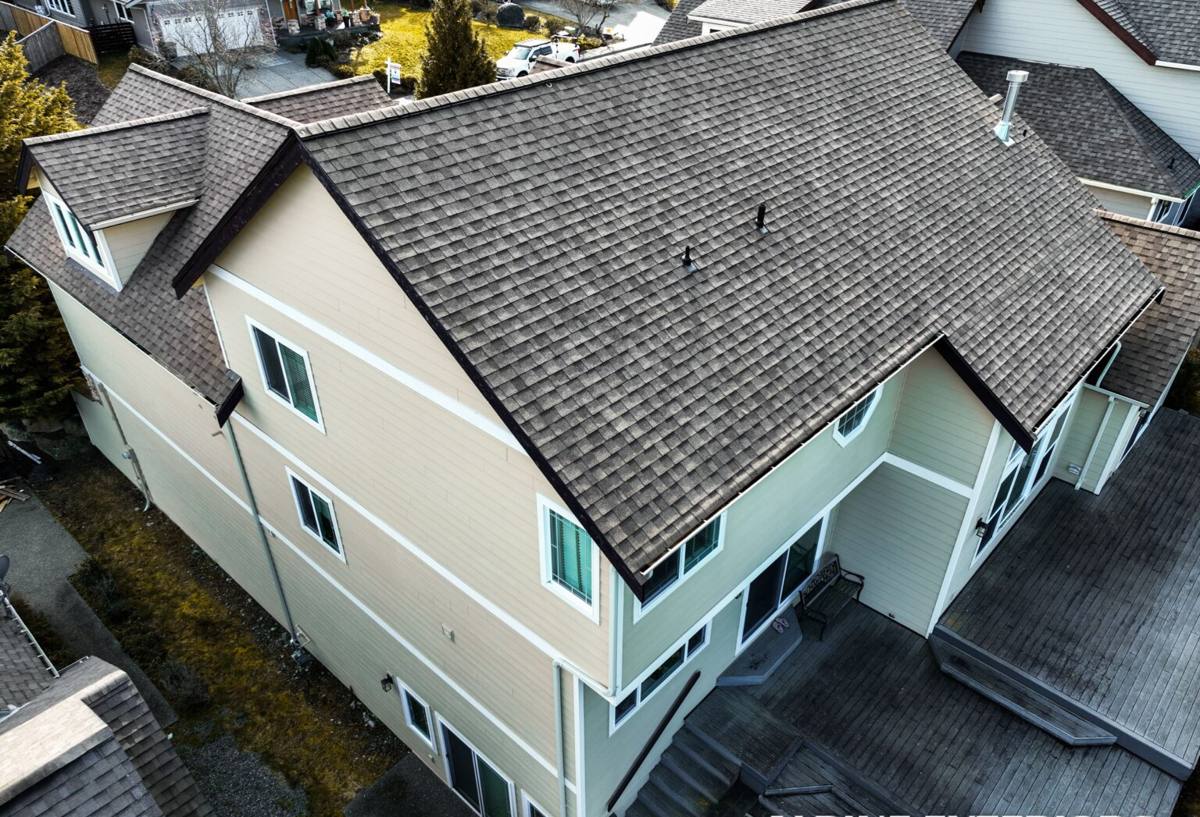
What a Disston Heights Deck Is Actually Up Against
Sun and heat
Florida sun is intense and it doesn't take a season off. UV exposure breaks down cheap sealers, fades wood color unevenly, and — on decking surfaces that get direct afternoon sun — can make certain materials genuinely uncomfortable to walk on barefoot. Homes with less tree cover in this neighborhood see this faster than shaded ones.
Wind and storm loads
Pinellas County sits in a high wind zone, and St. Petersburg's building code reflects that. A deck isn't just resisting people standing on it — it has to resist uplift and lateral load in a hurricane-force wind event without the railing, stairs, or ledger connection failing. This is a structural question, not a cosmetic one, and it's where a lot of older or DIY decks fall short.
Shade, moisture, and tree debris
The mature oak canopy that makes Disston Heights streets so pleasant also means decks here often sit under partial shade for much of the day. Shade slows evaporation after rain, which means framing and decking stay damp longer than they would in full sun. Add leaf litter and pollen collecting in board gaps and against the house, and you've got a setup for rot and mildew if the deck wasn't built with drainage and airflow in mind.
Salt air, even inland
You don't have to be waterfront for salt air to matter. St. Petersburg sits on a peninsula surrounded by Tampa Bay and the Gulf, and airborne salt travels well inland, accelerating corrosion on any fastener, bracket, or hinge that isn't rated for it. We see this show up as rust streaks and loosening hardware on decks that were built with standard interior-grade fasteners.
Practical takeaway
None of these on their own is unusual for Florida. What makes a Disston Heights deck specifically demanding is that a lot of homes here deal with two or three of these factors at once — heavy shade and wind exposure and salt air — on a lot that was graded for a house built decades before anyone thought about an outdoor living space.
What Correct Construction Actually Involves
Footings and framing
Footings need to be sized and set for the actual soil and load conditions on the lot, not guessed at. On established Disston Heights lots we're often working around existing landscaping, irrigation lines, and root systems from mature trees, which affects exactly where footings can go without compromising a tree's root zone or the deck's structural integrity. Joist spacing and beam sizing then get set based on the decking material chosen — composite and PVC generally require tighter joist spacing than wood.
Fasteners and hardware
Given the salt air issue above, we don't treat fastener selection as an afterthought. Hot-dip galvanized or stainless connectors and coated deck screws rated for coastal exposure cost more up front than standard hardware, but replacing rusted-out joist hangers under a finished deck is a much bigger job than paying for the right hardware the first time.
The ledger connection
Where the deck attaches to the house is the single most common failure point on a poorly built deck, and it's also a leading cause of water intrusion into the house itself if it's flashed wrong. Proper ledger attachment means correct fasteners into structural framing (not just siding), continuous flashing that sheds water away from the house, and — for many homes in this area — confirming what's actually behind the exterior wall before drilling into it.
Guardrails and stairs
Railings and stairs are where code compliance and everyday safety overlap. Baluster spacing, railing height, and stair rise/run all have to meet Florida Building Code requirements, and they need to actually hold up to someone leaning on them during a windy afternoon, not just pass a visual inspection.
Choosing a Decking Material for This Climate
There's no single "best" decking material — there's a best fit for your budget, how much maintenance you want to take on, and how much direct sun the deck actually gets. Here's how the common options stack up for a shaded-to-partial-sun Disston Heights lot:
| Material | Upfront Cost | Maintenance | Heat Underfoot | Salt/Moisture Behavior |
|---|---|---|---|---|
| Pressure-treated wood | Lowest | Annual cleaning and re-sealing recommended | Moderate | Needs sealing to resist moisture and rot; shaded areas need extra attention to prevent mildew |
| Capped composite | Mid to upper | Occasional washing, no sealing/staining | Can run hot in full sun; less of an issue in shaded yards | Resists rot and moisture well; check warranty terms for coastal/salt exposure |
| PVC/vinyl decking | Highest | Lowest — washing only | Similar to composite, varies by color | Fully synthetic, handles moisture and salt exposure with minimal degradation |
For heavily shaded yards, which describes a good number of lots in this neighborhood, wood needs closer attention to mildew and staining since it dries out more slowly. For decks that get more direct afternoon sun, composite or PVC in a lighter color keeps surface temperatures more reasonable. We'll walk your specific lot and sun exposure before recommending one over another rather than defaulting to whatever's cheapest to install.
Permitting and Code in St. Petersburg and Pinellas County
Decks in the City of St. Petersburg require a building permit in almost all cases, with plans that show footing sizes, framing layout, and connection details sized for the local wind zone. Pinellas County's high wind requirements mean a deck built to a generic national plan set often needs to be re-engineered for local conditions — this isn't extra red tape for its own sake, it's the same standard your roof and windows are held to. Depending on lot elevation and proximity to flood zones, there can also be additional review. We handle the permit submission and inspections as part of the job rather than leaving it to the homeowner to sort out separately.
Design Choices That Make Sense for a Neighborhood Like This
Working with the tree canopy, not against it
Removing a mature oak to make a deck project easier is rarely the right call — that canopy is a big part of what makes these lots comfortable in the summer. Instead, we plan footing placement, deck orientation, and gaps in the decking boards to work around root zones and let leaf litter clear instead of collecting.
Drainage away from the house
On older lots, grading has often shifted over the decades. Part of a proper deck build is confirming that water shed off the deck and roofline is actually moving away from the foundation, not pooling against it — a bigger deal in a neighborhood that gets heavy, fast summer downpours.
Matching the house
Disston Heights' ranch-style housing stock tends to sit low to the ground, so deck height, stair placement, and railing style usually work best kept simple and proportional to the house rather than oversized or overly ornamental.
How We Approach a Disston Heights Deck Project
- Site visit and assessment — we look at sun exposure, tree root zones, grading, and how the deck will attach to the house before recommending materials or a layout.
- Design and material selection — sized to your actual budget and maintenance preference, not a one-size template.
- Permit and engineering — plans submitted to the City of St. Petersburg, engineered to Pinellas County's wind load requirements where required.
- Construction — footings, framing, decking, and railings built in that order, with hardware and fasteners chosen for coastal exposure.
- Inspection and walkthrough — final city inspection, then a walkthrough with you covering how the specific material you chose should be cared for.
Keeping a Florida Deck in Good Shape
Whatever material you choose, a little seasonal attention goes a long way in this climate:
- Clear leaf litter and debris from board gaps and against the house ledger regularly, especially under heavy tree cover
- Check railing and stair connections for looseness once or twice a year — salt air corrosion works on hardware before it's visible on the surface
- For wood decking, re-seal on the manufacturer's recommended schedule; shaded sections often need it more often than sun-exposed ones
- For composite or PVC, wash off pollen and mildew buildup with mild soap and water rather than a pressure washer set too aggressively
- After any major storm, do a quick visual check of the ledger flashing and footing area for shifting or water pooling
Why Hiring a Crew That Already Works This Neighborhood Matters
A deck project in Disston Heights runs into the same handful of issues over and over: shaded lots that need drainage and material choices adjusted accordingly, mature trees that require thoughtful footing placement, older homes where the ledger attachment needs extra care, and permit review that holds every deck to Pinellas County's wind standards. A crew that's already built decks on streets like yours has already worked through those issues and isn't learning on your project. That local familiarity tends to mean fewer surprises mid-build and a permit process that goes smoother because the plans are right the first time.
If you're planning a custom deck in Disston Heights, we're happy to walk your yard, talk through material options honestly — including the trade-offs, not just the upsides — and put together a straightforward estimate. There's no pressure and no obligation; use the form below to get started.