 St. Petersburg Roofing
 Disston Heights Sits in One of Florida's Toughest Climates for Siding
Disston Heights is one of St. Petersburg's established residential neighborhoods, and like the rest of Pinellas County, it takes a beating from weather most of the country never has to plan for. Homes here deal with hurricane-force wind gusts during storm season, intense sun nearly every day of the year, wind-driven rain that finds its way into any gap in a building envelope, and a steady dose of salt air rolling in off the Gulf. Siding that isn't built for that combination doesn't just look tired after a few years — it fails, and often in ways that aren't obvious until water is already inside the wall.
This page is specifically about fiber cement siding for homes in Disston Heights: what the local climate demands from it, what a correct installation actually involves, how our process works, and why it matters that the crew on your roof has done this work elsewhere in St. Petersburg before.
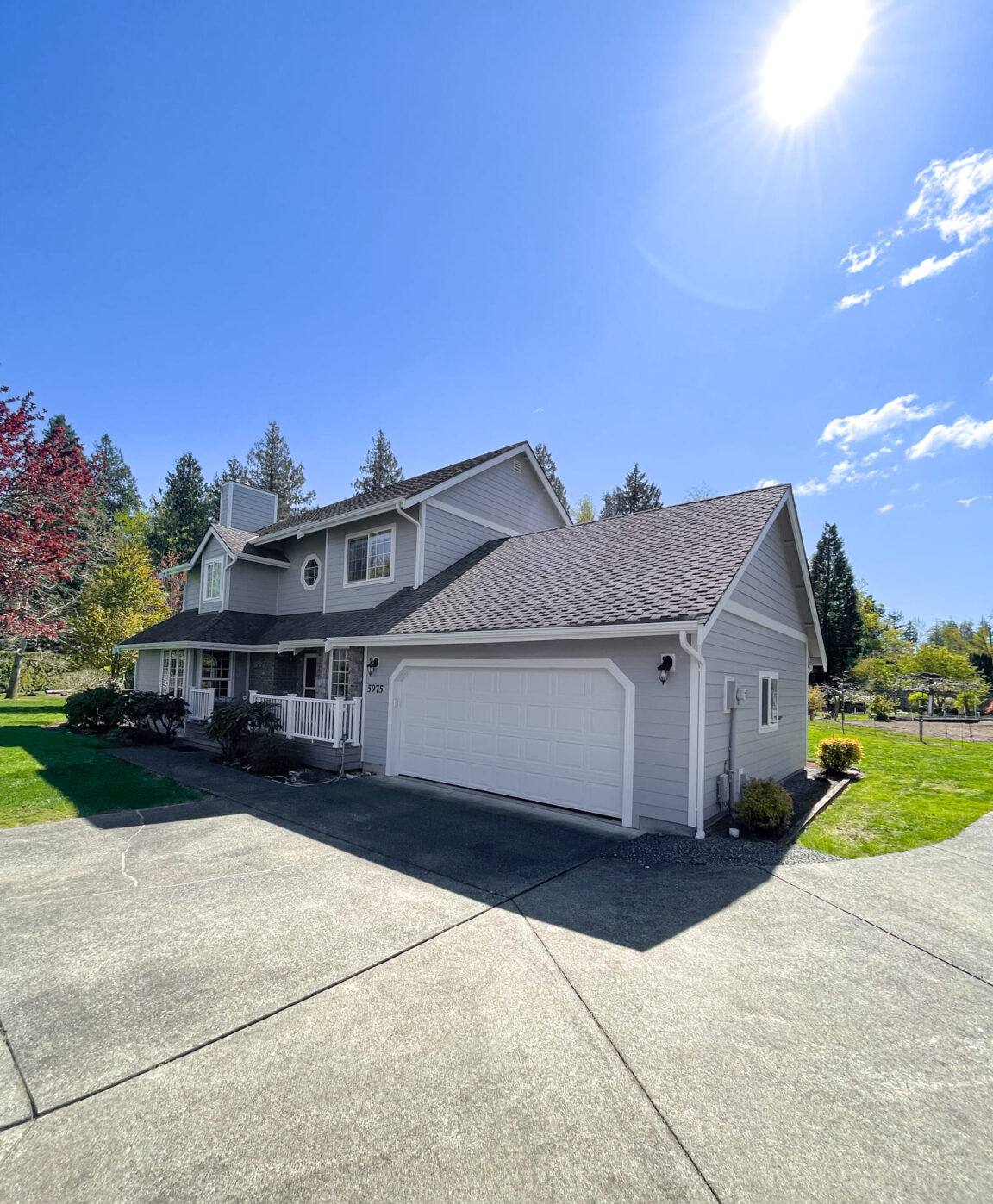
What Gulf Coast Weather Does to the Wrong Siding Material
Before explaining what we install, it's worth being honest about what we see go wrong with the materials we don't.
- Wood siding absorbs moisture from humidity and wind-driven rain, which leads to rot, warping, and insect damage. In a climate this humid, wood needs frequent repainting and caulk maintenance just to hold the line — skip a cycle or two and the damage compounds fast.
- Vinyl siding softens and can warp in sustained high heat, becomes more brittle with UV exposure over time, and is rated for wind resistance well below what a coastal Pinellas County property can see in a strong tropical system. Once panels start to buckle or blow loose, water gets behind them.
- Improperly installed siding of any type traps moisture against the wall sheathing instead of shedding it, which is often worse than having no siding at all — it hides the damage while it's happening.
The common thread is moisture management and wind performance. Whatever goes on a Disston Heights home has to handle both, year after year, without babysitting.
Why We Install Only James Hardie Fiber Cement
We made a standing decision to install James Hardie fiber cement siding exclusively — not LP SmartSide, not vinyl, not cedar or primed spruce, not other fiber cement brands. That's not a marketing position; it's a reflection of what holds up under Florida conditions with the least amount of homeowner maintenance over the life of the product.
A few specifics that matter for this climate:
- Non-combustible material. Fiber cement is made from cement, sand, and cellulose fiber — it doesn't feed a fire the way wood-based products can.
- Engineered for humid climates. James Hardie formulates its siding differently depending on region. Florida installations use the formulation engineered for hot, humid, high-moisture conditions, built to resist cracking and moisture-related damage in exactly the kind of weather Pinellas County sees.
- ColorPlus factory finish. Instead of field-painted color, ColorPlus is a baked-on finish applied under controlled conditions, which holds up better against the intense, near-constant Florida UV than a job-site paint job and pushes repainting intervals out significantly.
- A strong, transferable warranty that reflects the manufacturer's confidence in the product when it's installed to spec — which is a large part of why correct installation, not just correct material, is the point of this page.
Product Lines We Work With
Depending on the home's style and what we find during assessment, a Disston Heights project might use lap siding for a traditional horizontal look, panel siding for a more modern or accent application, or shingle-style siding for a textured façade. We'll walk through which fits your home's architecture and existing details rather than defaulting to one option.
What a Correct Fiber Cement Installation Actually Involves
Fiber cement is only as good as the installation behind it. Most of the failures we get called out to inspect on other contractors' work trace back to shortcuts during installation, not the material itself. A correct job includes:
- A weather-resistive barrier installed correctly behind the siding, with proper overlaps, so any moisture that does get past the surface has a path to drain rather than sit against the sheathing.
- Manufacturer-specified clearances — ground clearance, roofline clearance, and clearance from decks and patios — so water and debris don't wick into the bottom edge of the boards.
- Correct fastener type and placement. Near the Gulf, corrosion-resistant fasteners matter; the wrong nail in a salt-air environment corrodes and eventually stains or fails.
- Proper flashing at every window, door, and penetration — this is where most water intrusion actually starts, regardless of siding material.
- Manufacturer-approved caulking and joint treatment at butt joints and trim, done to spec rather than "close enough."
- Fastening patterns that match the manufacturer's installation instructions for wind zone requirements, not a generic nailing schedule.
Skip any one of these and you can end up with siding that looks fine for a season or two and then starts showing problems — buckling, staining, soft spots at the bottom edge, or water intrusion you don't see until it's inside a wall cavity.
Installation Checklist: What to Expect From a Correct Job
- A written scope that specifies the Hardie product line, profile, and ColorPlus color before work starts
- Removal and inspection of the old siding and underlying sheathing, not installation over unknown substrate damage
- Replacement of any rotted or damaged sheathing found during tear-off
- New or repaired weather-resistive barrier before a single board goes up
- Flashing detail at every window, door, and roof intersection
- Fastening and clearances that match James Hardie's published installation instructions
- A final walkthrough where trim, caulking, and touch-up are checked against that written scope
Siding Materials Compared for Gulf Coast Homes
| Factor | James Hardie Fiber Cement | Vinyl | Untreated Wood |
|---|---|---|---|
| Wind performance | Rated for high wind zones when installed to spec | Lower wind ratings; can crack or blow off in strong gusts | Structurally sound but fasteners and joints degrade over time |
| Salt air & moisture | Engineered for humid, coastal conditions | Doesn't rot, but seams and fasteners can corrode or loosen | Absorbs moisture; prone to rot near the coast |
| UV / fade resistance | ColorPlus finish resists fading better than field paint | Can fade and become brittle with sustained UV exposure | Needs frequent repainting to hold color and protection |
| Maintenance | Occasional rinse and caulk check; repainting cycle is long | Low maintenance but limited repair options once damaged | High — regular painting, sealing, and pest monitoring |
| Typical lifespan when properly installed | Multiple decades | Shorter, especially in coastal wind/UV conditions | Shortest without aggressive upkeep |
Cost is a fair question too. Fiber cement typically costs more up front than vinyl and can run comparable to or less than quality wood siding once you account for wood's ongoing maintenance. The real cost comparison isn't the install price alone — it's install price plus what you'll spend maintaining or replacing the material over the next 20-plus years in this climate.
Our Process for a Disston Heights Siding Project
- On-site assessment. We look at your home's current siding, substrate condition, exposure, and architectural details, and measure for an accurate scope.
- Tear-off and substrate inspection. Old siding comes off and we inspect the sheathing underneath for hidden rot or moisture damage before covering anything back up.
- Weather barrier and flashing. A proper weather-resistive barrier goes on, along with flashing at every window, door, and penetration point.
- Hardie installation to manufacturer spec. Boards or panels go up with the correct fasteners, clearances, and nailing pattern for our wind zone.
- Finish work. Trim, caulking, and any touch-up on the ColorPlus finish are completed and checked against the original scope.
- Final walkthrough. We go over the finished job with you before calling it done.
Why Hiring a Crew That Already Works Disston Heights Matters
Fiber cement installation isn't complicated in theory, but getting it right on an actual Florida home depends on details that only show up with local experience: knowing what substrate condition to expect on homes of a given age and construction type in this part of St. Petersburg, understanding Pinellas County's wind-load and permitting requirements for exterior work, and having already worked out flashing and clearance details on similar homes nearby. A crew that's done this work in and around Disston Heights isn't guessing at how the material behaves in this specific mix of heat, humidity, and coastal wind — they've already seen it hold up, and they've already seen what happens when a job cuts corners.
Maintenance and Long-Term Care After Installation
Fiber cement siding is low-maintenance compared to wood or vinyl, but "low-maintenance" doesn't mean "no maintenance," especially this close to the Gulf. A periodic rinse to clear salt residue and airborne debris off the surface helps preserve the finish. Caulking at joints and trim should be checked annually and touched up if it's cracking or pulling away, since caulk failure is one of the more common ways water starts to find its way behind properly installed siding. Because ColorPlus is a factory-applied finish rather than field paint, you're looking at a much longer stretch before repainting is even a conversation — but it's still worth a visual check after major storms to catch any impact damage early, before it becomes a bigger repair.
If you're weighing your siding options for a home in Disston Heights, we're happy to take a look and give you a straightforward, no-pressure estimate — what we'd recommend, why, and what it would involve for your specific house. There's a form below to get that conversation started.