 St. Petersburg Roofing
 Windows Built for the Euclid-St. Paul Climate
Homes in Euclid-St. Paul sit close enough to Tampa Bay and the Gulf that every window on the house is doing more work than a window in a landlocked city ever would. Between hurricane-force wind events, intense year-round UV, wind-driven rain, and salt-laden air drifting in off the water, the glass and frames on a St. Petersburg home age faster than most manufacturers' warranty language assumes. Energy-efficient windows done right for this neighborhood aren't just about a lower electric bill — they're about a window system that still seals, still locks, and still looks decent five and ten summers from now.
We work in this part of Pinellas County regularly, which matters more than it sounds like. A window crew that mostly installs inland knows the code minimums but not the day-to-day reality: how fast unprotected aluminum pits near the coast, how much a west-facing living room window heats up a house by 4pm, or which product lines actually hold up to a full Gulf storm season instead of just passing a lab test.
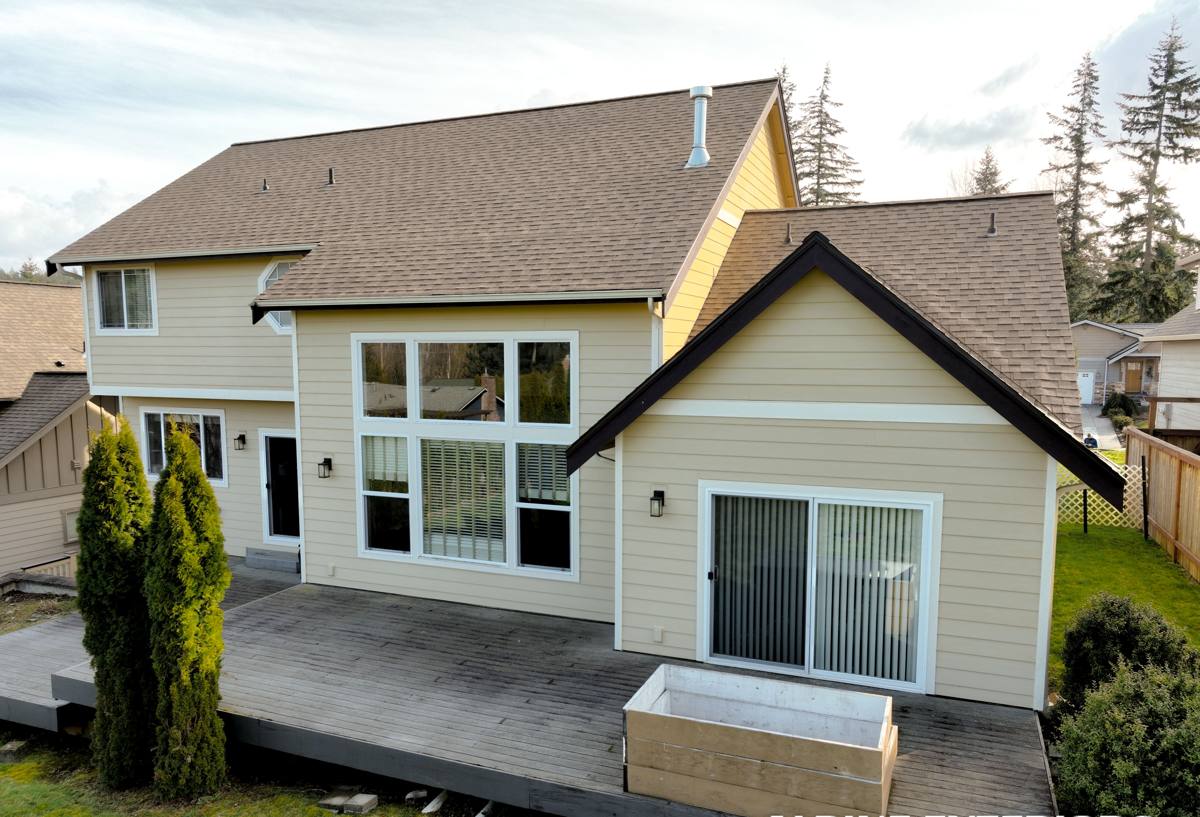
What "Energy-Efficient" Actually Means Here
In much of the country, energy-efficient windows are mostly about winter heat loss. In St. Petersburg, the math flips — the job is keeping heat and UV out, not in. That changes which specs actually matter for a Euclid-St. Paul home:
- Low-E coatings tuned for solar heat gain — you want a coating that blocks infrared heat before it ever gets through the glass, not one optimized for cold-climate heat retention.
- SHGC (Solar Heat Gain Coefficient) as the priority number — for west and south-facing rooms especially, a lower SHGC does more for comfort and AC load than U-factor alone.
- Impact-rated glazing — laminated glass that meets Florida Building Code wind-borne debris requirements, which for this area typically means product tested and approved for high-velocity hurricane zone conditions.
- Frame material that tolerates salt air — vinyl and properly finished fiberglass hold up better near the coast than bare or poorly coated aluminum, which is prone to pitting and corrosion over time.
- Tight, correctly flashed installation — the best window on the market still leaks air and water if it's not flashed and sealed to handle wind-driven rain, which is a near-annual event here.
The Three Threats a Correct Install Has to Handle
Hurricane and High Wind Loads
Pinellas County enforces some of the strictest wind load requirements in the country, and Euclid-St. Paul's exposure to Tampa Bay means real design pressures, not just paperwork minimums. Impact-rated windows need to be installed with the fastening schedule, anchor spacing, and buck or frame preparation specified in the product's NOA (Notice of Acceptance) or Florida Product Approval. Skipping or eyeballing that schedule is one of the most common ways a technically-approved window still fails in a storm — the glass was rated fine, the installation wasn't.
UV Exposure
Florida sun is harder on materials than most homeowners realize until they see it firsthand — vinyl that yellows, seals that go brittle, and interior furnishings and flooring that fade faster near unprotected glass. UV-stable frame compounds and a proper Low-E/UV-blocking glass package slow all of that down substantially.
Wind-Driven Rain and Salt Air
Storms here rarely arrive as straight-down rain. Wind pushes water sideways and upward into gaps that a calm-weather install would never expose. Add in salt air that accelerates corrosion on hardware, screws, and unprotected metal, and you get two failure modes that show up years later as soft framing, stained drywall, or a lock mechanism that's seized up. Correct flashing, sealant selection, and corrosion-resistant hardware address this at install time — it's much cheaper to get right the first time than to fix after water intrusion.
Signs Euclid-St. Paul Homeowners Should Watch For
| What You Notice | What It Usually Means |
|---|---|
| Rooms that stay hot even with AC running | Poor SHGC performance or failed seals letting heat radiate through |
| Fogging or moisture between panes | Failed insulated glass seal — not repairable, glass or unit needs replacing |
| Difficulty locking or sticking sashes | Frame warping from heat/UV exposure or corroded hardware from salt air |
| Water staining below windows after storms | Failed flashing or sealant allowing wind-driven rain intrusion |
| Visible pitting or chalky residue on frames | Salt air corrosion, common on older aluminum-framed windows |
| Noticeably higher summer electric bills | Aging single-pane or non-Low-E glass letting solar heat in |
How We Approach a Euclid-St. Paul Window Job
1. On-Site Assessment
We look at each window individually — orientation (a west-facing kitchen window has very different needs than a shaded north-facing bedroom window), current frame condition, signs of past water intrusion, and how the existing opening was framed. Replacement windows in an older Pinellas County home sometimes need rough opening adjustments to meet current code.
2. Product Selection Based on Exposure, Not a Default Package
We don't push one product line for every house. A home with heavy afternoon sun exposure gets a glazing package prioritized differently than a mostly shaded home. Impact rating requirements are matched to the specific wind zone and structure type per Florida Building Code, not applied as a blanket assumption.
3. Proper Removal and Opening Prep
Old sealant, damaged framing, and any evidence of prior water intrusion get addressed before a new window goes in. Installing a new window into a compromised opening just relocates the problem.
4. Manufacturer-Spec Installation
Fastening schedules, shimming, and flashing follow the product's Florida approval documentation, not a generic install method. This is the step that most determines whether an impact-rated window actually performs like one in a real storm.
5. Sealing and Weatherproofing
Sealant selection accounts for UV exposure and movement — cheap caulk fails fast in this climate. Flashing is layered to shed wind-driven rain rather than just cover the gap.
6. Final Inspection and Documentation
We confirm proper operation, sealing, and (where applicable) the documentation needed for permitting, code compliance, and any homeowner's insurance windstorm mitigation credit.
Cost Factors for This Area
Pricing for energy-efficient window replacement in Euclid-St. Paul varies with a handful of factors more than it does elsewhere, mainly because of the impact-rating requirement:
| Factor | Why It Moves the Price |
|---|---|
| Impact vs. non-impact glazing | Impact-rated laminated glass costs more than standard insulated glass but is typically required or strongly advised in this wind zone |
| Frame material | Vinyl, fiberglass, and aluminum differ in upfront cost and long-term salt-air durability |
| Number and size of openings | Larger openings and specialty shapes (bay, picture windows) increase material and labor |
| Existing opening condition | Rot, prior water damage, or out-of-square framing adds prep work |
| Permitting and inspection | Required for most window replacement work in Pinellas County; factored into project timelines and cost |
| Glazing package (Low-E coating tier) | Higher-performance solar coatings cost more but reduce cooling load over time |
We give straightforward, itemized estimates rather than a single lump number — homeowners deciding between a full-house replacement and a phased approach (worst-exposure windows first) need to see where the cost actually comes from.
Why It Matters Who You Hire for This
Window installation looks straightforward from the outside, but in a hurricane-prone coastal zone the difference between a correct install and a sloppy one usually doesn't show up for a year or two — until the first serious storm or the first summer of unexpectedly high AC bills. A crew that's done this work elsewhere in the country but not along the Gulf Coast may not be thinking about salt air corrosion on hardware or how wind-driven rain behaves differently than a straight downpour. Local, ongoing experience in neighborhoods like Euclid-St. Paul means we've already seen what fails here and why, and we build the install to avoid it.
Licensing and permitting also matter more here than in a lot of markets. Impact-rated window installation tied to Florida Building Code approvals needs to be documented correctly — both for code compliance and because insurers often require it for windstorm mitigation credits. A contractor unfamiliar with Pinellas County permitting can leave a homeowner without the paperwork needed later for an insurance claim or a home sale.
A Quick Checklist Before You Hire Anyone for Window Work
- Confirm they're licensed to work in Pinellas County and carry current insurance
- Ask specifically about impact-rated glazing and Florida Product Approval documentation
- Get the SHGC and U-factor specs in writing, not just "energy efficient" as a general claim
- Ask how they handle flashing and sealing for wind-driven rain, specifically
- Confirm whether permitting is included and who pulls the permit
- Ask what corrosion-resistant hardware options they offer for coastal exposure
- Get a written, itemized estimate — not a single bundled number
Maintenance That Actually Extends Window Life Here
Even a well-installed window benefits from basic upkeep in a salt-air environment. Rinsing frames and hardware periodically to clear salt residue, checking sealant lines annually for cracking or shrinkage (especially after a rough storm season), and keeping weep holes clear of debris all go a long way toward getting the full service life out of the investment. None of this is complicated, but it's easy to skip until a problem shows up.
If you're in Euclid-St. Paul and dealing with windows that are underperforming in the heat, showing wear from salt air, or you're simply ready to upgrade before the next storm season, we're happy to take a look and walk you through honest options for your specific home. Reach out for a free, no-pressure estimate — the form below gets you started.