 St. Petersburg Roofing
 Siding That Has to Earn Its Keep in Euclid-St. Paul
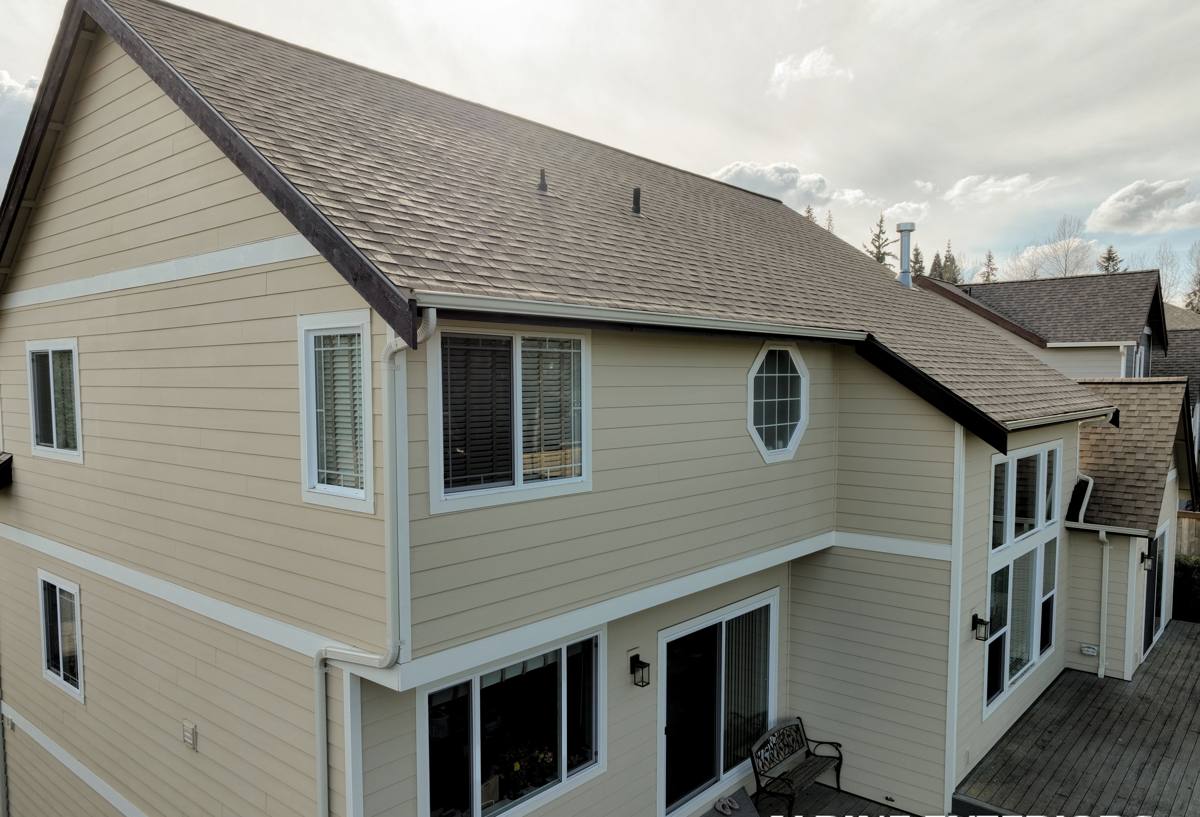
Euclid-St. Paul is one of St. Petersburg's established residential neighborhoods — a mix of older bungalow-style homes and mid-century construction, many shaded by mature tree canopy. That combination of age and shade is a mixed blessing for exterior siding. Older wall assemblies were often built to a different standard than current code, and heavy tree cover keeps moisture sitting against a house longer after every rain. Add in what Pinellas County's coastal location does to a building envelope year-round, and siding here is doing real structural work, not just cosmetic work.
When we talk about siding installation in this neighborhood, we're talking about a product and a process that have to hold up against sustained UV exposure, salt-laden air pulled in off Tampa Bay and the Gulf, wind-driven rain that doesn't fall straight down, and the real possibility of hurricane-force wind loads during storm season. A siding job that ignores any one of those factors tends to show it within a few years, not a few decades.
What St. Petersburg's Climate Actually Does to Siding
Year-Round UV
Florida doesn't get a winter break from sun exposure the way most of the country does. Lower-grade siding materials — thin vinyl, unfinished or field-painted composites — chalk, fade, and become brittle faster here than they would in a milder climate. Once a material embrittles, it cracks under impact and loses its ability to flex with the wall assembly during wind events.
Salt Air and Humidity
Proximity to the Bay means airborne salt settles on every exterior surface in the neighborhood, not just homes directly on the water. Salt accelerates corrosion in fasteners and trim hardware, and it works alongside Pinellas County's humidity to keep wood-based siding products damp longer than their design tolerances assume. That combination is what drives premature rot, delamination, and paint failure in products not engineered for a coastal, humid climate.
Wind-Driven Rain
Rain in a Gulf Coast storm rarely falls straight down — wind pushes it sideways and up under laps, trim, and penetrations. That means the water-resistive barrier, flashing details, and lap coverage behind the visible siding matter as much as the siding itself. A house can have attractive new siding and still take on water if those hidden details were rushed.
Hurricane-Force Wind Loads
Every hurricane season, Pinellas County homes face real wind-load risk. Siding that isn't fastened to manufacturer and code specification doesn't just fail cosmetically in high wind — it can pull loose and become airborne debris, damaging the house it came from and the ones nearby. Fastening pattern and fastener quality aren't optional details; they're the difference between siding that survives a named storm and siding that doesn't.
Why We Install Only James Hardie Fiber Cement Siding
We standardized on James Hardie fiber cement siding and don't install vinyl, LP SmartSide, Cemplank, Allura, primed spruce, or cedar. That's not a marketing position — it's a professional judgment call based on how each category of product actually performs in this climate over the long run. Wood-based and engineered-wood sidings depend heavily on unbroken paint and caulk lines to keep moisture out; once that seal is compromised by UV, humidity, or a missed maintenance cycle, the substrate underneath is vulnerable to swelling and rot in exactly the conditions St. Petersburg provides in abundance. Vinyl is low-maintenance but softens and can warp under sustained heat, and it has real limits on wind resistance compared to fastened fiber cement. Those are honest trade-offs, not defects — they're simply trade-offs we're not willing to install on a home in this climate and put our name behind.
HZ5 Formulation, Built for Humid Climates
James Hardie engineers its siding by climate zone, and the HZ5 formulation used along the Gulf Coast is built specifically to resist moisture-related damage in hot, humid regions. That's a meaningfully different product than a one-size-fits-all siding sold nationwide.
ColorPlus Factory Finish
Hardie's ColorPlus finish is baked on in a controlled factory environment rather than applied on-site, which gives it far better UV and fade resistance than field-applied paint — a real advantage under Florida's sun load — along with a finish warranty that follows the product.
Non-Combustible and Dimensionally Stable
Fiber cement doesn't expand, contract, warp, or rot the way wood and wood-composite products can, and it's non-combustible. It holds its shape and its fastening through heat cycling and humidity swings, which keeps the whole wall assembly performing the way it was designed to.
What a Correct Installation Actually Involves
The product is only half the equation. A Hardie board installed incorrectly will fail in the same ways as a cheaper material — the manufacturer's installation instructions exist because the details matter.
Manufacturer-Spec Clearances and Fastening
Hardie specifies minimum clearances from grade, roofing, and hardscape, along with specific fastener types, spacing, and penetration depth. In a coastal wind zone, we use corrosion-resistant fasteners and follow fastening schedules built for wind uplift resistance — not the minimum the material will technically hold with.
Moisture Management Behind the Cladding
Correct installation starts with a continuous water-resistive barrier, properly lapped and taped, and flashing integrated at every window, door, and penetration so wind-driven rain has nowhere to get behind the siding. This is the part of the job that's invisible once it's finished — and the part that determines whether the wall assembly stays dry for the next twenty years.
Joints, Gaps, and Sealant
Butt joints, trim transitions, and penetrations need the gap and sealant treatment Hardie specifies, not a caulk-and-hope approach. Done right, these details hold up through years of thermal movement and salt exposure without opening back up.
Our Process for a Euclid-St. Paul Project
- On-site inspection of existing siding, trim, and substrate, including a check for moisture or rot already present behind the current cladding
- Material takeoff and selection of Hardie product line, profile, and ColorPlus color
- Permitting through the appropriate St. Petersburg or Pinellas County process before any work begins
- Removal of existing siding and repair of any compromised sheathing or framing found underneath
- Installation of water-resistive barrier, flashing, and Hardie siding to manufacturer specification
- Final walkthrough, trim and caulking check, and job-site cleanup
Cost Factors to Expect
Every home is priced individually, but the variables below are what actually move the number on a siding job in this neighborhood.
| Factor | Why It Affects the Price |
|---|---|
| Home size and number of stories | More surface area and access equipment (staging, lifts) for taller walls |
| Condition of existing substrate | Rot or moisture damage found during tear-off requires repair before new siding goes on |
| Architectural trim complexity | Bungalow-style detailing, dormers, and multiple roof planes add cutting and fitting time |
| Hardie product line chosen | Lap siding, shingle-style panels, and board-and-batten carry different material costs |
| Color selection | Factory ColorPlus finish costs more upfront than primed board but eliminates a future paint job |
| Site access | Mature trees, narrow side yards, and tight lot lines common in older neighborhoods can slow crew access |
Why Local Experience in Euclid-St. Paul Matters
Older neighborhoods like this one come with construction quirks a crew only learns by working here regularly: original sheathing that doesn't match current thickness standards, walls that aren't perfectly plumb after decades of settling, and mature landscaping that has to be worked around rather than removed. A crew that's already done siding in Euclid-St. Paul knows what to expect before the first board comes off the wall, which means fewer surprises and fewer change orders mid-project.
There's also a practical storm-season argument. A contractor already established in St. Petersburg and familiar with Pinellas County's permitting process can move faster on both routine installations and storm-related repair work, without the delays that come from a crew learning the local process for the first time.
Maintenance After Installation
James Hardie siding is genuinely low-maintenance compared to wood-based alternatives, but "low-maintenance" isn't "no-maintenance" — especially in a salt-air environment.
- Rinse the siding periodically to remove salt residue and airborne grime buildup
- Inspect caulking and joints once a year and re-seal any that have opened up
- Keep tree branches and shrubs trimmed back so they don't hold moisture against the siding
- Check for impact damage after any significant storm, even if it looks minor from the ground
- Keep gutters clean so overflow doesn't run down the siding face and stain or saturate it repeatedly
If you're weighing a siding replacement or repair for a home in Euclid-St. Paul, we're glad to come take a look and give you a straightforward, no-pressure estimate — just fill out the form below.