 St. Petersburg Roofing
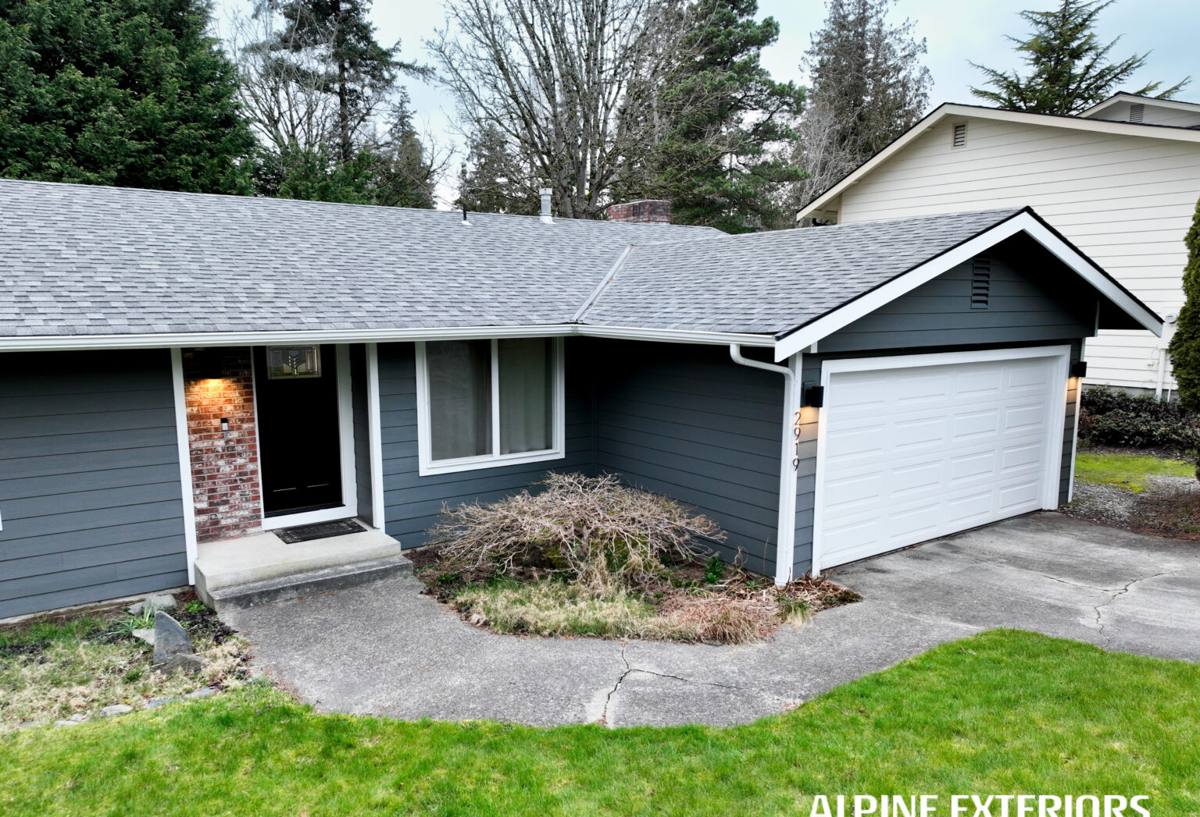
 Siding Replacement in Euclid-St. Paul
Euclid-St. Paul is one of St. Petersburg's older established neighborhoods, with a mix of bungalows, mid-century homes, and newer infill construction sitting close together on tree-lined streets. That mix matters when it comes to siding. A home built decades ago may still have its original wood or an aging replacement product on it, while a newer build nearby might already be showing problems from a rushed installation. Whatever the age of the house, the siding on it is doing the same job: standing between the wood framing and a Gulf Coast climate that does not go easy on exterior materials.
We work on homes throughout St. Petersburg and Pinellas County, and Euclid-St. Paul's combination of close-set lots, mature tree canopy, and older housing stock comes with its own set of siding considerations. This page covers what actually goes wrong with siding in this part of St. Petersburg, what a correct replacement looks like, and how we approach the job.
Why Siding Wears Out Faster Here
Pinellas County sits in a place where several stresses hit exterior materials at once, and none of them let up for long.
Heat and UV
St. Petersburg gets strong, direct sun for most of the year. Constant UV exposure breaks down paint films, dries out caulk, and causes cheaper siding substrates to warp, crack, or fade unevenly. South- and west-facing walls typically show the wear first.
Wind-Driven Rain
Florida rain rarely falls straight down. When storms roll through with wind behind them, water gets driven sideways into seams, laps, and fastener points. Siding that isn't installed with the right overlaps, flashing, and gaps will let moisture behind it long before the surface looks damaged.
Salt Air
Even away from the immediate waterfront, St. Petersburg's coastal location means a steady low-level exposure to salt in the air. Salt accelerates corrosion on fasteners and trim, and it can accelerate the breakdown of some siding coatings over time.
Hurricane-Force Wind
Pinellas County sits in a high-wind zone, and siding has to be rated and fastened to hold up under sustained wind and wind-borne debris. This isn't optional in the building code here, and it shouldn't be treated as optional by whoever installs your siding.
Individually, any one of these would be manageable. Together, and year-round, they're why siding that was installed without attention to detail tends to fail early in this area — sometimes well before its expected lifespan.
Signs an Euclid-St. Paul Home Needs Siding Replacement
- Visible warping, buckling, or gaps between siding boards or panels
- Soft or spongy spots when you press on the siding, especially near the bottom edge
- Paint that keeps failing in the same spots no matter how often it's repainted
- Cracking or splitting, particularly around corners, window trim, and butt joints
- Visible mold, mildew, or staining that keeps coming back after cleaning
- Rising energy bills with no other explanation, which can point to gaps in the wall assembly
- Siding that flexes or rattles in strong wind
Any one of these on its own might just need a repair. Several at once, especially on a home more than 15-20 years old, usually means the siding system as a whole has reached the end of its useful life.
What a Correct Siding Replacement Actually Involves
Replacing siding is not just swapping old panels for new ones. Done right, it's a full system replacement, and most of what determines how long it lasts happens underneath the surface.
Tear-Off and Inspection
The old siding comes off completely so the wall sheathing underneath can be inspected. This is often the first time in years anyone has actually looked at the framing and sheathing behind the siding. Rot, water damage, or pest issues need to be addressed before anything new goes up — covering them over just hides the problem.
Weather-Resistive Barrier
A properly installed moisture barrier goes over the sheathing before siding does. This layer is what actually keeps wind-driven rain from reaching the wood framing if any water does get past the siding itself. Seams, laps, and penetrations all need to be sealed correctly — a barrier that's stapled up quickly with gaps at the seams isn't doing its job.
Flashing at Windows, Doors, and Penetrations
Every window, door, vent, and utility penetration is a place water can get behind the wall. Correct flashing directs water back out instead of letting it collect. This is one of the most commonly rushed steps on a siding job, and it's where a lot of hidden water damage originates.
Fastening and Fastener Spacing
In a high-wind zone, fastener type, length, and spacing aren't a matter of preference — they're what keeps siding attached during a storm. Manufacturer specs exist for a reason, and in coastal air, corrosion-resistant fasteners matter more here than they would inland.
Joints, Caulking, and Trim
Butt joints, corners, and trim transitions are where siding systems are most likely to let water in over time. Correct sealing at these points, using products rated for exterior exposure, is what keeps the system watertight for the long run rather than just at installation.
Our Process
- On-site assessment. We look at the current siding, the condition of the wall assembly where visible, and any problem areas you've noticed — soft spots, recurring paint failure, drafts, and so on.
- Written estimate. You get a clear scope of work and pricing before anything is scheduled, so there are no surprises once the job starts.
- Full tear-off. Old siding comes off down to the sheathing so we can confirm what's underneath and address any damage found.
- Barrier and flashing installation. Weather-resistive barrier and flashing go in at every window, door, and penetration before siding starts.
- Siding installation. Installed to manufacturer specification for fastening, spacing, and joint treatment, accounting for our local wind requirements.
- Final walkthrough. We go over the finished job with you and address anything before we consider it done.
Why We Install James Hardie — and Nothing Else
We install James Hardie fiber cement siding exclusively. We don't install vinyl, LP SmartSide, or primed wood siding, and that's a deliberate standard, not an oversight.
Vinyl softens and can warp in sustained heat, and in a hurricane-prone wind zone its fastening system relies on the panels being able to move — that works fine until wind pushes it past its limits. Wood-based and engineered wood products, even coated ones, are more sensitive to moisture intrusion; if water gets behind them or a coating gets compromised, the substrate itself can swell or deteriorate, and that risk goes up in a humid, storm-exposed climate like ours.
James Hardie fiber cement is non-combustible, holds up to sustained heat and UV without warping, and its ColorPlus factory finish is baked on rather than field-applied, which means better color retention in strong Florida sun and less need for repainting. Hardie's HZ5 product line is engineered specifically for high-humidity, storm-prone climates like the Gulf Coast. It also carries a strong transferable warranty when installed to spec — which is why correct installation, not just the product choice, is the other half of getting long-term performance out of it.
| Factor | Vinyl Siding | Wood-Based Siding | James Hardie Fiber Cement |
|---|---|---|---|
| Heat/UV stability | Can warp, fades over time | Coating can fail, exposing substrate | Engineered for sustained heat and UV |
| Moisture behavior | Generally tolerant, but seams are a weak point | Sensitive if water reaches substrate | Resists moisture-related swelling and rot |
| High-wind performance | Depends on fastening system tolerances | Varies by product and install | Rated for high-wind installation when installed to spec |
| Finish/color retention | Field or factory color, can fade | Needs repainting over time | Factory-baked ColorPlus finish |
| Fire resistance | Combustible | Combustible | Non-combustible |
Why a Crew That Already Works Euclid-St. Paul Matters
Siding replacement in an established neighborhood like Euclid-St. Paul isn't the same job as new construction siding. Homes here often have mature landscaping close to the walls, older framing that needs a careful eye during tear-off, and in some cases updates or additions from different eras that don't all match up perfectly. A crew that's worked in the neighborhood before knows what to expect from that housing stock and plans around it instead of being surprised by it mid-job.
There's also the practical side: permitting and inspection requirements in St. Petersburg and Pinellas County are built around this region's wind-zone rules, and a local crew handles that as a matter of course rather than learning it on your project. Working close to home also means we can respond quickly if a question comes up after the job is done — we're not driving in from out of the area for a callback.
What to Ask Before Hiring a Siding Contractor
- Are you licensed and insured to work in Pinellas County?
- Will the wall sheathing be inspected during tear-off, not just covered over?
- What weather-resistive barrier and flashing details will be used at windows and doors?
- Will fastening follow the manufacturer's spec for our wind zone?
- Is the siding warranty from the manufacturer transferable, and what does it actually cover?
- Can you provide a written, itemized estimate before work begins?
A contractor who answers these clearly and specifically, rather than in vague terms, is a good sign. Vague answers about "standard installation" are worth pushing back on.
Get a Free Estimate
If your Euclid-St. Paul home is showing signs of siding wear — warping, recurring paint failure, soft spots, or just age — we're happy to take a look and give you an honest assessment. Fill out the form below for a free, no-pressure estimate.