 St. Petersburg Roofing
 Old Northeast is one of St. Petersburg's oldest platted residential neighborhoods, and it looks the part — bungalows, Mediterranean Revival and Colonial Revival homes, mature tree canopy, and a streetscape that homeowners and the city both work to protect. Siding here does two jobs most neighborhoods don't ask of it at once: it has to read as authentic to a home that may be seventy, ninety, or more than a hundred years old, and it has to survive a Pinellas County exterior climate that is genuinely hard on buildings. We install James Hardie fiber cement exclusively, and this page walks through what that looks like specifically for an Old Northeast home rather than as a generic pitch.
Two Problems, One Neighborhood
The first problem is character. A lot of what makes Old Northeast valuable — to the people who live there and to the neighborhood's identity — is the narrow board reveals, the trim detail around windows and porches, and the general sense that the exterior belongs to its era. Siding that reads as generic or overly modern stands out in a bad way, and on some homes it can also run into local historic-district review depending on the specific property and its designation status. The second problem is durability. St. Petersburg sits on a peninsula between Tampa Bay and the Gulf, and Old Northeast's proximity to the water means salt-laden air reaches the neighborhood regularly, not just during storms. Add Florida's intense, nearly year-round UV load and the wind-driven rain and hurricane-force gusts that come with the region's storm season, and you have an exterior environment that finds every weak point in a wall system within a handful of years.
Those two problems point toward the same answer more often than people expect. A well-detailed fiber cement product line gives you the narrow lap profiles and trim options that suit early-20th-century architecture, and it happens to be one of the more climate-resilient claddings available for coastal Pinellas County. This isn't a coincidence we're leaning on for a sales pitch — it's why fiber cement has become the default recommendation for older Florida coastal neighborhoods among contractors who actually work in them.
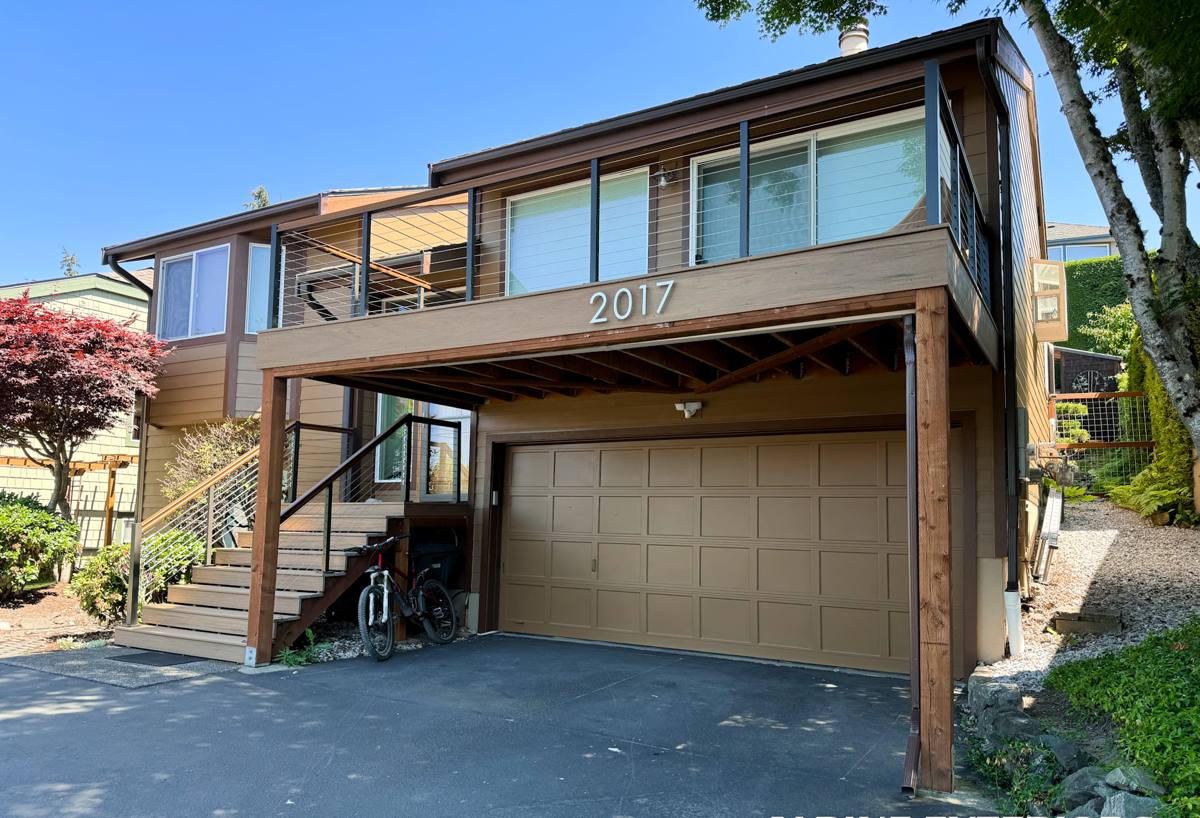
Why We Only Install James Hardie
We don't offer vinyl siding, LP SmartSide, Cemplank, Allura, primed spruce, or cedar. That's a deliberate standard, not an oversight, and it's worth explaining honestly rather than just asserting it. Vinyl is inexpensive and low-maintenance, but it softens and can warp in sustained heat, and it's a poor match for a historic streetscape where crisp trim lines and authentic reveals matter to the look of the block. Engineered wood products like LP SmartSide perform well when kept sealed and dry, but they carry a real, ongoing moisture-management burden — any breach in the factory coating or a missed field seal is an open door for water, and that risk compounds in a humid coastal climate. Cedar and primed spruce are genuinely beautiful and historically appropriate, but real wood siding in Pinellas County's humidity means an ongoing cycle of repainting, caulking, and watching for rot that most homeowners underestimate before they've lived with it a few seasons.
James Hardie fiber cement is non-combustible, doesn't expand and contract with heat the way vinyl does, and doesn't carry wood's moisture and pest vulnerabilities. Hardie also builds a Florida-specific product line — the HZ5 formulation — engineered for heat and humidity exposure rather than the freeze-thaw cycles that drive product engineering in northern climates. We standardized on one manufacturer and one material system because it lets us install to a single, well-understood spec on every job rather than juggling different handling and fastening rules across several products — and because it's the system we're willing to warranty and stand behind on a house we expect to still look right in twenty years.
Matching Fiber Cement to Old Northeast Architecture
The product decision that matters most on a historic home is exposure and profile, not just color. HardiePlank lap siding comes in several plank widths, each producing a different visual rhythm on the wall.
| Plank Width | Standard Exposure | Historic Fit |
|---|---|---|
| 5-1/4 in. | 4 in. | Closely spaced lines; matches narrow-reveal bungalow and cottage siding |
| 6-1/4 in. | 5 in. | Traditional narrow lap common on early-1900s to 1930s Florida homes |
| 7-1/4 in. | 6 in. | Balanced middle ground; works on larger Colonial Revival massing |
| 8-1/4 in. | 7 in. | Wider, calmer reveal; better suited to later additions than original facades |
On a lot of Old Northeast's older stock, the narrower exposures actually come closest to matching the original wood clapboard reveal the home was likely built with, which matters when the goal is preserving the street's character rather than modernizing it. We also install Cedarmill-textured HardiePlank on many of these homes specifically because the wood-grain texture reads as traditional from the sidewalk, where a flat Smooth profile can look slightly out of place on an older facade. HardieTrim boards let us rebuild window and door surrounds, corner boards, and frieze detail to match or closely approximate what a historic home originally carried, in a material that won't rot the way the original wood trim likely has by now.
Board and batten, built from HardiePanel with HardieTrim battens, isn't the primary siding choice for most Old Northeast homes, but it shows up correctly as an accent — a gable, a porch gable end, or a garage face — on the Craftsman and bungalow styles where that detail was often original.
What Correct Installation Looks Like Here
Fiber cement is a forgiving-looking material that is actually unforgiving of shortcuts, and the shortcuts don't show up until years later. On an older home, correct installation starts before a single plank goes up.
What's Behind the Siding Matters More Than the Siding
On a house that may be decades old, the sheathing and framing underneath the existing siding are the real unknown. We don't quote a fiber cement job without planning for the possibility of finding deteriorated sheathing once the old siding comes off, and any repair work gets priced and explained before we proceed, not discovered as a surprise on the invoice. A properly lapped and taped weather-resistive barrier goes back over whatever we find, with flashing integrated at every window, door, and penetration, and kick-out flashing at every point where a roofline meets a wall — a detail that's frequently missing on older homes and is one of the most common sources of hidden rot we find during tear-off.
Fastening for Wind and Salt Air
Old Northeast's coastal exposure means every exterior material has to hold up to salt-influenced air, not just rain. We use corrosion-resistant fasteners at the manufacturer's specified spacing, and we keep every clearance James Hardie requires — siding held up off grade and clear of roofs, decks, and patios so bottom edges never sit in standing water or splash-back. Butt joints land on studs, stagger properly between courses, and get flashed or treated per spec. Florida's wind-speed requirements for this region are built into the approved fastening schedule for James Hardie products, and that schedule isn't optional or a place to save labor time — it's what keeps the wall performing when a named storm brings sustained wind and wind-driven rain against the house.
ColorPlus or Field-Painted: The Finish Decision
Both routes are legitimate, and the right one depends on your goals more than performance.
| Finish Option | Best For | Trade-Off |
|---|---|---|
| ColorPlus (factory-applied) | Homeowners who want a durable, even finish with minimal repainting | Fixed palette; higher material cost |
| Primed, field-painted | Matching an exact historic color or an existing approved shade | Repainting sooner in humid coastal air; result depends on prep quality |
ColorPlus is baked on in a controlled factory setting, cures before it ever meets a Florida summer, and carries a 15-year finish warranty against peeling, chipping, and cracking — a real advantage against Old Northeast's UV exposure. Field painting opens up any color, which matters if you're matching a very specific historic shade documented on the home or required by a property's guidelines. If your home has that kind of color requirement, primed HardiePlank painted on site is usually the cleaner path; if you're open to a curated palette, ColorPlus saves you from thinking about paint again for a long time.
How Our Process Works
We walk every Old Northeast home in person before quoting anything, because older homes vary too much for a phone estimate to be honest. That walk-through covers the condition of the existing siding and trim, a look at accessible sheathing where possible, the profile and exposure that best fits the home's original architecture, and any color or trim considerations tied to the property. From there:
- We lay out plank coursing on paper for each elevation before ordering material, so courses land sensibly at windows, doors, and corners.
- We confirm finish choice — ColorPlus or field paint — and, if relevant, review the color against any documentation the home already has.
- We remove existing siding, inspect sheathing and framing, and price any repair work before continuing rather than after.
- We install the weather-resistive barrier and flashing system first, then fiber cement to the manufacturer's fastening and clearance spec.
- We walk the finished job with you, elevation by elevation, before calling it complete.
None of that is unusual for a fiber cement contractor to say. What separates a good outcome from a disappointing one is whether the crew actually follows it on every wall, every time — which is a fair thing to ask any contractor to demonstrate before you sign.
What Drives the Cost on an Older Home
Every Old Northeast home prices differently, and a firm number without an in-person walk is a guess. As a broad, honest range, a full fiber cement reside on a typical single-story historic home in this area usually lands in the mid-to-upper five figures, with the specifics moving on a handful of factors.
| Cost Factor | Why It Matters Here |
|---|---|
| Sheathing and framing condition | Older homes are more likely to have hidden moisture damage once old siding comes off |
| Trim scope | Rebuilding historic-style window and door surrounds in HardieTrim adds labor and material |
| Plank width and profile | Narrower, more historically accurate exposures mean more courses and more labor per wall |
| ColorPlus vs. field paint | ColorPlus raises material cost but removes a repainting cycle |
| Site access | Mature trees, close lot lines, and tight side yards common in this neighborhood can slow staging |
| Wall area and story height | Square footage is the base driver of any siding project |
Before You Sign a Contract
Run this list whether you hire us or someone else:
- Verify the contractor's Florida license on the DBPR website and confirm the business name matches the contract exactly.
- Ask specifically how trim and window surrounds will be handled — replaced in HardieTrim, repaired, or reused — before you compare bids.
- Get tear-off terms in writing, including how hidden sheathing or framing damage found mid-job is priced.
- Confirm the crew follows James Hardie's approved fastening schedule for this wind-speed region, not a generic install.
- Ask how the weather-resistive barrier and flashing will be handled at windows, doors, and every roof-to-wall intersection.
- Settle on ColorPlus vs. field paint and, if color must match something specific, confirm that up front.
- Ask to see the plank layout for each elevation before installation begins.
Living With It Afterward
Fiber cement maintenance in this climate is light but not zero. Rinse the walls with a garden hose once or twice a year to clear the salt film, dust, and mildew that build up in humid coastal air, using a soft brush and mild detergent on stubborn spots rather than a pressure washer, which can drive water behind trim and joints. Keep sprinklers pointed away from the walls, keep mulch and shrubs from crowding the siding, and check caulked joints at trim and penetrations every couple of years. On a historic home, it's also worth a periodic visual check of the areas most exposed to wind-driven rain — gable ends and any wall that faces open water or takes weather from a storm's typical direction — since catching a small flashing issue early is far cheaper than repairing rot later.
If you're weighing a fiber cement reside on an Old Northeast home — whether it's a full exterior or a more targeted repair after storm damage — we're glad to walk the property with you and put together a free, no-pressure estimate. The form below is the easiest way to get started.