 St. Petersburg Roofing
 Windows Built for a Different Era Need a Different Kind of Contractor
Old Southeast is one of the older residential pockets in St. Petersburg, with homes that predate modern window sizing, modern wall assemblies, and modern building code entirely. A lot of the original window openings in this neighborhood were framed by hand for wood sash windows, and over the decades many of them have been patched, painted over, or fitted with whatever stock size was available at the time rather than what actually fit the opening. That history matters when it's time to replace them. A standard off-the-shelf window frequently doesn't fit these openings without reframing the wall, which changes the look of the house and adds cost nobody budgeted for. Custom windows, sized and built to the home's actual openings, are usually the more honest and more cost-effective path for a house of this age.
This page is specifically about custom window work in Old Southeast — not a generic overview of window replacement. If you own one of these homes, the questions you're asking are different from a homeowner in a newer subdivision, and the answers should be too.
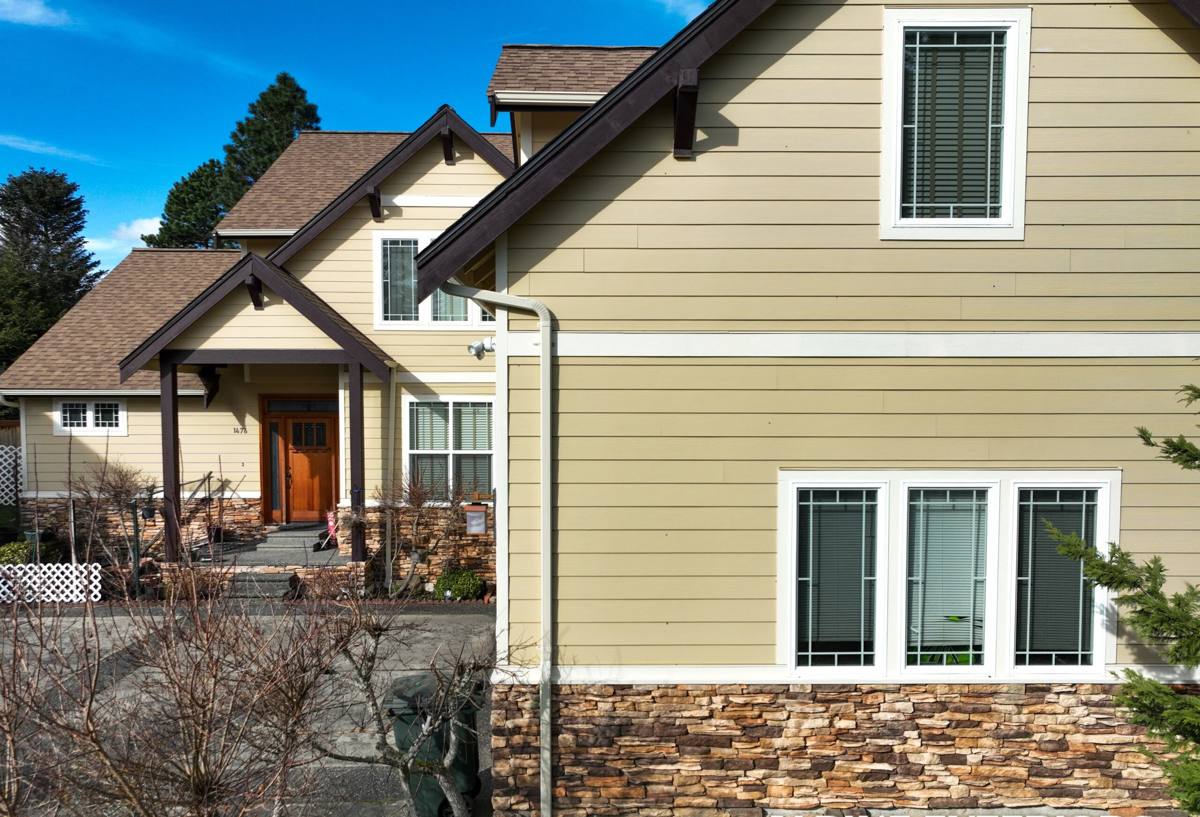
What Pinellas County's Climate Does to Older Windows
St. Petersburg sits on a peninsula in Pinellas County, and the climate here is hard on building materials in a few specific ways that show up clearly in older homes:
Sun and UV
Year-round, intense UV exposure breaks down wood finishes, dries out old glazing putty, and fades or chalks vinyl and painted aluminum frames. On a historic wood-sash window, UV is usually what's cracking the paint film and drying out the glazing compound long before the wood itself fails structurally.
Wind-Driven Rain
Afternoon storms here don't just fall straight down — wind pushes rain sideways into window assemblies, especially on the sides of a house facing open exposure. Old window openings with worn weatherstripping, settled framing, or gaps around old trim let that water in, which is how you end up with soft sill wood, stained interior walls below a window, or a musty smell in a room that never used to have one.
Hurricane-Force Wind and Pressure
Pinellas County's building code requirements exist because this area experiences real hurricane wind loads, not hypothetical ones. Older single-pane windows, and even some older double-pane replacements installed decades ago, were never rated for the wind pressures the current code accounts for. A big pressure swing during a storm can flex glass, pull anchors loose, or blow debris straight through a pane that isn't impact-rated.
Salt Air
Being close to Tampa Bay and the Gulf means airborne salt is a constant, low-level factor. Salt accelerates corrosion on window hardware, screws, and aluminum components, and it can leave a film on glass and frames that ordinary cleaning doesn't fully remove. On a historic home with original or older hardware, this is often what's actually seizing up a sash long before the wood or glass gives out.
What "Custom" Actually Means on a Home Like This
People sometimes assume "custom" just means a higher price tag. On an older Old Southeast home, it means something more practical: the window is built to match the opening and the house, instead of the house being modified to fit a stock window.
Non-Standard Openings
Decades of settling, prior repairs, and hand-built original construction mean that very few openings in a historic home are perfectly square or a standard modern size. Custom manufacturing lets us build to the actual as-built dimensions, including openings that are slightly out of square or a few fractions of an inch off from any current standard size.
Matching Sightlines and Proportions
Historic homes typically have distinct sash proportions, muntin patterns, and trim details that give the house its character. A generic replacement window with a bulky frame or the wrong grille pattern can look noticeably out of place next to original windows on the same elevation, even if it performs fine. Custom windows let us match the visual proportions the house was designed with, which matters both for curb appeal and, in some cases, for local historic character expectations.
Depth and Trim Integration
Older wall assemblies often have different depths than modern construction. A custom window is built to integrate cleanly with existing trim, stucco returns, or wood casing instead of requiring extra buildout material that changes the exterior profile of the house.
Choosing the Right Material and Glass
There's no single "correct" material for every historic home — it depends on the look you want to preserve, your maintenance tolerance, and your budget. Here's how the common options actually compare for a home in this climate and this neighborhood:
| Material | Look on a Historic Home | Maintenance | Climate Durability Here |
|---|---|---|---|
| Wood (custom milled) | Closest match to original character | Highest — needs periodic repainting/sealing against UV and moisture | Good if maintained; vulnerable if neglected in salt air and rain |
| Aluminum-clad wood | Wood interior, low-maintenance exterior | Moderate | Strong — cladding resists UV and salt better than bare wood |
| Fiberglass | Can be painted/detailed to approximate historic profiles | Low | Very good — stable in heat, resists corrosion |
| Vinyl | Limited ability to match slim historic sightlines | Low | Good, but can discolor or warp under sustained intense UV over time |
| Aluminum (impact-rated) | Modern look unless detailed carefully | Low | Excellent structural performance; needs corrosion-resistant hardware near the coast |
Our standard is to recommend the material that fits both the home's character and the owner's realistic maintenance plans — not to push whichever product is easiest to install. If a homeowner wants true wood sash to preserve original character, we'll say plainly what the upkeep involves rather than let that surprise them later.
Impact Glass, Wind Zones, and Building Code
Pinellas County follows Florida's high-velocity wind provisions, and window replacements are generally required to meet current wind-load and impact standards regardless of what was originally installed on the home decades ago. This is one of the more important — and sometimes overlooked — parts of a historic window project.
Impact-Rated Glass
Impact windows use laminated glass that stays intact under debris impact and sustained wind pressure. For a custom historic window, impact glass can usually be built into a frame profile that still matches the home's original sightlines, so you're not choosing between code compliance and appearance.
Permits
Window replacement in St. Petersburg typically requires a permit, and inspectors will check that the installed product and installation method meet the current wind-load rating for the property's location. We handle the permitting process as part of the job rather than leaving it to the homeowner to sort out.
Storm Shutters as an Alternative
Some homeowners prefer to keep original, non-impact-rated glass for authenticity and pair it with removable or accordion storm shutters for protection during storm season. This is a legitimate approach on a historic home, but it does mean actively deploying shutters ahead of a storm rather than having permanent protection built into the glass.
Signs Your Current Windows Are Past Their Useful Life
On homes this age, window failure is rarely sudden — it shows up gradually. Worth checking for:
- Sashes that are difficult to open, stick, or won't stay up without a prop
- Visible gaps between the sash and frame when the window is closed
- Soft, spongy, or discolored wood at the sill or lower frame corners
- Fogging or a permanent haze between panes on any double-pane units
- Noticeable draft or temperature difference near the window when it's closed
- Peeling or bubbling paint concentrated around the window frame specifically
- Visible daylight or gaps around old glazing putty on wood sash windows
- A musty smell or stained wall/trim below a window after heavy rain
Any one of these on its own might just need a repair. Several of them together on the same window, especially on a sun-exposed or storm-exposed side of the house, usually means it's time to talk about replacement instead of another patch.
Our Process for a Historic Old Southeast Window Job
1. On-Site Assessment
We start by looking at the actual condition of each opening — framing, sill, trim, and how the wall assembly is built — not just the visible glass and sash. This tells us what's realistic for custom sizing and what condition the surrounding structure is in.
2. Measuring and Manufacturing Specs
Every opening on a historic home gets measured individually rather than assumed to match its neighbor, even on windows that look identical from the outside. We build the order to match the material, glass rating, and sightline profile that fits both the home's character and current wind-load code.
3. Permitting
We pull the required permit and coordinate the inspection so the finished installation is documented as code-compliant, which matters for insurance and for resale down the road.
4. Removal and Installation
Old sashes and frames are removed carefully to avoid unnecessary damage to original trim or stucco that's being kept. New windows are set, shimmed to true, and mechanically fastened per the manufacturer's wind-rated installation instructions — this last part is where a lot of failures on other jobs actually originate, not in the product itself.
5. Flashing and Weatherproofing
Proper flashing and sealant around the new frame is what actually keeps wind-driven rain out over the long run. This step gets rushed on cheap installs and it's the single biggest cause of leaks around windows that are otherwise fine.
6. Trim and Finish Work
We restore or rebuild trim to match the home's existing profile so the finished opening looks intentional, not patched.
Working Within Historic Character Guidelines
Older neighborhoods in St. Petersburg sometimes have design or architectural review expectations for exterior changes, particularly on street-facing elevations. Requirements vary by property and can change, so we don't assume a blanket answer applies to every home in Old Southeast — we recommend confirming current requirements with the city before finalizing a design, and we're glad to help document sightlines, materials, and profiles in a way that supports that review. Practically, this usually means matching original sash proportions, muntin patterns, and frame material appearance on visible elevations, while giving more flexibility on non-visible sides of the house like a rear addition or a side facing a neighboring property line.
What Actually Drives the Cost
Custom window pricing on a historic home varies more than on a typical newer house, mainly because every opening can be a little different. As a rough general guide, fully custom, wind-rated replacement windows for a home like this often run in the low-to-mid thousands per opening installed, with wood or aluminum-clad options at the higher end and vinyl or fiberglass at the lower end — but the real number depends on the factors below.
| Cost Factor | Why It Matters |
|---|---|
| Opening size and shape | Larger or non-standard openings require more custom manufacturing time |
| Material chosen | Wood and aluminum-clad typically cost more than vinyl or standard aluminum |
| Impact rating | Laminated impact glass costs more than standard or storm-shutter-protected glass |
| Trim and finish complexity | Matching historic trim profiles adds labor beyond the window unit itself |
| Number of openings done together | Doing multiple windows in one project typically reduces per-window cost |
| Condition of the existing framing | Rot or settled framing found during removal adds repair scope |
We give a firm, itemized quote before any work starts, so there's no ambiguity about what's driving the price on your specific home.
Why a Crew That Already Works This Neighborhood Matters
A contractor who's worked in Old Southeast before already knows what to expect from these openings — out-of-square framing, older trim details, and the reality of what's under the surface on a home this age. That experience shows up in fewer surprises mid-project, more accurate quotes up front, and a finished job that respects how the house actually looks rather than treating it like a standard modern build. It also means we're familiar with the local permitting process and the practical realities of coastal Pinellas County wind and moisture exposure, so the windows we install are specified correctly the first time.
Get a Straightforward Estimate
If you're weighing whether to repair, replace, or start planning custom windows for a historic Old Southeast home, we're happy to take a look and give you an honest read on your options — no pressure, no obligation. Use the form below to request a free estimate.