 St. Petersburg Roofing
 New Roofs in Pinellas Park Have to Answer to Florida Weather, Not Just Looks
Pinellas Park sits in the heart of Pinellas County, close enough to Tampa Bay and the Gulf that every roof here deals with the same short list of stresses: hurricane-force wind gusts during storm season, intense UV exposure nearly every day of the year, wind-driven rain that finds any gap in flashing or shingles, and a steady dose of salt air that speeds up corrosion on metal components. A new roof installed in this area isn't a cosmetic project — it's a system that has to hold up under real pressure for fifteen to thirty years, depending on the material.
That's the lens we use for every new roof installation in Pinellas Park: not "what looks good," but "what will actually perform here." The right materials, the right fastening pattern, and the right attention to flashing and ventilation matter more in this climate than in most parts of the country.
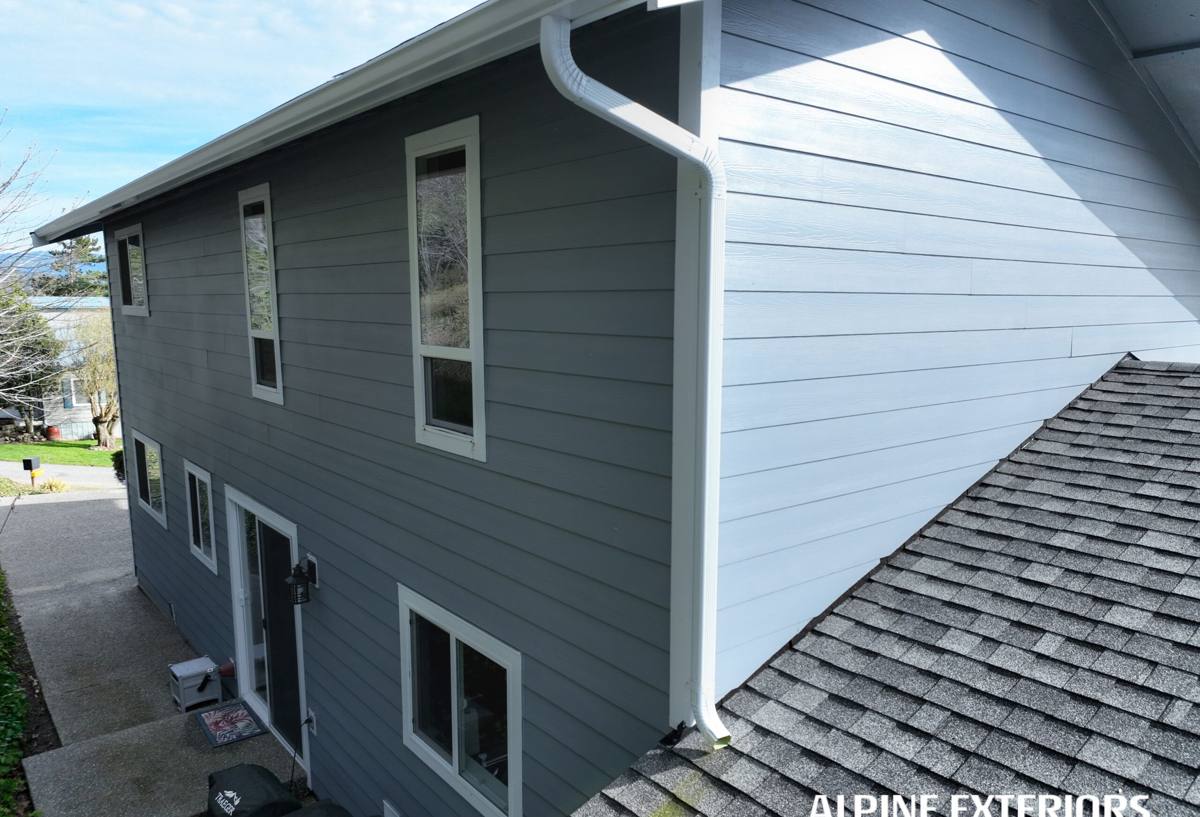
What Pinellas Park Roofs Are Up Against
Wind
Pinellas County building code requires roofing systems to meet specific wind-resistance standards, and for good reason — tropical storms and hurricanes are a regular part of life here. A roof that's improperly fastened, or that uses an under-rated product, is the weak point that lets a storm turn a shingle problem into a structural one.
UV and Heat
Florida sun breaks down roofing materials faster than in cooler, cloudier climates. Asphalt shingles lose their granules and oils over time under constant UV exposure, and attic heat buildup without proper ventilation accelerates that aging from underneath as well as above.
Wind-Driven Rain
It's rarely straight-down rain that causes leaks here — it's rain pushed sideways and upward under wind pressure, which is why flashing, underlayment, and edge details matter as much as the field material itself.
Salt Air
Being close to the coast means airborne salt accelerates corrosion on exposed metal — fasteners, flashing, vents, and drip edge. Material choice and hardware quality make a real difference in how long those components last.
What a Correct New Roof Installation Actually Involves
A new roof is more than stripping the old material and nailing down new shingles. Done right, it includes several layers that most homeowners never see but that determine whether the roof performs for its full lifespan:
- Deck inspection and repair — any rotted, soft, or water-damaged plywood or OSB gets replaced before anything new goes down. Installing over a compromised deck voids the point of a new roof.
- Underlayment — a synthetic or self-adhering underlayment provides the actual water barrier beneath the visible roofing material, especially important given how often wind-driven rain gets up under the surface layer here.
- Flashing — around chimneys, vents, skylights, and roof-to-wall transitions, flashing is where most leaks originate if it's rushed or reused instead of replaced.
- Fastening pattern — nail or fastener count and placement are dictated by Florida Building Code wind requirements, not just manufacturer minimums.
- Ventilation — proper intake and exhaust airflow keeps attic temperatures and moisture in check, which protects both the roof deck and the shingles from the inside out.
- Drip edge and gutters integration — water needs a controlled path off the roof, not a chance to work its way behind fascia or into the eaves.
Material Options for a Pinellas Park New Roof
There's no single "best" roofing material — the right choice depends on budget, how long you plan to stay in the home, and how much long-term maintenance you're willing to take on. Here's how the common options stack up for this climate:
| Material | Wind Performance | Heat/UV Durability | Salt Air Resistance | Typical Lifespan |
|---|---|---|---|---|
| Architectural Asphalt Shingle | Good, when rated and installed to code | Moderate — granule loss over time | Good with quality fasteners | 20–30 years |
| Metal (standing seam) | Excellent | Excellent — reflects heat | Good with coated/marine-grade fasteners | 40–50+ years |
| Concrete/Clay Tile | Excellent when properly fastened | Excellent | Excellent | 50+ years |
| 3-Tab Asphalt Shingle | Fair — lower wind rating than architectural | Lower | Fair | 15–20 years |
We'll walk you through the honest trade-offs for your specific home — upfront cost versus lifespan, weight considerations for older roof structures, and what each option actually costs to maintain over time — rather than steering you toward whatever is easiest to install.
How Our New Roof Installation Process Works
- On-site inspection and estimate. We look at the current roof, the deck condition where visible, attic ventilation, and any problem areas, then give you a clear written estimate — no pressure, no vague pricing.
- Material selection. We go over the options above based on your budget, how long you plan to own the home, and what the roof's pitch and structure can support.
- Permitting. New roof installations in Pinellas County require a permit and inspection. We handle that paperwork so you don't have to chase it down yourself.
- Tear-off and deck inspection. The old roofing comes off down to the deck, and any damaged sheathing is identified and replaced before moving forward.
- Underlayment and flashing installation. This is the water-barrier layer that does the real work during wind-driven rain events.
- New roofing material installation. Installed to the fastening spec required for our wind zone, not just manufacturer minimums.
- Ventilation check and adjustment. We confirm intake and exhaust airflow is adequate for the home's attic space.
- Final walkthrough and cleanup. Full site cleanup, magnetic sweep for stray nails, and a walkthrough so you know exactly what was done.
- Inspection sign-off. We coordinate the final county inspection so the permit closes out properly — important for resale and insurance records down the line.
Permits, Wind Mitigation, and Insurance
A new roof installed to current Florida Building Code standards can qualify your home for a wind mitigation inspection, which many insurance carriers use to adjust premiums. It's worth asking your insurance agent about this once the new roof is complete — the paperwork from a permitted, inspected installation is exactly what carriers want to see. Skipping the permit process to save time or money is a false economy: it can complicate a future home sale and may give an insurer grounds to deny a claim later.
Why a Crew That Already Works in Pinellas Park Matters
Roofing code, permitting requirements, and wind-zone specs aren't identical everywhere in Florida — they're tied to the county and the specific wind-speed zone a property falls in. A crew that regularly works in Pinellas Park and the broader St. Petersburg area already knows the Pinellas County permitting process, has working relationships with local material suppliers, and understands how this specific stretch of coastline's wind and salt exposure differs from, say, an inland county. That familiarity shows up in fewer delays, fewer surprises during inspection, and a roof that's built to the standard this area actually requires — not a generic install.
It also means faster response if a storm damages your roof later. A local crew isn't juggling a multi-state schedule; we're already in the neighborhood.
Signs Your Pinellas Park Home Needs a New Roof (Not Just a Repair)
- Shingles that are curling, cupping, or missing granules across large sections of the roof, not just one spot
- Multiple active leaks or water stains appearing in different rooms
- A roof deck that feels soft or spongy when walked on
- Visible daylight through the attic roof boards
- The roof is already past, or close to, its material's expected lifespan
- Repeated storm damage that's made patch repairs unreliable
- Rising energy bills tied to poor attic ventilation or insulation failure at the roof line
What Affects the Cost of a New Roof Installation
Every home is different, but the main cost drivers for a Pinellas Park new roof installation are consistent:
- Roof size and pitch — more square footage and steeper slopes mean more material and labor time.
- Material choice — asphalt shingle installations are generally the most budget-friendly upfront, with metal and tile costing more initially but lasting significantly longer.
- Deck condition — hidden rot or water damage found during tear-off adds material and labor to replace it, which is why an accurate estimate accounts for the possibility rather than ignoring it.
- Number of existing layers — removing multiple layers of old roofing takes more labor than a single-layer tear-off.
- Roof complexity — additional valleys, dormers, chimneys, and skylights all add flashing work.
As a rough guide, a straightforward architectural shingle replacement on an average Pinellas Park home often falls somewhere in the low-to-mid five figures, with metal or tile running higher. The only way to get a number you can actually rely on is a physical inspection — we don't quote sight-unseen.
Caring for Your New Roof After Installation
A properly installed roof still benefits from basic upkeep, especially in this climate:
- Have gutters cleaned regularly so water isn't backing up under the roof edge
- Trim back overhanging tree limbs that drop debris or scrape shingles in wind
- Schedule a visual inspection after any major storm, even if nothing looks obviously wrong
- Watch for granule buildup in gutters, which can signal accelerated shingle wear
- Keep an eye on attic ventilation, especially during peak summer heat
If you're weighing a new roof for your Pinellas Park home, we're happy to come take a look and give you a straight answer — no pressure, no inflated scare tactics, just an honest assessment and a written estimate. Reach out using the form below for a free estimate.