 St. Petersburg Roofing
 Storm Damage Roof Repair for Pinellas Park Homes
Pinellas Park sits in the middle of one of the most weather-exposed counties in Florida. Homes here take a beating from every direction: tropical systems that push wind and rain sideways, a sun that bakes shingles for most of the year, and salt-laden air drifting in from both Tampa Bay and the Gulf. None of that is unique to any one street or subdivision in town — it's the reality for every roof in Pinellas County. What matters is how a roof responds to it, and whether the damage gets caught and repaired correctly before it turns into something worse.
St. Petersburg Roofing Co repairs storm-damaged roofs in Pinellas Park as a regular part of our work in this part of the county. This page covers what actually happens to roofs here during and after storms, what a correct repair looks like, and how we handle the job from first look to final inspection.
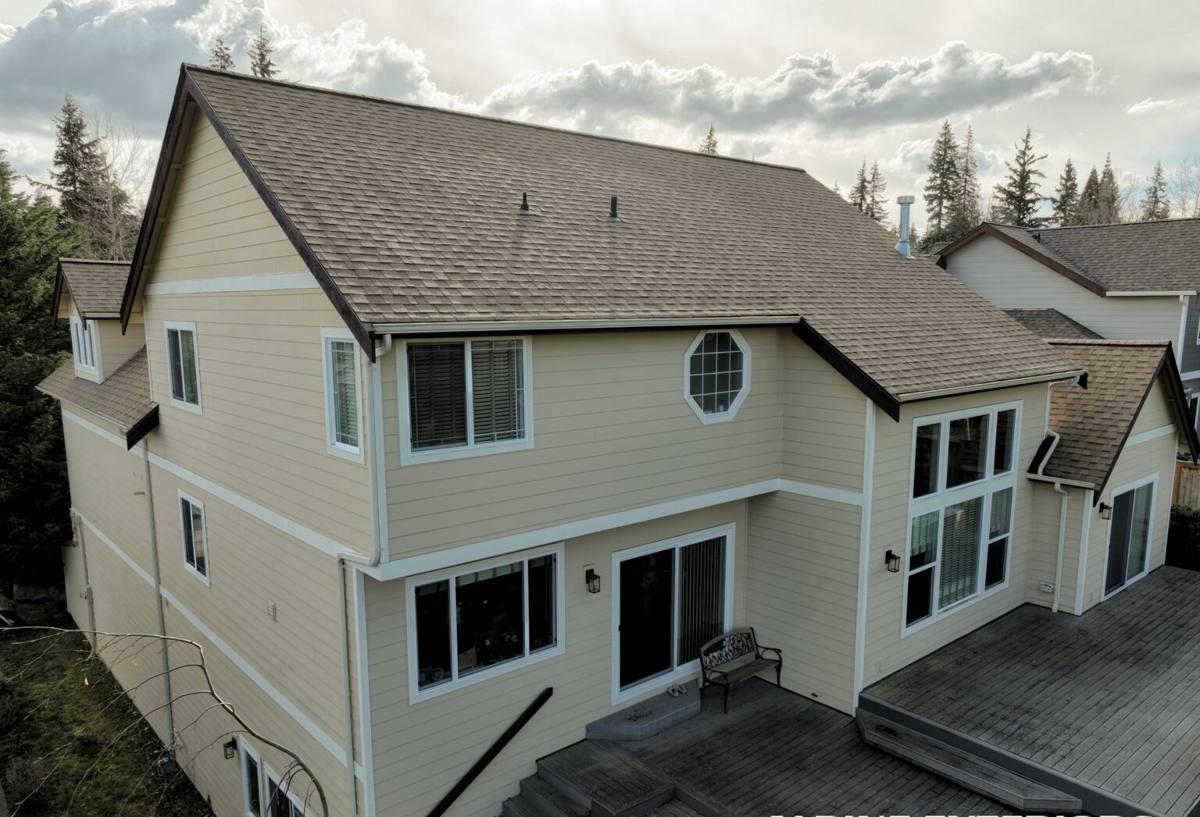
How Storms Actually Damage a Roof Here
"Storm damage" covers a wider range of problems than most homeowners expect. It's rarely just missing shingles. Understanding the mechanics helps explain why a proper repair sometimes involves more than patching the spot that's visibly wrong.
Wind Uplift and Shingle Loss
Florida building code requires roofing systems to meet minimum wind-resistance ratings, but even code-compliant roofs can lose shingles when gusts get underneath a tab edge, a ridge cap, or a section where the seal has already weakened from age or heat. Once wind lifts one shingle, it usually damages or loosens the ones around it, and the exposed nail line and underlayment become the next point of failure.
Wind-Driven Rain Intrusion
Straight-down rain and sideways rain behave very differently on a roof. When wind drives rain horizontally, water can work its way under shingle edges, around flashing, and into vents and pipe boots that would shed water fine in a normal shower. This is one of the most common ways a roof that "looks okay from the ground" ends up with an active interior leak after a storm.
UV and Heat Cycling
Between storms, Pinellas County roofs spend the rest of the year absorbing intense, near-constant UV exposure. That heat and light cycle dries out asphalt shingles, makes sealant strips brittle, and degrades underlayment faster than in cooler climates. A roof that's already UV-fatigued has far less flexibility to handle wind and impact without cracking or tearing, which is why storm damage often shows up worse on older, sun-worn roofs.
Salt Air Corrosion
Metal components — flashing, fasteners, drip edge, vent housings — corrode faster this close to the water. Corroded fasteners lose their grip strength, and corroded flashing can develop pinholes or seams that open up exactly where you need a tight seal. After a storm, we specifically check metal components for hidden corrosion damage that wind and rain exposed but didn't directly cause.
Warning Signs Worth a Roof Check After a Storm
Some storm damage is obvious. A lot of it isn't visible from the ground or even from a quick walk around the attic. After any significant wind or rain event, it's worth checking for the following:
- Missing, cracked, or curled shingles, especially near ridges, edges, and valleys
- Granules collecting in gutters or at downspout outlets
- Soft spots or discoloration on ceilings, especially near exterior walls or vents
- Daylight visible through the roof deck from inside the attic
- Lifted or dented flashing around chimneys, skylights, or roof-to-wall joints
- Debris punctures or dents from wind-blown branches or hail
- Loose or missing pipe boots and vent covers
- Musty smell in the attic, which often points to moisture that hasn't fully dried out
If you notice any of these after a storm, it's worth having someone look before the next round of rain finds the same weak spot.
What a Correct Storm Damage Repair Involves
A repair that only addresses the visible surface damage often leaves the underlying cause untouched. We treat storm repair as a layered job, not a patch job.
Emergency Mitigation First
If a roof has active exposure — a torn section, missing decking, or an open area letting water in — the first priority is stopping further water intrusion. That usually means tarping or temporary sealing until permanent repairs can be scheduled and materials are on hand.
Full Damage Assessment
Before any repair starts, we check the roof deck, underlayment, flashing, and ventilation components, not just the shingle layer. Wind and wind-driven rain can damage all four independently, and repairing shingles over a compromised deck or underlayment just hides the problem instead of fixing it.
Matching Materials and Technique
Where shingles need replacing, we match the existing product as closely as possible in weight, profile, and color so the repair doesn't stand out or create an uneven wear pattern down the road. Nailing pattern and fastener spacing matter here too — under-nailing is a common cause of repeat wind damage in this area.
Flashing and Underlayment Repair
Flashing and underlayment are what actually keep water out; shingles are the first line of defense, not the only one. Any flashing that's bent, corroded, or no longer sealing gets replaced rather than re-sealed over, and any exposed or torn underlayment gets properly integrated back into the surrounding roof system.
Repair or Replacement: How We Help You Decide
Not every storm-damaged roof needs full replacement, and not every roof is worth repairing indefinitely. The right call depends on a few honest factors.
| Factor | Leans Toward Repair | Leans Toward Replacement |
|---|---|---|
| Extent of damage | Isolated area, single slope, or a few sections | Widespread damage across most of the roof |
| Roof age | Roof is under roughly 10-12 years old | Roof is near or past its expected service life |
| Underlying condition | Deck and underlayment are sound | Deck rot, widespread underlayment failure, or repeated past repairs |
| Material availability | Matching shingles are still available | Discontinued product with no close match |
| Typical cost range | Generally a few hundred to a few thousand dollars, depending on scope | A larger investment, but resets the roof's full lifespan |
We'll walk through where your roof falls on this before recommending either direction — our goal is an honest assessment, not the bigger invoice.
How We Handle a Storm Damage Repair, Start to Finish
- Inspection. We examine the full roof system — shingles, flashing, underlayment, vents, and the visible attic deck — and document what we find.
- Written scope and estimate. You get a clear explanation of what's damaged, what needs to be repaired, and why, in plain language.
- Temporary protection, if needed. Any active leak or exposed area gets secured before permanent work begins.
- Repair work. We replace damaged materials, correct the underlying cause where one exists, and reintegrate flashing and underlayment properly rather than layering over them.
- Final check. We confirm the repair is watertight and consistent with the surrounding roof before calling the job done.
Storm Damage and Insurance Claims
Many storm repairs in this area go through a homeowner's insurance claim. We can document damage clearly enough to support a claim, but we're a roofing contractor, not an adjuster or a public claims specialist — we won't tell you what your policy covers or promise a claim outcome. What we can do is give you an honest, itemized picture of the actual roof condition and repair scope, which is the information that makes a claim conversation go smoother, whether you're working with your insurer directly or with a public adjuster.
Why It Matters That We Already Work in Pinellas Park
A roofing crew that regularly works Pinellas Park and the surrounding St. Petersburg area has a working knowledge of how local roofs typically age and fail — which materials hold up to the wind and salt exposure here, which flashing details tend to be weak points on homes built in different decades in this part of Pinellas County, and what the local permitting and inspection process actually requires. That's different from a crew that shows up after a storm from out of the area, does a quick patch, and moves on. We're still here afterward if a repair needs a follow-up look, and we're not guessing at code requirements or wind-zone standards that apply specifically to this county.
Get a Free, No-Pressure Roof Estimate
If your Pinellas Park roof took a hit from wind, rain, or just months of Florida sun and salt air, we're glad to take a look and give you a straight answer about what it needs — repair, monitoring, or something more. Fill out the form below to schedule a free estimate, no pressure and no obligation.