 St. Petersburg Roofing
 New Roof Installation Built for Pinellas Point
Pinellas Point sits on a peninsula at the southern tip of St. Petersburg, with water on multiple sides. That location is part of what makes the neighborhood desirable, but it also means homes here take a harder hit from the elements than a house ten miles inland. Salt-laden air moves through the area more consistently, UV exposure is relentless nearly year-round, and when a storm comes through, wind-driven rain arrives from more directions than it would in a more sheltered part of the county. A new roof installed here has to be specified and installed with that reality in mind, not just built to a generic code minimum.
This page covers what a correct new roof installation looks like specifically for Pinellas Point homes — the materials, the details that matter most in this environment, and how our process works from first look to final inspection.
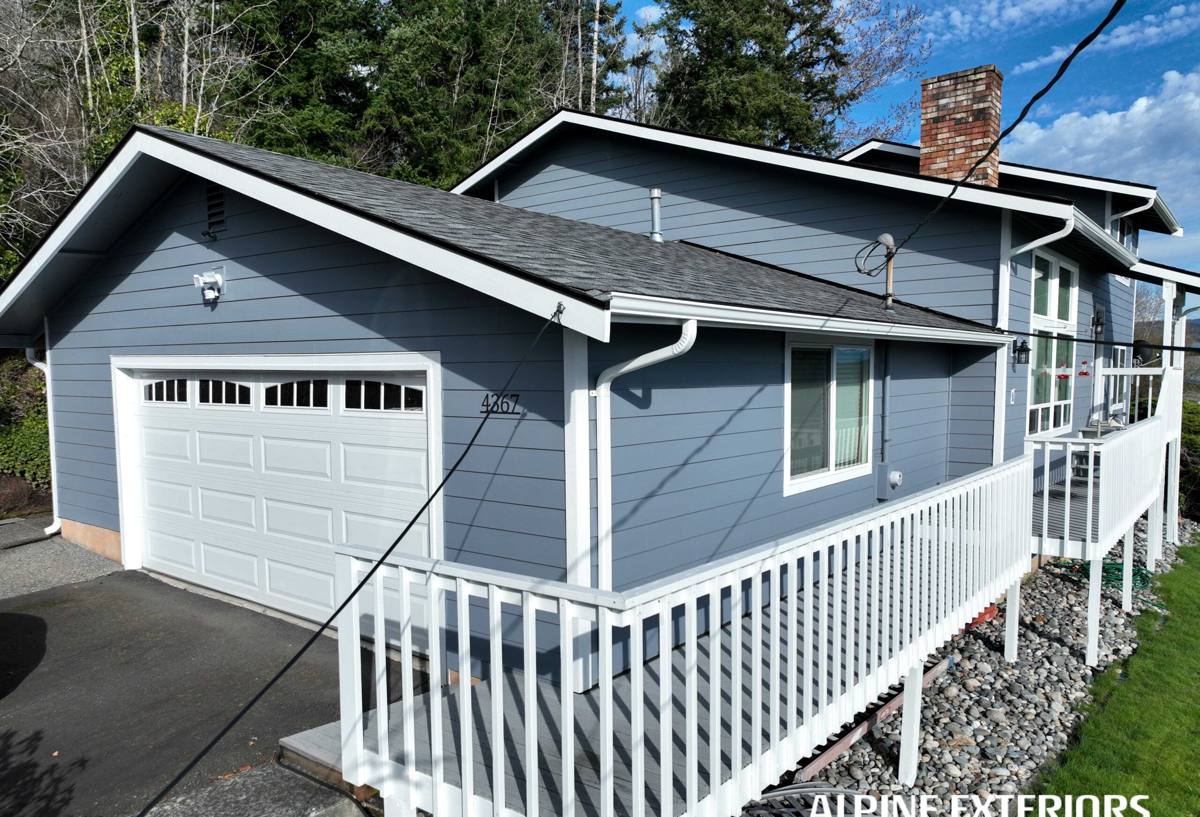
What Pinellas County's Climate Actually Does to a Roof
It helps to be specific about the forces at work, because they drive real decisions in material choice and installation method:
- Hurricane-force wind: Pinellas County sits in a high-wind zone, and Florida Building Code reflects that with strict wind-uplift and fastening requirements. A roof isn't just resisting steady wind — it's resisting gusts that try to peel material from the edges and corners first.
- Salt air: Being surrounded by water means airborne salt reaches roofing metal, fasteners, and flashing more consistently than in inland neighborhoods. Salt accelerates corrosion in lower-grade metal components and can shorten the working life of anything not rated for coastal exposure.
- Year-round UV: Florida's sun degrades roofing materials through a combination of heat cycling and ultraviolet breakdown. Asphalt shingles lose oils and granules faster under sustained UV; underlayments and sealants have to be rated for it too.
- Wind-driven rain: Storms in this area rarely deliver rain straight down. Wind pushes water sideways and upward under laps, edges, and penetrations — which is why flashing detail and underlayment matter as much as the visible roof covering.
None of this means Pinellas Point homes need exotic materials. It means the installation has to respect these forces at every layer, not just the top one.
What a Correct New Roof Installation Includes
Tear-Off and Deck Inspection
We don't install new roofing over old material, and we don't skip inspecting the deck once the old roof is off. Plywood or OSB decking that's been holding moisture, especially around old penetrations or valleys, needs to be identified and replaced before anything new goes down. Roofing over a compromised deck just hides a problem that will resurface, and it can void manufacturer warranties outright.
Underlayment
In a high-wind, wind-driven-rain environment, underlayment is a real line of defense, not a formality. Self-adhering underlayment at eaves, valleys, and around penetrations gives extra protection where wind-driven water is most likely to find a way in. The rest of the deck gets a synthetic or felt underlayment matched to the roof covering and local code requirements.
Flashing
Flashing around chimneys, skylights, walls, and roof-to-wall transitions is one of the most common failure points on any roof, and it's where salt air does the most damage to inferior metal. We use corrosion-resistant flashing material and take the time to form and seal it correctly rather than relying on sealant alone to do the job.
Fastening to Florida Building Code Wind Standards
Nail or fastener pattern, type, and placement are not places to cut corners in this county. Proper fastening is what keeps shingles, tiles, or metal panels attached during the wind events this area is built to withstand, and it's inspected accordingly.
Ventilation
Attic ventilation affects how long roofing materials last and how hard your air conditioning has to work. A hot, poorly ventilated attic bakes shingles from underneath and shortens their service life. We evaluate intake and exhaust ventilation as part of every new roof installation, not as an afterthought.
Roofing Material Options for a Waterfront Peninsula Neighborhood
There's no single "best" roofing material for every home — it depends on the roof structure, the home's style, and the homeowner's priorities around cost, longevity, and maintenance. Here's an honest comparison of the options we install most often in this area:
| Material | Typical Lifespan | Coastal/Wind Considerations | Maintenance |
|---|---|---|---|
| Architectural asphalt shingles | 20–30 years | Rated shingles with proper wind-rated fastening perform well; UV-stabilized products hold up better under Florida sun | Low to moderate |
| Metal roofing (standing seam or coated panel) | 40–50+ years | Excellent wind performance when properly fastened; needs corrosion-resistant fasteners and coatings in salt air exposure | Low |
| Concrete or clay tile | 40–50+ years | Heavy, wind-resistant when correctly attached; underlayment and fastening detail matter more than the tile itself | Low, but individual tiles can crack and need replacement |
| Flat/low-slope membrane (for additions, porches, garages) | 15–25 years | Common on Florida ranch-style additions; seams and flashing are the vulnerable points in wind-driven rain | Moderate — periodic seam and drain checks |
We'll walk through which of these fits your home's structure, style, and budget honestly — including the trade-offs, not just the upsides.
Why Roof Design Details Matter More Near the Water
Homes closer to open water tend to see more direct wind exposure with fewer trees and structures to break it up. That affects roof design decisions that get overlooked on a lot of new roof jobs:
- Edge and corner detailing, where wind uplift forces concentrate first, gets extra attention in fastening and material selection.
- Ridge and hip caps need to be properly sealed and fastened, since these are common spots for wind to work material loose over time.
- Penetrations for vents, plumbing stacks, and HVAC lines need flashing and sealant rated for sustained UV and salt exposure, not general-purpose sealant that breaks down in a season or two.
- Gutter and drip-edge integration needs to actually shed wind-driven rain away from the fascia and soffit, not just look finished from the ground.
Our New Roof Installation Process
1. On-Site Assessment
We inspect the existing roof, deck condition (where visible), attic ventilation, and any problem areas the homeowner has already noticed — leaks, soft spots, missing granules, curling shingles. We also look at the home's exposure: how much of the roof faces open water or prevailing wind directions.
2. Honest Material and Scope Recommendation
We explain the material options that make sense for your roof structure and budget, including realistic lifespan and maintenance expectations for each. We're not going to recommend something we wouldn't stand behind on our own homes.
3. Written Estimate
You get a clear, itemized estimate before any work starts — no vague allowances, no surprise change orders for things that should have been scoped up front.
4. Permitting
New roof installations in St. Petersburg and Pinellas County require permits, and inspections confirm the work meets Florida Building Code wind and fastening requirements. We handle this as a normal part of the job.
5. Tear-Off, Deck Repair, and Installation
Old material comes off, the deck gets inspected and repaired as needed, and the new roofing system goes on in the sequence described above — underlayment, flashing, roof covering, ventilation, and fastening, all to code.
6. Final Inspection and Cleanup
The job isn't done until it passes final inspection and your property is cleaned up, including magnetic sweeps for stray fasteners in yards and driveways.
Signs Your Pinellas Point Home May Need a New Roof
- Shingles that are curling, cracking, or missing granules in patches
- Visible sagging anywhere on the roof plane
- Daylight visible through the attic roof deck
- Frequent minor leaks after wind-driven rain events, even if a patch has been applied before
- Roofing material that's approaching or past its expected service life for its type
- Rising energy bills that may point to failing ventilation or insulation tied to roof condition
- Difficulty getting affordable insurance coverage or renewal, which increasingly hinges on roof age and condition in this part of Florida
Why Hiring a Crew That Already Works Pinellas Point Matters
A roofing crew that regularly works this specific area understands things a crew unfamiliar with the neighborhood might miss: how exposed a given street or section of the peninsula is to open water, what permitting and inspection process to expect from the city and county, and what installation details actually hold up here versus what merely meets minimum code on paper. That local familiarity shows up in fewer surprises during the job and a roof that's actually built for the conditions it will face, not just the conditions on a spec sheet.
It also matters for warranty and follow-up service. A contractor who's established in St. Petersburg and Pinellas County isn't going anywhere if you need a follow-up visit, a warranty claim, or advice on maintenance five or ten years down the road.
A Straightforward Estimate, No Pressure
If your Pinellas Point home needs a new roof — or you're not sure yet and just want an honest assessment of what condition it's in — we're happy to take a look. The estimate is free, there's no pressure to commit on the spot, and you'll get a clear explanation of what we find and what your realistic options are. Fill out the form below to get started.