 St. Petersburg Roofing
 Roof Replacement in Historic Old Southeast
Historic Old Southeast is one of St. Petersburg's older residential neighborhoods, and that shows in the roofs. Many homes here were built decades before today's wind-load codes and modern underlayment products existed, and quite a few have been re-roofed at least once already, sometimes more than once, with materials that didn't always match the house or the climate. Replacing a roof in this neighborhood isn't the same job as replacing one on a five-year-old production-built house across the bay. The framing, the deck, the eaves, and often the neighborhood's own character all factor into doing it right.
We work roofs in this part of St. Petersburg regularly, which means we already have a feel for the roof pitches, deck conditions, and ventilation quirks common to the area's older housing stock. That familiarity saves time during the estimate and prevents surprises once a crew is standing on the deck.
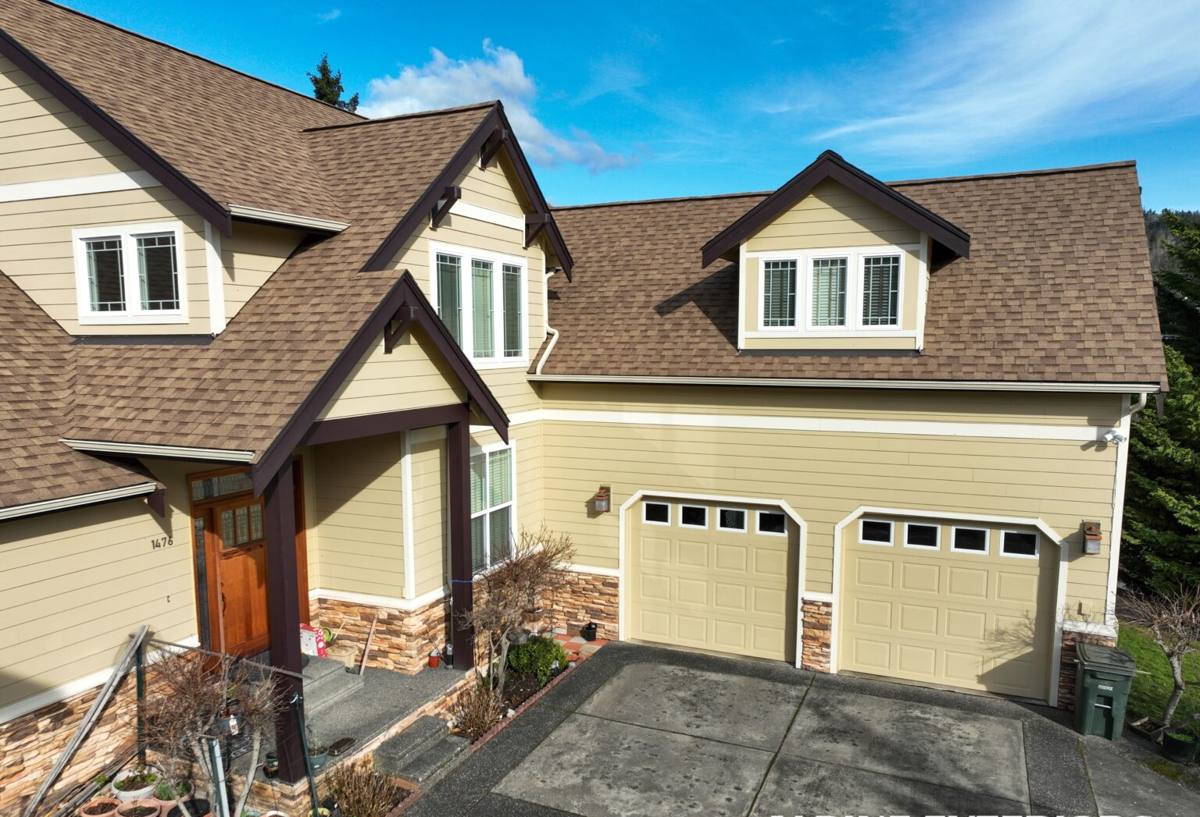
What Pinellas County Weather Does to an Older Roof
St. Petersburg sits on a peninsula, and the climate here is not gentle on roofing. A few things compound on an older Old Southeast roof faster than they would on newer construction:
- Hurricane-force winds: Older roof decks were often fastened to a lower standard than current code requires. Over the years, nail withdrawal and deck fatigue can leave a roof more vulnerable to wind uplift than it looks from the ground.
- Intense, year-round UV exposure: Florida sun breaks down asphalt shingle oils and degrades underlayment faster than in most of the country. A shingle rated for 25 years in a milder climate may not deliver that here.
- Wind-driven rain: Rain that comes in sideways during a storm finds every weak seam, undersized flashing, and worn valley. Older homes with additions, dormers, or multiple roof planes have more of these transition points than a simple new-construction roofline.
- Salt air: Being close to Tampa Bay and the Gulf means metal fasteners, flashing, and vents corrode faster than they would inland. Cheap or mismatched metal components are often the first thing to fail.
None of this is unique to Old Southeast, but it hits older roofs harder because the original materials and details weren't built for the codes and products we work with today.
Common Roof Issues We Find on Older Homes in This Neighborhood
When we inspect a roof on a home in this part of St. Petersburg, a handful of issues come up more often than not:
Deck and framing wear
Original wood decking on older homes can be thinner than what's used today, and decades of heat cycling and past leaks can leave sections soft or delaminated. A replacement is the point where this gets found and fixed, not patched over.
Layered or mismatched prior roofs
It's common to find a roof that's been recovered rather than fully torn off in the past. Extra layers add weight, trap moisture, and hide problems in the deck below. A proper replacement means stripping back to the deck and starting clean.
Ventilation that doesn't match the attic
Many older attics were designed around ridge and gable vents that no longer move enough air for current insulation levels or for Florida's heat and humidity. Poor ventilation shortens the life of a new roof no matter how good the shingles are.
Flashing around additions and complex rooflines
Historic neighborhoods tend to have homes with additions, porches, and roof transitions added over the years. Each transition is a place where flashing has to be done correctly, and it's usually where an underbuilt roof leaks first.
Choosing a Roofing Material That Fits an Older Home
Homeowners in Historic Old Southeast usually care about two things at once: how the roof performs in this climate, and how it looks on a house with real architectural character. Those two goals aren't in conflict, but they do narrow the field.
| Material | Fit for Older/Historic Homes | Wind & Storm Performance | Maintenance |
|---|---|---|---|
| Architectural asphalt shingles | Wide range of colors and profiles that read well on bungalow and traditional rooflines | Good, with proper nailing and rated products | Low; periodic inspection |
| Standing seam metal | Works on simpler rooflines; less common visually on ornate historic homes but increasingly accepted | Excellent wind uplift resistance when installed correctly | Very low; watch fastener and sealant condition near the coast |
| Concrete or clay tile | Matches Mediterranean Revival and similar styles found in older St. Petersburg neighborhoods | Strong when properly fastened; individual tiles can crack from impact | Moderate; underlayment beneath tile still has a service life |
We don't push one product on every house. The right call depends on the roof's pitch, the home's architectural style, the budget, and how long the homeowner plans to stay in the house. What we won't do is install a product in a way that ignores how it actually performs in coastal wind and UV conditions just because it's cheaper up front — that's a decision that costs homeowners more down the road in maintenance or premature failure.
What a Correct Roof Replacement Involves
A roof replacement done right isn't just stripping old shingles and nailing down new ones. On an older Old Southeast home, the sequence matters:
- Full tear-off to the deck. No recovering over old layers. This is the only way to actually see the condition of the wood underneath.
- Deck inspection and repair. Soft, delaminated, or undersized decking gets replaced before anything new goes down, not patched around.
- Correct underlayment for the climate. A high-quality synthetic or self-adhered underlayment matters more here than in drier, milder climates because of the UV and wind-driven rain exposure.
- Proper fastening for wind rating. Nailing pattern and fastener spacing are matched to the product's rated wind speed, not just "enough to hold it down."
- New flashing at every transition. Valleys, walls, chimneys, and roof-to-wall junctions get new metal flashing, not the old pieces reused.
- Ventilation check and correction. Intake and exhaust venting are balanced to the attic, not just left as they were.
- Final inspection and cleanup. Nails, debris, and material are cleared from the property, including flower beds and gutters.
Permitting and Working Around an Established Property
Roof replacements in the City of St. Petersburg require a permit and inspection, and that process applies here the same as anywhere else in the city. Homes in older, established neighborhoods sometimes come with additional wrinkles worth planning for: mature tree canopy that limits staging and equipment access, older driveways and landscaping that need protection during tear-off, and in some cases neighborhood or architectural expectations about how a roof should look from the street. None of this should slow the job down if it's planned for up front, which is part of why local experience on this kind of property matters as much as roofing skill itself.
Signs Your Roof Needs Replacement, Not Another Repair
Not every roof problem means a full replacement. But on an older home, these signs usually mean repair is no longer the honest recommendation:
- Shingles that are cupping, curling, or losing granules across large sections of the roof, not just one spot
- Multiple past repairs in different areas, suggesting the underlying material is at the end of its service life
- Soft spots or visible sagging when walked on or viewed from the attic
- Daylight visible through the roof deck from inside the attic
- Recurring leaks in the same general area despite prior patch work
- A roof more than 20 years old that hasn't been replaced, especially if the original installation predates current wind codes
- Visible granule buildup in gutters and downspouts season after season
Why Working With a Crew That Already Knows This Neighborhood Matters
A roofing crew that's already worked Historic Old Southeast homes isn't guessing at what they'll find under the shingles. They know the general age range of construction in the area, the kinds of additions and roofline complexity that show up, and how to stage a job around mature landscaping and narrower older lots without causing damage. That familiarity translates into a more accurate estimate the first time, fewer change orders once tear-off starts, and a crew that treats the property with the care an older home deserves.
It also matters for something less visible: knowing which products and installation details actually hold up against Pinellas County's combination of hurricane wind exposure, relentless UV, wind-driven rain, and salt air, rather than what looks good on a spec sheet from a milder climate.
Get a Free, No-Pressure Estimate
If your roof in Historic Old Southeast is showing its age or you're just planning ahead, we're glad to take a look and give you a straightforward assessment of what condition it's actually in and what your options are. There's no obligation and no pressure — just an honest look at your roof from a crew that already knows this neighborhood. Use the form below to request your free estimate.