 St. Petersburg Roofing
 Old Northeast is one of St. Petersburg's oldest neighborhoods — brick streets, a heavy oak canopy, and homes that mostly date back to the 1910s through the 1930s. That combination makes roof replacement here a different job than a newer subdivision roof, even a few miles away. The roof framing and decking under an original bungalow or Mediterranean Revival home wasn't built to modern code, tree cover keeps sections of roof shaded and slow to dry, and the whole neighborhood sits close enough to Tampa Bay that salt air is a constant factor. Layer on Pinellas County's exposure to hurricane-force winds, wind-driven rain, and some of the most intense, nearly year-round UV in the country, and it's clear why a roof here needs more than a standard install. This page covers what an Old Northeast home actually needs from a roof replacement, what correct installation involves, and how our process works from first look to final walk-through.
Why Old Northeast Roofs Wear Differently
A handful of factors specific to this neighborhood combine with the broader St. Petersburg climate to put extra stress on a roof, and they don't act in isolation — they compound.
Mature Tree Canopy
The oak canopy that gives Old Northeast its character also means more leaf litter, acorns, and organic debris landing on roofs than a home in a newer, more open subdivision would see. That debris collects in valleys and against roof-to-wall transitions, holds moisture, and keeps those spots from drying out fully between rain events. Shaded roof sections, especially on the north side of a home, tend to grow moss and algae faster and need more attention to ventilation to keep the deck dry underneath.
Original Roof Framing and Decking
Homes from this era were framed to the standards of their time, which weren't written with today's wind-load and moisture-barrier requirements in mind. Roof decking on an original structure may be old-growth wood planks rather than modern plywood or OSB sheathing, and it may have been patched or partially replaced over decades of prior roofing work. That doesn't make it unsound, but it does mean a roofer working on an Old Northeast home needs to know how to evaluate older framing and decking correctly rather than assuming it matches a house built in the last twenty years.
Wind-Driven Rain and Hurricane Exposure
St. Petersburg sits directly in the path of hurricane season, and Old Northeast's proximity to the water means wind off Tampa Bay drives rain into roof valleys, flashing, and roof-to-wall junctions at an angle rather than straight down. Complex historic rooflines — multiple pitches, dormers, and transitions — give wind-driven rain more places to test a roof's weak points than a simple gable roof would. Every seam and penetration gets tested at once during a real wind event, which is exactly when a marginal flashing detail turns into an active leak.
Salt Air and Year-Round UV
Airborne salt off Tampa Bay accelerates corrosion in fasteners, flashing, and any exposed metal on a roof, and that process runs continuously, not just during storms. At the same time, Florida's UV exposure is active nearly twelve months a year, which breaks down sealants, ages shingle granules, and shortens the working life of materials that weren't specified for this level of sun. A roof that would hold up fine in a milder, drier inland climate can show its age faster here.
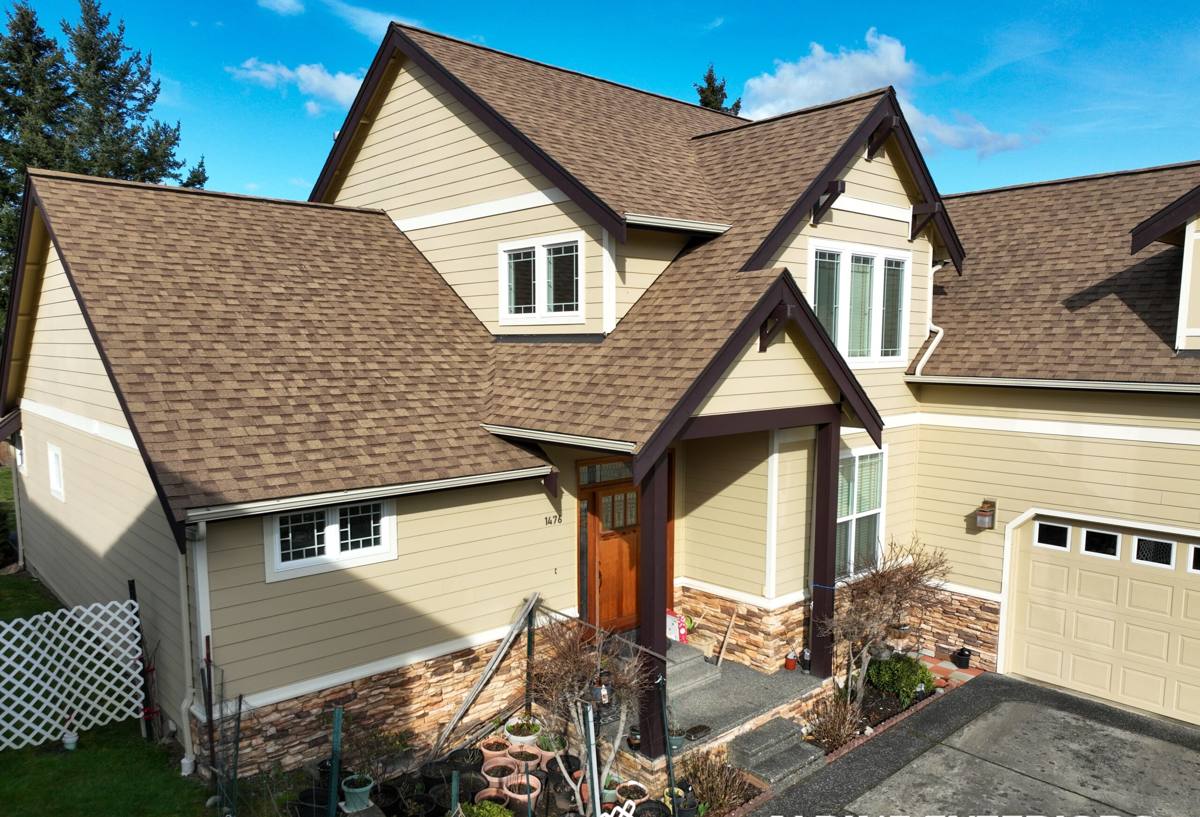
Signs an Old Northeast Home Needs a Roof Replacement
Not every issue on an older roof means full replacement, but these signs usually point that way rather than toward a simple repair:
- Shingles cupping, curling, or losing granules across large sections rather than one isolated spot
- Moss or algae that returns quickly after cleaning, especially on shaded, north-facing slopes
- Rust staining at nail heads, flashing, or metal vent stacks
- Soft, spongy decking underfoot or sagging visible from the ground or attic
- Daylight visible through the roof deck from inside the attic
- Leaks appearing in more than one spot during wind-driven rain
- Evidence of prior patch-over-patch repairs rather than a single, correctly detailed fix
- A roof at or past the manufacturer's rated service life for its material and exposure
Choosing a Roofing System for a Historic Old Northeast Home
Material choice on a home like this has to balance climate performance with the look of the neighborhood. The table below is a general comparison — actual fit depends on your roof's pitch, structure, and the character of your specific home.
| Material | How It Handles This Climate | Fit With Historic Character | Typical Service Life |
|---|---|---|---|
| Architectural asphalt shingle | Good with corrosion-resistant fasteners and proper flashing; UV-stabilized versions hold color better | Wide range of profiles and colors available to complement older homes | 20–30 years in this climate with correct install |
| Standing seam metal | Excellent wind and wind-driven rain performance when specified with a coastal-rated finish | Works well on some historic styles, less traditional on others; worth reviewing against your home's look | 40–50+ years |
| Concrete or clay tile | Very good wind and UV resistance; heavier, so structure must be confirmed to support the load | Common on Mediterranean Revival homes in this era and neighborhood | 50+ years with periodic underlayment renewal |
| Flat/low-slope membrane (porches, additions) | Good when detailed for ponding and UV exposure; needs periodic inspection | Typically used on rear additions or porch roofs rather than the main roof | 15–20 years depending on membrane type |
We'll go over which option makes sense for your home's structure, pitch, and budget at the estimate, including whether your existing framing can support a heavier material like tile without modification.
What a Correct Installation Actually Involves
On a home this age, most premature roof failures trace back to what's under the visible surface, not the surface itself.
Tear-Off and Deck Inspection
A full tear-off is the only way to see the actual condition of the decking underneath — including any old-growth plank decking, prior patch work, or hidden rot from a past leak. Any compromised decking gets replaced before new roofing goes down; covering a weak deck with new material just guarantees a shorter life for the whole roof.
Underlayment
Given the wind-driven rain this area sees, we treat underlayment as a real line of defense, not a formality. A synthetic underlayment with strong water resistance, plus self-adhered membrane at eaves, valleys, and roof-to-wall transitions, gives the roof backup protection if wind ever drives rain past the primary surface.
Flashing Around Complex Rooflines
Historic homes in this neighborhood often have more roof-to-wall transitions, dormers, and chimney penetrations than a simple modern roofline, and that's where the majority of leaks on an older roof actually start. We use corrosion-resistant flashing suited to salt air exposure and integrate it properly with the underlayment rather than relying on sealant alone.
Fasteners and Hardware
Standard fasteners corrode faster near the bay than most homeowners expect. We spec corrosion-resistant fasteners and hardware rated for this environment, since a fastener failure years down the road is hard to trace back and easy to prevent up front.
Ventilation
Proper intake and exhaust ventilation keeps the roof deck drier, which matters more under a shaded tree canopy where a roof gets less direct sun to help it dry out. It also protects against condensation damage on the underside of the deck, which can develop quietly in Florida's high humidity.
Matching the Neighborhood's Character
Some properties in Old Northeast fall within a recognized historic district, and depending on your home's visibility from the street, that can affect which materials, profiles, or colors make sense. We're glad to talk through what applies to your specific property so the new roof performs correctly and still fits the block.
Our Installation Process
- On-site assessment. We inspect the existing roof, decking condition, ventilation, and any problem areas, and take measurements for an accurate estimate.
- Material selection. We go over the options that fit your home's structure, pitch, and historic character, with honest trade-offs for each.
- Scheduling and site logistics. Narrow lots, mature trees, and on-street parking on brick streets all factor into how we plan staging, dumpster placement, and crew access before work starts.
- Tear-off and deck repair. Old roofing comes off, the deck is inspected, and any damaged or aged decking is replaced.
- Underlayment and flashing installation. The moisture barrier and flashing go in first, since this layer determines whether the roof stays dry through wind-driven rain.
- Roofing material installation. The chosen material is installed to manufacturer specification, with attention to fastening pattern and wind exposure.
- Ventilation check. Intake and exhaust ventilation are confirmed to be working correctly before close-out.
- Final walk-through. We review the completed roof with you and go over care and warranty details.
Cost Factors for an Old Northeast Roof Replacement
Every roof prices out differently, and we don't quote numbers without seeing the roof in person — but these are the variables that typically move a bid up or down on a home like this.
| Factor | Why It Matters Here |
|---|---|
| Roof complexity | Dormers, multiple pitches, and older architectural details mean more flashing work and labor |
| Deck condition | Original decking or prior patch work found during tear-off can add repair cost not visible beforehand |
| Material choice | Tile and metal cost more up front but often need less maintenance and last longer in this climate |
| Structural load check | Heavier materials like tile may require confirming the existing framing can support the added weight |
| Underlayment upgrade | Full self-adhered membrane coverage costs more than minimum-code underlayment but reduces wind-driven rain risk |
| Site access | Narrow lots, mature trees, and limited street parking can affect staging time and equipment placement |
Why Hire a Crew That Already Works Old Northeast
A roofer who mostly works newer construction isn't wrong about roofing in general — they're just working from a different set of defaults. Fastener specs, deck assumptions, and flashing approaches that are fine on a home built in the last two decades are often the wrong call on a roof framed nearly a century ago. A crew that already works in Old Northeast has seen how these homes are actually built underneath the surface, not just how a textbook roof goes together.
There's a practical side too. Staging a dumpster and material delivery on a narrow, tree-lined, brick street takes planning that a crew unfamiliar with the neighborhood won't have already worked out. Local experience means fewer surprises mid-job — on scheduling, on what the decking looks like once the old roofing comes off, and on how to keep the finished roof looking right for the house and the street it sits on.
Maintaining a New Roof in This Climate
A correctly installed roof still benefits from regular upkeep given the conditions here:
- Keep gutters and valleys clear of leaf litter and debris from the tree canopy
- Have moss or algae growth addressed early, especially on shaded, north-facing slopes
- Trim back tree limbs that keep a section of roof shaded and slow to dry
- Schedule a periodic inspection of flashing points, especially after hurricane season
- Address any small leak signs right away rather than waiting for the next storm to make it worse
If your roof is showing its age or you're planning ahead for a replacement, we're glad to take a look and talk through honest options for your Old Northeast home. Reach out for a free, no-pressure estimate using the form below.