 St. Petersburg Roofing
 Why Roof Replacement Looks Different in Seminole
Seminole sits in the middle of Pinellas County, close enough to the Gulf and Tampa Bay to catch the same salt air, wind-driven rain, and hurricane exposure that shapes roofing decisions all across the St. Petersburg area. A roof that would last two or three decades in a drier, calmer climate can wear out faster here if it wasn't built for these conditions in the first place. That's the core issue with a lot of roof replacements we get called out to inspect: the roof isn't old on paper, but the materials or the install weren't matched to what this part of Florida actually throws at a house year after year.
A correct roof replacement in Seminole isn't just "put new shingles on." It's choosing materials rated for local wind exposure, building in the water-shedding redundancy that wind-driven rain demands, and installing everything to hold up under intense year-round UV without shortcuts that only show up as leaks two or three years later.
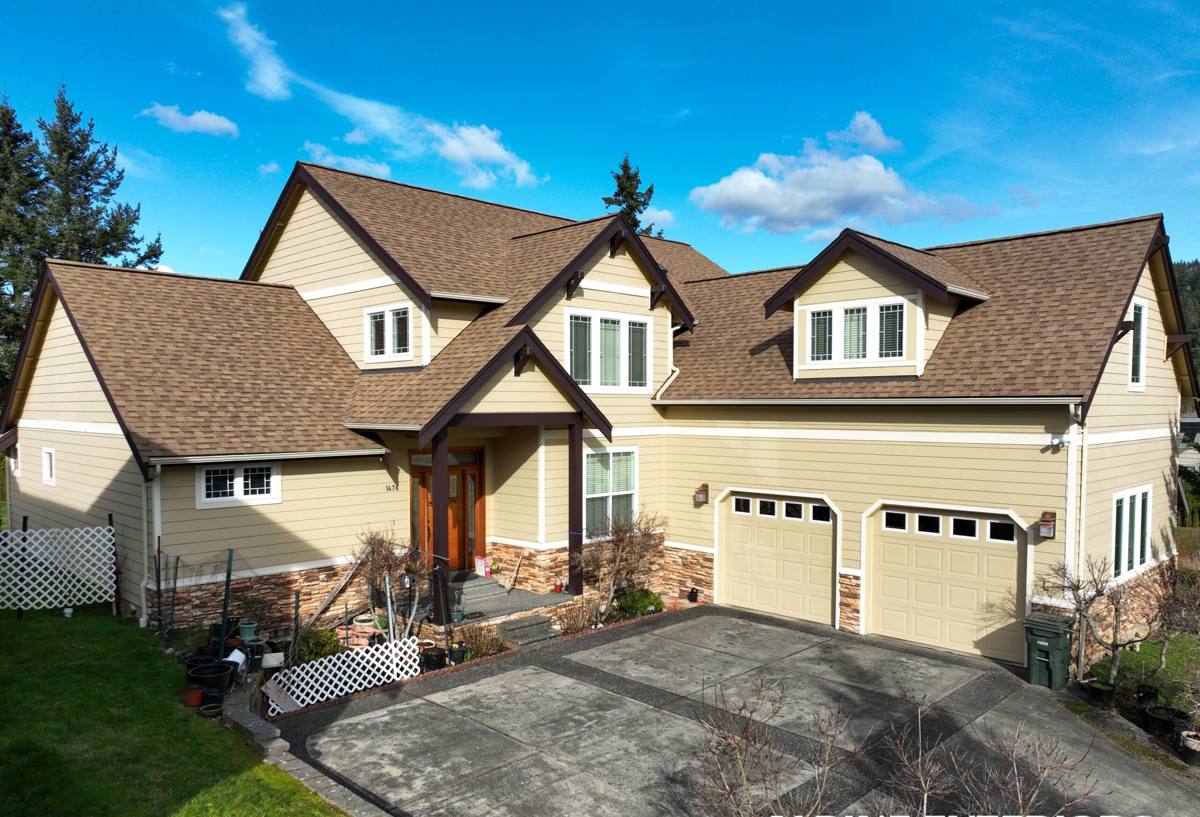
What Coastal Pinellas Weather Does to an Aging Roof
Every roofing material in Pinellas County is fighting the same four things at once, and they compound each other:
- UV exposure: Florida's sun bakes asphalt shingles and dries out sealants faster than in most of the country, which is why granule loss and brittle flashing show up here well before a shingle's rated lifespan is up.
- Hurricane-force wind: Even homes that never take a direct hit get repeated wind-uplift stress over a hurricane season, which loosens fasteners and lifts shingle edges gradually rather than all at once.
- Wind-driven rain: Storms here rarely fall straight down. Rain gets pushed sideways and up under laps, ridge caps, and flashing, which is why underlayment quality and fastening pattern matter more here than in calmer climates.
- Salt air: Even inland from the immediate coastline, airborne salt accelerates corrosion on exposed metal — fasteners, flashing, vents, and drip edge — which is a common source of small leaks that get blamed on the shingles when the real failure point is a corroded fastener or flashing seam.
None of these alone destroys a roof overnight. Together, over years of Pinellas County summers and storm seasons, they're what turns a roof that looked fine from the driveway into one that's leaking at the first hard-driven rain.
Signs a Seminole Roof Has Reached Replacement, Not Repair
Granule loss visible in gutters, shingles that are cupping or curling at the edges, soft spots in the decking when walked, recurring leaks in more than one location, and flashing that's visibly rusted or pulling away are all signs the roof system as a whole is past the point where patch repairs make sense. If your roof is old enough that repair costs are stacking up year after year, replacement is usually the more honest recommendation, and we'll tell you that plainly rather than stringing along repairs on a roof that's done.
What a Correct Roof Replacement Actually Involves
A roof replacement is a system, not a single product. Cutting a corner on any one layer undermines the rest, no matter how good the shingles or tile on top look.
Full Tear-Off and Deck Inspection
We remove the old roofing down to the decking rather than layering over it. This is the only way to actually see the plywood or OSB underneath, which is where hidden rot, delaminated sheathing, or old fastener holes usually turn up. Any damaged decking gets replaced before anything new goes down — skipping this step is one of the most common ways a "new roof" ends up failing early.
Underlayment and Water Barrier
Given how much wind-driven rain this area sees, we don't treat underlayment as a formality. A quality synthetic underlayment, with self-adhered peel-and-stick membrane at vulnerable points like valleys, eaves, and around penetrations, is what actually keeps water out when wind pushes rain sideways under the shingle laps during a storm.
Flashing, Fasteners, and Ventilation
Given the salt-air corrosion issue, flashing and fasteners matter as much as the shingles themselves. We use corrosion-resistant metal at chimneys, walls, skylights, and any roof-to-wall transitions, and follow enhanced nailing patterns appropriate for our wind exposure rather than the minimum fastener count. Proper attic ventilation is part of the same package — it controls heat buildup and moisture, both of which shorten a roof's life in Florida's climate if ignored.
Code and Permit Compliance
Every roof replacement in Pinellas County requires a permit and has to meet current Florida Building Code wind-resistance requirements, not the code that was in place when the old roof was installed years or decades ago. That means correct fastening schedules, product approval documentation for the materials used, and a final inspection before the job is considered done.
Choosing the Right Roofing Material for Seminole Homes
There's no single "best" material — the right choice depends on your roof's structure, your budget, how long you plan to stay in the home, and how much ongoing maintenance you're willing to keep up with. Here's how the common options compare for a coastal Pinellas County home:
| Material | Typical Lifespan | Wind Performance | Maintenance | Notes for This Climate |
|---|---|---|---|---|
| Architectural asphalt shingle | 20–30 years | Good, when installed with enhanced fastening and rated for local wind exposure | Low to moderate | Most common and most cost-effective option; quality of install matters more than the shingle brand |
| Standing-seam metal | 40–50+ years | Excellent | Low | Higher upfront cost, strong resistance to wind uplift and long-term UV degradation |
| Concrete or clay tile | 40–50+ years | Good, if fasteners and underlayment are correctly specified | Moderate | Heavier — needs a structure rated to support it; underlayment failure is the usual weak point, not the tile itself |
We don't push one material as universally superior. Each of these can perform well in Seminole's climate if it's matched to the home and installed correctly — the underlayment, flashing, and fastening details matter as much as which material sits on top.
Our Roof Replacement Process
The process is the same whether it's a straightforward reroof or one following storm damage:
- On-site assessment: We inspect the current roof, attic, and decking condition, and talk through what's driving the need for replacement.
- Written estimate and material selection: A clear scope of work and price, with honest trade-offs between material options for your situation.
- Permitting: We pull the required Pinellas County/City of St. Petersburg-area permit before work begins — this isn't optional and protects you as the homeowner.
- Tear-off and deck repair: Old roofing comes off, decking is inspected and any damaged sections replaced.
- Underlayment, flashing, and installation: The water barrier, flashing, and final roofing material go on following manufacturer specs and local code fastening requirements.
- Cleanup: Job-site cleanup including magnetic sweep for nails, which matters if you've got kids, pets, or a driveway you park a car on.
- Final inspection and documentation: Passing the required inspection and handing you the paperwork you'll need for warranty claims or insurance records.
Insurance, Wind Mitigation, and Permits in Pinellas County
Pinellas County is not in Florida's High-Velocity Hurricane Zone (that designation applies to Miami-Dade and Broward counties), but the Florida Building Code still requires roofing products and installation methods here to be rated for our local wind exposure. A permit and final inspection are required for a roof replacement, not just recommended.
A new roof is also a good time to have a wind mitigation inspection done. Features like a properly fastened roof deck, hip-roof geometry, and code-compliant fastening can qualify a home for wind mitigation credits on a homeowner's insurance policy — the specifics of what your policy qualifies for are between you and your insurer, but we can provide the documentation of what was installed and how, which is what that inspection will ask for.
Why a Local Seminole Crew Matters
Roofing companies that work the St. Petersburg and greater Pinellas County area regularly have an advantage that isn't about salesmanship — it's familiarity. That means knowing the local permitting office's process, understanding how homes in this area were typically built (deck thickness, common roof pitches, older fastening standards that no longer meet current code), and having supplier relationships that don't leave you waiting weeks for materials after a storm has damaged half the county's roofs at once.
It also matters for accountability. A crew that plans to keep working in Seminole and the surrounding neighborhoods has every reason to do the job right the first time and stand behind it — a warranty is only as good as the company that's still around to honor it.
After the Install: Keeping Your New Roof Performing
A correctly installed roof still benefits from basic upkeep, especially given how hard this climate is on roofing materials. A simple annual routine goes a long way:
- Have gutters and downspouts cleared regularly so wind-driven rain has somewhere to go instead of backing up under the eaves
- Trim back tree limbs that overhang the roof, both for wind-debris risk and to reduce debris buildup in valleys
- Do a visual check after any significant storm for lifted shingles, displaced tiles, or damaged flashing
- Keep an eye on attic ventilation — blocked soffit or ridge vents undercut the roof's ability to manage heat and moisture
- Schedule a professional inspection every year or two, even with no visible problems, so small issues get caught before they become leaks
If you're weighing whether your current roof needs replacing or could hold on with repairs, or you're ready to move forward, we're glad to come take a look. The estimate is free, there's no pressure, and you'll get a straight answer about what your roof actually needs — just fill out the form below to get started.