 St. Petersburg Roofing
 Roofing Roser Park's Historic Housing Stock
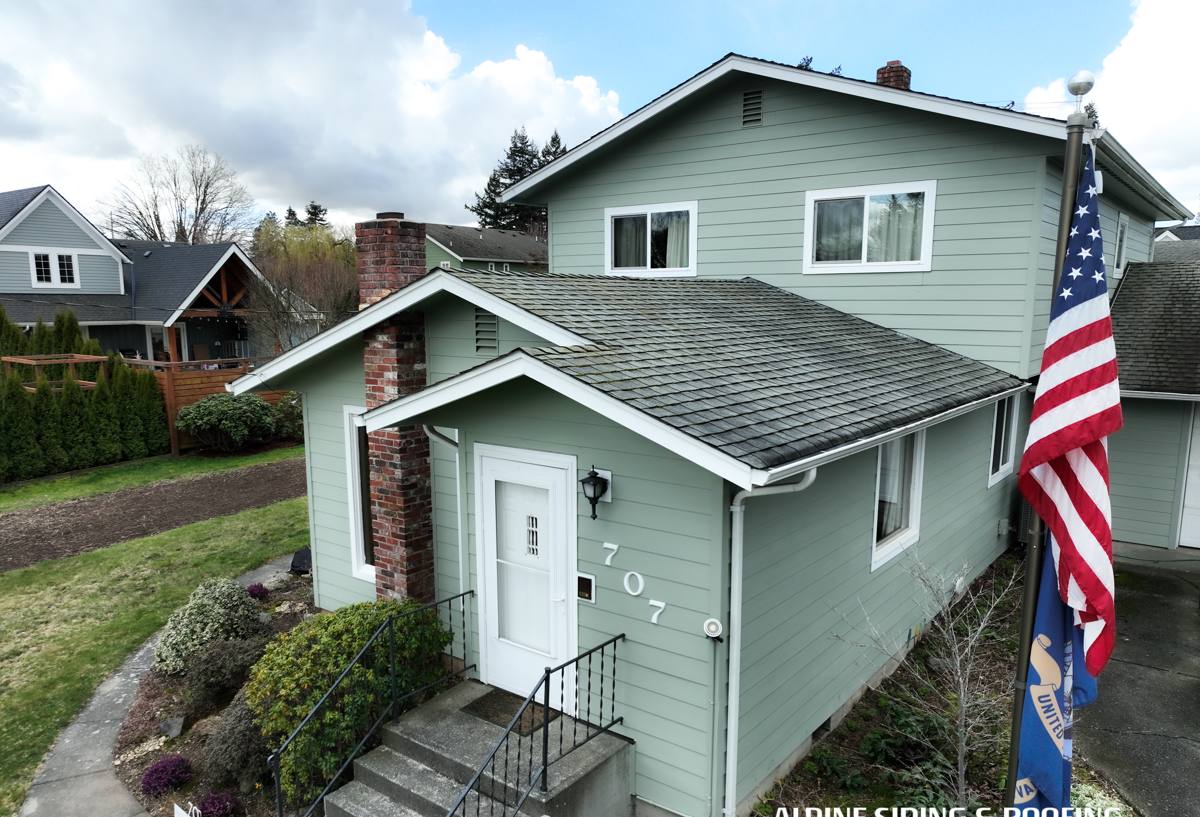
Roser Park is one of St. Petersburg's older neighborhoods, and that shows in the roofs. Many homes here were built decades before modern shingle formulations, synthetic underlayments, or current Florida Building Code wind provisions existed. Some have been re-roofed once or twice since; others are still carrying original framing under a roof covering that's been patched more than replaced. A roof replacement in this neighborhood isn't a cookie-cutter job — it has to account for older rafter and decking configurations, varied roof pitches and shapes that came with early 20th-century architectural styles, and, in some cases, a homeowner's interest in keeping the roofline visually consistent with the character of the house and street.
That doesn't mean the job is exotic. It means it requires a crew that actually looks at what's under the existing roof covering before quoting a price, instead of treating every tear-off the same way.
What Pinellas County's Climate Does to a Roof
St. Petersburg sits on a peninsula in Pinellas County, and the roof over your head takes a beating from several directions at once, not just one obvious threat.
Hurricane-Force Wind
Roofs here need to hold up against sustained tropical-storm and hurricane winds, plus the uplift forces that come with gusts. Wind doesn't just push on a roof — it pulls at edges, ridges, and any place where a shingle, tile, or panel isn't properly fastened or sealed. Older roofs, or roofs installed without attention to fastening patterns and edge metal, are the ones that fail first.
Intense, Year-Round UV
Florida sun is relentless in every season, not just summer. UV exposure breaks down asphalt shingle granules, dries out sealants, and shortens the effective life of roofing materials faster than in most other parts of the country. A roof rated for 25–30 years elsewhere often performs closer to the low end of that range here.
Wind-Driven Rain
It's rarely just rain — it's rain pushed sideways under eaves, into vents, and up under shingle tabs and tile laps. A roof that sheds water fine in a calm downpour can still leak in a wind-driven storm if the underlayment, flashing, and fastening weren't done with that scenario in mind.
Salt Air
Being close to Tampa Bay and the Gulf means airborne salt accelerates corrosion on exposed metal — nails, flashing, vent stacks, and fasteners. Materials and hardware that aren't rated for coastal exposure corrode faster, which shows up as rust streaks, loosened fasteners, and premature flashing failure.
Put together, these four factors mean a roof replacement in Roser Park has to be built for coastal Florida conditions specifically, not just installed to a generic national standard.
Signs Your Roser Park Home Needs a Replacement, Not a Repair
Not every roof problem calls for a full replacement, but there are signs that patching is no longer the honest answer:
- Multiple past repairs in different areas of the roof, rather than one isolated issue
- Granule loss heavy enough that you can see bare or shiny spots on shingles
- Shingles that are curling, cracking, or lifting at the edges
- Soft spots, sagging, or visible deflection in the roof deck
- Water staining on interior ceilings or in the attic that recurs after repairs
- A roof approaching or past the manufacturer's expected service life for this climate
- Visible daylight through the roof deck when viewed from the attic
If your roof is showing two or more of these, a replacement is usually more cost-effective long term than continuing to chase individual repairs.
What a Correct Roof Replacement Involves
A roof replacement is more than stripping old material off and nailing new material down. Done correctly, it includes several layers working together:
Deck Inspection and Repair
Once the old roofing is off, the decking underneath gets inspected for rot, delamination, or damage — common in older Roser Park homes where the deck may be original. Any compromised sections should be replaced before anything new goes on top, not covered over.
Underlayment
A quality synthetic or self-adhering underlayment is the roof's real waterproofing layer, especially in wind-driven rain. This matters more in this climate than in drier regions, since it's the backup line of defense when wind pushes water past the primary roof covering.
Flashing and Edge Detail
Flashing around chimneys, valleys, walls, and roof-to-wall transitions is where most leaks actually originate — not in the open field of the roof. Corrosion-resistant metal, correctly lapped and sealed, matters even more given the salt air near the bay.
Fastening Pattern and Wind Rating
How a shingle, tile, or panel is fastened has as much to do with wind performance as the material itself. Current Florida Building Code fastening requirements exist specifically because of storm history in this region, and a correct installation follows them, not the minimum from an older code cycle.
Ventilation
Proper attic ventilation extends shingle life by reducing heat buildup and moisture — both accelerated by Florida's UV and humidity. A replacement is the right time to correct inadequate ventilation, since the roof deck is already exposed.
Comparing Roofing Materials for a Home Like Yours
| Material | Typical Lifespan Here | Wind Performance | Considerations for Older Homes |
|---|---|---|---|
| Architectural (laminate) asphalt shingle | 18–25 years | Good, when rated and fastened correctly | Cost-effective, wide color range, works with most rooflines |
| 3-tab asphalt shingle | 12–18 years | Lower wind rating than laminate | Lowest upfront cost, shortest realistic service life in coastal UV |
| Standing seam metal | 30–50 years | Excellent when properly installed | Higher upfront cost; needs corrosion-resistant fasteners near the bay |
| Concrete or clay tile | 30–50 years | Excellent when properly fastened | Heavier — deck and framing must be verified to carry the load |
We'll walk through which option fits your roof's structure, your budget, and how long you plan to stay in the home — there's no single right answer for every roof in this neighborhood.
Permitting, Wind Mitigation, and Insurance in Pinellas County
A roof replacement in St. Petersburg requires a permit and inspection through Pinellas County or the city, depending on jurisdiction — this isn't optional paperwork, it's what confirms the work meets current wind and building code. A properly permitted, code-compliant new roof is also what qualifies a home for a wind mitigation inspection, which can lower homeowners insurance premiums. Given how much wind exposure factors into insurance underwriting for coastal Pinellas County homes, this is worth understanding before you pick a contractor — a roof installed without permits or proper documentation can complicate both your insurance and a future home sale.
How Our Roof Replacement Process Works
We keep the process straightforward and communicate at each stage rather than disappearing between the estimate and the finished roof:
- On-site inspection — we get on the roof and, where accessible, check the attic to assess deck condition, not just the surface material
- Written estimate — a clear scope of work and material options, explained plainly, no pressure to decide on the spot
- Permitting — we pull the required permit before work begins
- Tear-off and deck inspection — old material removed, deck checked and repaired as needed
- Underlayment and flashing — the waterproofing layers most responsible for keeping wind-driven rain out
- New roof installation — installed to current wind-rating and fastening specifications
- Final inspection and cleanup — magnetic sweep for debris, walkthrough with you before we consider the job done
What to Have Ready Before Replacement Day
- Move vehicles out of the driveway and away from the work area
- Take down or secure fragile items on walls near the attic (vibration from tear-off can loosen picture frames)
- Let us know about any interior attic access we should be aware of
- Plan for pets to be inside or elsewhere during the loudest phases of work
- Note any specific landscaping or garden beds near the home you want protected
Why Local Experience in Roser Park Matters
A crew that's already worked in Roser Park understands things a roofer from outside the area has to learn on your dime: the narrower lots and setbacks common in this historic district, how staging and material delivery work on streets that weren't designed for modern construction traffic, and how to protect mature trees and older landscaping during tear-off and disposal. That local familiarity translates into fewer surprises, a tighter timeline, and less disruption to your property and your neighbors — not a marketing line, just the practical benefit of a crew that isn't figuring out the neighborhood for the first time on your roof.
Cost Factors to Expect
| Factor | Why It Affects Price |
|---|---|
| Roof size and pitch | Steeper or more complex rooflines take longer and require more safety setup |
| Deck condition | Rotted or delaminated decking found during tear-off adds material and labor |
| Material choice | Shingle, metal, and tile carry different material and installation costs |
| Number of penetrations | Chimneys, skylights, and vents each need individual flashing work |
| Layers of existing roofing | Multiple old layers mean more tear-off and disposal |
We give a firm written price after inspecting the roof, not a phone-quote estimate — there are too many roof-specific variables in a home this age to price it any other way honestly.
Protecting Your Investment After Replacement
A new roof still benefits from basic upkeep in this climate: clearing debris from valleys and gutters after storms, keeping overhanging branches trimmed back, and having it looked at after any major wind event. None of this is intensive, but skipping it is how a well-installed roof loses years off its life prematurely in coastal Pinellas County conditions.
If you're weighing repair versus replacement, or just want an honest read on where your roof stands, we're happy to take a look. Request a free, no-pressure estimate using the form below.