 St. Petersburg Roofing
 Why Seminole Roofs Take a Different Kind of Beating
Seminole sits in Pinellas County, on a stretch of the Gulf Coast where the roof over your head has to work harder than roofs almost anywhere else in the country. It isn't one thing that wears a roof out here — it's the combination. Hurricane-force winds during storm season put uplift pressure on every shingle, ridge, and edge. Between storms, intense year-round Florida sun bakes roofing materials day after day, drying out asphalt oils and breaking down UV-resistant coatings faster than in cooler climates. Add wind-driven rain that doesn't just fall straight down but gets pushed sideways and up under laps and around flashing, and salt air drifting in off the Gulf that slowly corrodes exposed metal — fasteners, vents, flashing, drip edge — and you've got a climate that punishes shortcuts.
A new roof installed correctly for Seminole isn't the same job as a new roof installed in a dry, inland climate. The materials, fastening pattern, underlayment, and flashing details all need to account for what this specific coastal environment throws at a house year after year.
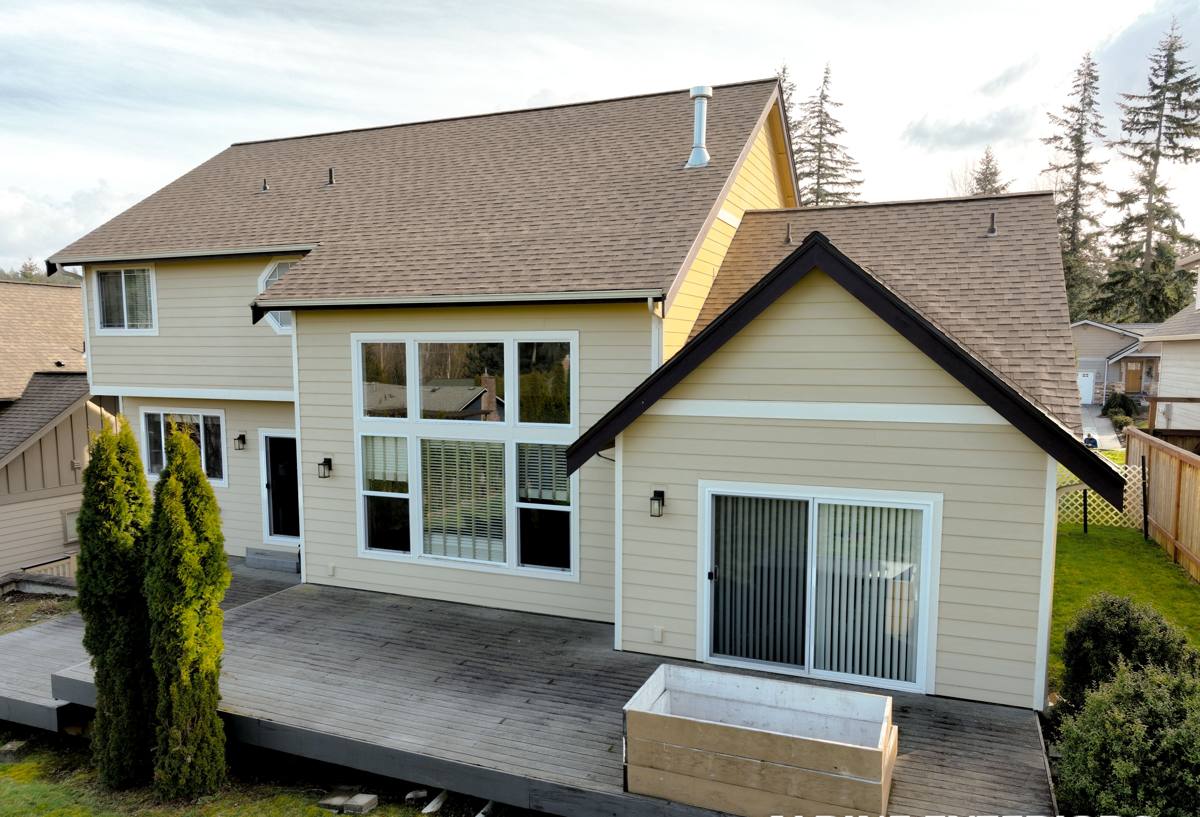
Signs a Seminole Home Needs a New Roof, Not Another Repair
Age and Material Lifespan
Most roofing materials have a realistic service life that gets shortened by Gulf Coast conditions. A roof nearing the end of its expected lifespan, especially one that's already had multiple patch repairs, is usually a better candidate for replacement than another round of spot fixes — repeated repairs on an aging roof often cost more over time than doing the job right once.
Wear Damage vs. Storm Damage
It's worth telling these apart. Wear damage builds slowly — granule loss, curling edges, brittle shingles that crack when walked on. Storm damage shows up suddenly after a specific wind or rain event — lifted or missing shingles, exposed underlayment, or a new leak that wasn't there before. Both can justify replacement, but they're documented differently, especially if insurance is involved.
- Shingles that are cracked, curling, or losing granules in patches
- Daylight visible through the roof deck from inside the attic
- Soft spots or sagging when walked on
- Leaks that reappear in the same area after repair
- Visible rust streaking or corrosion around metal flashing and vents
- A roof older than its expected service life, even with no obvious current leaks
- Rising energy bills tied to poor attic ventilation or failing insulation under the roof deck
What a Correct New Roof Installation Actually Involves
Tear-Off and Deck Inspection
A proper installation starts with removing the old roofing system down to the deck — not layering new material over old. This is the only way to actually see the plywood or OSB underneath. In a humid, storm-prone climate, hidden deck rot from old leaks is common, and any soft or damaged decking needs to be replaced before anything new goes down. Skipping this step is one of the most common shortcuts that leads to early failures.
Underlayment and Secondary Water Barrier
Underlayment is the roof's backup defense if wind-driven rain gets past the surface layer, which happens more often in coastal wind events than most homeowners realize. Self-adhering underlayment at eaves, valleys, and other vulnerable areas gives the roof a real second line of defense instead of relying on the shingles or panels alone.
Fastening for Wind Uplift
How a roof is fastened matters as much as what it's fastened with. Nailing patterns, fastener spacing, and adhesive sealant strips all affect how well a roof resists uplift in high wind. Florida's building code sets minimum requirements for wind resistance based on location, and a correctly installed roof should meet or exceed those requirements rather than treating them as a ceiling.
Flashing, Penetrations, and Edge Metal
Roofs rarely fail in the middle of a flat plane — they fail at transitions: chimneys, vent pipes, skylights, wall intersections, and roof edges. Every penetration needs properly formed and sealed flashing, and drip edge along the perimeter needs to be installed to shed water away from the fascia, not behind it. In salt air environments, the quality and coating of the metal used here directly affects how long it holds up before corroding.
Attic Ventilation
A new roof is also the right time to correct poor attic ventilation. Balanced intake and exhaust ventilation keeps attic temperatures and moisture in check, which extends the life of the new roofing material and helps with energy efficiency in a climate where attics can otherwise reach extreme temperatures for much of the year.
Choosing a Roofing Material for Seminole's Climate
There's no single "best" roofing material for every home — the right choice depends on budget, roof style, and how much long-term maintenance a homeowner wants to take on. Here's an honest comparison of the main options for a Gulf Coast home:
| Material | Wind Performance | UV / Heat Durability | Salt Air Resistance | Maintenance |
|---|---|---|---|---|
| Architectural Asphalt Shingle | Good, with proper fastening and rated products | Moderate — quality varies by product line | Good with coated fasteners and flashing | Low to moderate |
| Standing Seam Metal | Excellent when properly fastened | Excellent — reflects heat, doesn't dry out | Good with marine-grade coatings and fasteners; lower-grade metal corrodes faster | Low |
| Concrete or Clay Tile | Excellent for the tile itself; failure point is often the underlayment beneath it | Excellent | Very good — tile itself doesn't corrode | Moderate — underlayment beneath tile needs periodic attention |
We install and stand behind more than one system because the right answer genuinely depends on the house. What we won't do is install a product a certain way just because it's cheaper up front if that approach compromises how it performs against wind uplift or coastal moisture over time — that's a trade-off we'd rather explain honestly than build into a warranty claim later.
Permits, Wind Mitigation, and Insurance in Pinellas County
New roof installations in Pinellas County require a permit, and for good reason — permitted work gets inspected against Florida's wind and building code requirements, which exist specifically because of the storm exposure along this part of the coast. A permitted, code-compliant installation also matters after the fact: it's typically what insurance companies want to see documented if a wind or storm claim ever comes up.
A new roof is also a good opportunity to get a wind mitigation inspection done. Features like a properly strapped roof-to-wall connection, rated fasteners, and a secondary water barrier can qualify a home for insurance premium discounts. Homeowners in Seminole and across Pinellas County often don't realize how much a new, correctly documented roof can affect their windstorm insurance costs.
How Our Installation Process Works
- On-site inspection of the current roof, attic, and decking, with a straightforward explanation of what we find
- Material and system recommendation based on your home, budget, and how long you plan to stay in it
- Written estimate with the scope of work spelled out — no vague line items
- Permit pulled with the county before any work begins
- Full tear-off and deck inspection, with any rotted or damaged decking replaced
- Underlayment, flashing, and the new roofing system installed to code and manufacturer specifications
- Final inspection to close out the permit
- Job-site cleanup, including a magnetic sweep for stray fasteners
- Warranty paperwork and maintenance guidance handed over at completion
Why It Matters to Hire a Crew That Already Works in Seminole
Roofing crews unfamiliar with a specific coastal area tend to treat every job the same way they would inland. A crew that regularly works in Seminole and the surrounding Pinellas County communities already knows the common roof styles and pitches in the area, understands the local permitting process, and has seen firsthand how salt air and storm exposure affect roofs here over time — not in theory, but from repeat visits to the same neighborhoods.
That familiarity also matters after a storm. A local crew with an established presence in the area is easier to hold accountable and easier to reach again down the road if a warranty question or maintenance need comes up, rather than dealing with a company that only shows up for one job and moves on.
What Affects the Cost of a New Roof in Seminole
Costs vary enough from home to home that we won't put a fake number on it here — but the main factors that drive the price up or down are consistent:
- Total roof size and how steep the pitch is
- Material chosen — asphalt shingle is typically the most affordable upfront, metal and tile cost more but bring different long-term trade-offs
- Roof complexity — valleys, dormers, skylights, and multiple penetrations all add labor and material
- Condition of the decking underneath — rot or water damage found during tear-off adds cost to fix properly
- Number of existing layers to remove
- Permit and disposal fees required by the county
The only way to get an accurate number is a real inspection of your specific roof — anything else is a guess.
Protecting Your Investment After Installation
A correctly installed roof still benefits from basic upkeep in this climate. Keeping gutters and valleys clear prevents standing water during heavy rain. Rinsing off accumulated salt residue periodically helps slow corrosion on metal components. Having the roof looked at after any major storm — even if there's no obvious leak — catches lifted shingles or damaged flashing before they turn into a bigger problem. A quick professional check every year or two goes a long way toward getting the full expected lifespan out of a new roof in a coastal environment like this one.
If your Seminole home is due for a new roof, or you're just not sure whether repair or replacement makes more sense, we're happy to take a look and give you a straight answer. Fill out the form below for a free, no-pressure estimate.