 St. Petersburg Roofing
 Roof Repair in Seminole: Built for What Pinellas County Weather Actually Does
Seminole sits close enough to the water that every roof in the area is dealing with the same combination of stresses: long stretches of intense UV that bake shingles and dry out sealants, sudden wind-driven rain that finds any weak point in flashing or fasteners, and salt-laden air that speeds up corrosion on metal components. Add Florida's hurricane season into the mix and you have a climate that is genuinely harder on roofing than most of the country. A roof repair here isn't just patching a hole — it's addressing damage caused by a specific combination of forces, and a repair that ignores that context tends to fail again within a year or two.
We're based in St. Petersburg and work Seminole regularly, which means we're not learning the local conditions on your dime. We know which parts of a roof tend to fail first in this climate, what a correctly sealed repair looks like here versus in a drier region, and how to make a repair that actually holds through the next storm season.
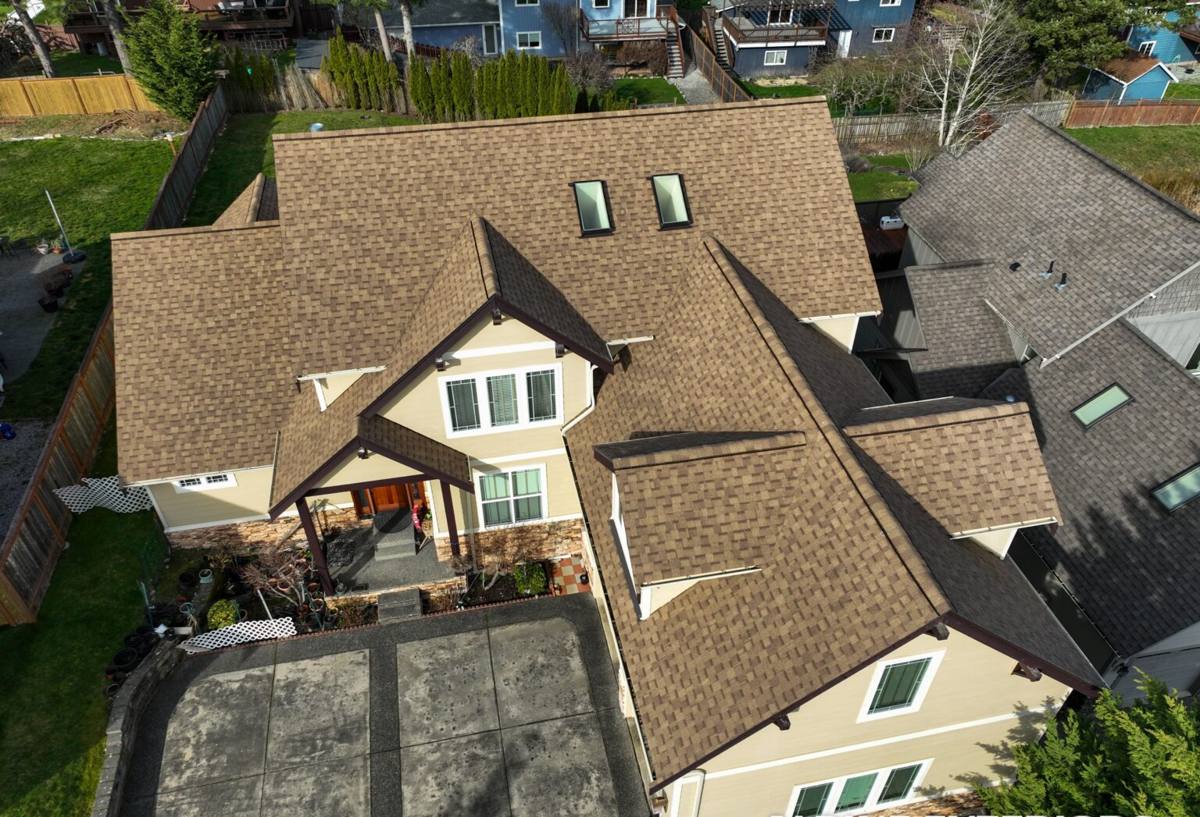
Common Roof Repair Needs We See on Seminole Homes
Most repair calls in this area fall into a handful of categories. Recognizing which one you're dealing with helps set expectations for the scope and cost of the fix.
- Wind-lifted or missing shingles — gusts get under a shingle edge, break the sealant bond, and either crack the shingle or tear it off outright, leaving the underlayment exposed.
- Flashing failures — around chimneys, skylights, walls, and roof-to-wall transitions, where metal flashing has rusted, pulled loose, or was never sealed correctly in the first place.
- Cracked or slipped tiles — common on tile roofs after impact from debris or foot traffic, or where mortar/foam adhesion has aged and let tiles shift out of alignment.
- Flat and low-slope roof leaks — on additions, porches, and garages, usually at seams, drains, or where the membrane has blistered from UV exposure.
- Soffit and fascia damage — wind-driven rain gets pushed up under the eaves, rotting wood trim and giving pests an entry point even when the main roof field looks fine.
- Sealant and pipe boot failure — rubber pipe boots and old sealant joints dry out and crack under constant sun exposure, often the source of a slow leak that's hard to trace.
What a Correct Roof Repair Actually Involves
Finding the Real Source of a Leak
Water rarely drips straight down from where it enters. It travels along the underlayment, decking, or framing before showing up as a stain on a ceiling — sometimes several feet from the actual entry point. A repair that just patches the spot above the stain, without tracing the path back to the real cause, is one of the most common reasons homeowners end up calling a second contractor within a year. Our process starts with a physical inspection of the roof itself, not just the interior damage, so the fix addresses the actual entry point.
Matching Materials on an Existing Roof
A repair has to work with the roof that's already there. That means matching shingle profile and, where possible, color on a section repair; using compatible tile profiles and proper mortar or foam-set methods on tile roofs; and confirming that any new flashing, underlayment, or sealant is compatible with the existing materials rather than creating a new point of failure through mismatched expansion rates or incompatible chemistries. Rushed repairs that mix incompatible products are a common cause of repeat leaks.
Code Compliance and Permits
Depending on the scope, some roof repairs in Pinellas County require a permit, particularly larger sections of shingle or tile replacement, structural sheathing repair, or work triggered by storm damage. We handle that determination and the paperwork rather than leaving it for the homeowner to sort out after the fact.
Our Seminole Roof Repair Process
- Inspection and diagnosis. We get on the roof (not just a look from the ground) to identify the actual source of the problem, plus anything nearby that's likely to fail next.
- Written scope and estimate. You get a clear explanation of what's damaged, what needs to be done, and an honest cost range before any work starts — no surprise add-ons mid-job.
- Repair. We remove and replace only the damaged materials needed to make a lasting fix, matching existing roofing where possible and using flashing and sealant appropriate for coastal-adjacent conditions.
- Cleanup and inspection walkthrough. Debris and old materials are removed from the property, and we walk the completed repair with you so you know exactly what was done.
- Documentation. You get documentation of the repair, which matters if you ever need it for insurance records or for a future roof inspection tied to a home sale.
Repair vs. Replacement: How We Help You Decide
Not every damaged roof needs to be replaced, and not every leak can be permanently solved with a patch. The honest answer depends on the roof's age, how widespread the damage is, and how many prior repairs it's already had.
| Factor | Repair usually makes sense | Replacement should be considered |
|---|---|---|
| Roof age | Roof is well within its expected service life | Roof is at or past the upper end of its material's typical lifespan |
| Extent of damage | Isolated to one section, flashing point, or penetration | Damage is spread across multiple areas or slopes |
| Repair history | First or second repair on this roof | Repeated repairs to the same or nearby areas |
| Decking condition | Underlying decking is sound | Decking is soft, rotted, or delaminating in multiple spots |
| Storm damage scope | Localized wind or debris damage | Widespread uplift, granule loss, or tile displacement after a major storm |
We'll tell you plainly which category your roof falls into. If a repair is the right call, we won't upsell a replacement — and if the roof is genuinely past the point where repair makes financial sense, we'll explain why rather than stack patch jobs on top of each other.
Roofing Materials on Seminole Homes and How Repairs Differ by Type
Seminole has a mix of roofing types, and the repair approach isn't the same across all of them.
| Roof type | Typical repair need | Repair consideration |
|---|---|---|
| Asphalt shingle | Wind-lifted, cracked, or missing shingles | Color and profile matching gets harder as the roof ages and fades in the sun |
| Concrete or clay tile | Cracked, slipped, or broken tiles | Walking a tile roof incorrectly can crack tiles that weren't originally damaged, so technique matters |
| Flat / modified bitumen or TPO | Seam separation, blistering, ponding-related wear | UV exposure over time makes membranes brittle; patch compatibility with the existing membrane type is critical |
| Metal | Fastener backout, seam or flashing leaks | Coastal salt air accelerates corrosion at exposed fasteners and cut edges |
Storm Damage and Insurance Considerations
After a named storm or a bad wind event, it's tempting to sign with whoever knocks on the door first. We'd rather you make an informed decision. A legitimate storm-damage repair should be backed by a documented inspection, clear photos of the actual damage, and a scope of work that matches what's really wrong — not a blanket recommendation to file a full-roof claim regardless of what the roof shows. If your damage is storm-related and you plan to file a claim, we can document what we find during the inspection so you have accurate information to bring to your insurer.
Why a Local St. Petersburg-Based Crew Matters for Seminole Repairs
Roof repair is one of those jobs where local familiarity actually changes the outcome. A crew that already works in and around Seminole knows the typical roof ages and construction styles in the area, has already dealt with local permitting requirements, and can respond quickly when a storm passes through and multiple homes need attention at once. Being close by also means a callback after the repair — if something needs a second look — doesn't mean waiting on a contractor who has to drive in from well outside the county.
Maintenance Checklist to Protect a Repaired Roof
A repair holds up longer when it's not fighting neglect on the rest of the roof. A few habits go a long way in this climate:
- Have the roof visually checked after any major storm, even if you don't see an obvious leak
- Keep gutters and downspouts clear so water doesn't back up under the roof edge
- Trim back overhanging branches that can drop debris or scrape shingles/tiles in wind
- Check attic spaces periodically for staining, which often shows up before a ceiling leak does
- Don't walk a tile roof yourself — foot traffic from someone unfamiliar with tile roofing is a common cause of new cracks
- Re-inspect sealant around pipe boots, skylights, and vents every couple of years, since sun exposure breaks these down faster here than in milder climates
If you're dealing with a leak, missing shingles, cracked tiles, or storm damage on a Seminole home, we're happy to take a look and give you a straight answer on what it actually needs. Reach out for a free, no-pressure estimate using the form below.