 St. Petersburg Roofing
 Why Snell Isle Siding Takes a Different Kind of Punishment
Snell Isle sits right up against the water, and that location is exactly what makes siding here wear out faster than it does a few miles inland. Homes on or near canals and open water take on salt-laden air almost every day, and that salt works its way into caulk joints, fastener heads, and any seam that isn't sealed correctly. Add in the wind gusts that come with a strong Gulf storm and the wind-driven rain that rides in sideways during summer squalls, and you've got a combination that finds every weakness in a siding job within a few years, not a few decades.
Waterfront Exposure and Salt Air
Salt air is corrosive to metal fasteners and trim, and it accelerates the breakdown of coatings that aren't built to handle it. On a waterfront lot, siding also deals with more sustained humidity, which means anything with a wood-based core has more opportunities to take on moisture at seams, cut edges, and butt joints. This is a bigger deal on Snell Isle than it is in a lot of other St. Petersburg neighborhoods simply because of how close so many homes sit to the water.
Year-Round UV and Storm Cycles
Florida sun doesn't take a season off, and constant UV exposure fades paint and breaks down lesser coatings well before a homeowner expects to be repainting. Layer in the annual rhythm of Pinellas County's storm season — high winds, torrential rain, and the pressure changes that come with tropical systems — and siding here is under year-round stress that a lot of manufacturers never designed for. A siding system that isn't built for this specific climate will show it early: chalking finishes, swelling edges, cracked caulk lines, and panels that have started to separate from the wall.
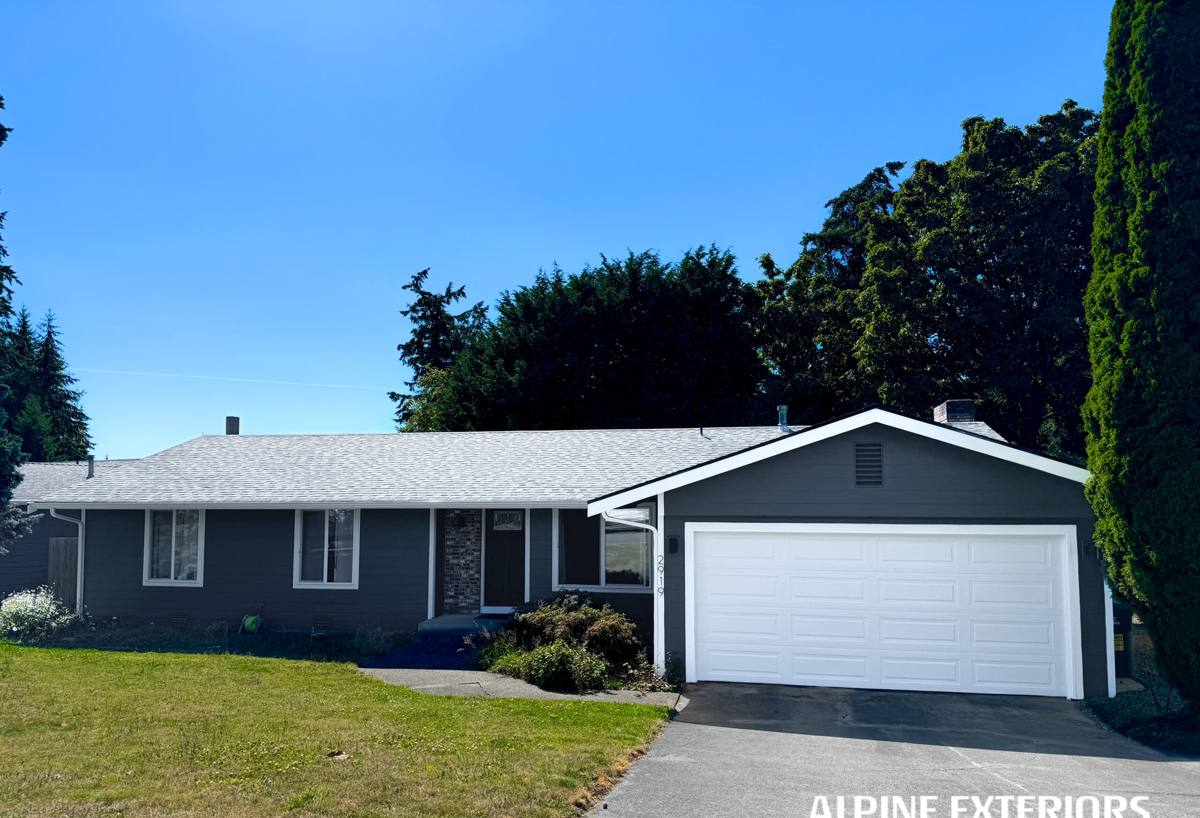
Signs Your Siding Has Reached the End of Its Service Life
Not every siding problem calls for a full tear-off. But on a coastal property like Snell Isle, certain signs mean patch repairs won't hold and full replacement is the more honest answer:
- Soft or spongy spots when you press on the siding, especially near the bottom courses and around window and door trim
- Visible warping, buckling, or panels that have pulled away from the wall line
- Paint that's peeling, bubbling, or chalking heavily even after a repaint
- Cracked or missing caulk at seams, corners, and trim, with gaps you can see daylight through
- A musty smell or discoloration on interior walls that back up to exterior siding
- Visible rot or crumbling material at butt joints, corners, or anywhere siding meets a roofline or deck
- Siding that's more than 20-25 years old and has never been fully replaced, only patched
If you're seeing two or more of these at once, it's usually a sign the underlying moisture barrier has failed in more places than are visible from the outside, and that's a replacement conversation, not a caulk-and-paint conversation.
Why We Install Only James Hardie Fiber Cement Siding
We standardized on James Hardie fiber cement and don't install vinyl, LP SmartSide, Cemplank, Allura, or primed wood products. That's not a marketing position — it's a decision based on what actually holds up under Pinellas County conditions over the long haul. Hardie's fiber cement is non-combustible, doesn't have a wood-fiber core that can swell or rot when moisture gets past a seam, and its ColorPlus factory finish is baked on and warranted against fading and peeling, which matters enormously under constant Florida UV. For coastal markets specifically, Hardie engineers a HardieZone HZ5 product line built for regions with more moisture, humidity, and storm exposure — which describes Snell Isle about as well as any spec sheet could.
How Hardie Compares to the Alternatives
| Factor | James Hardie Fiber Cement | Vinyl | Wood-Based (e.g. LP SmartSide) |
|---|---|---|---|
| Core material behavior in moisture | Cement-based; doesn't swell or rot | Doesn't rot, but can warp/deform in heat | Wood-fiber core; vulnerable if seams fail |
| Wind and impact resistance | High; engineered HZ5 line for storm regions | Can crack or blow off in high wind | Reasonable if intact, weaker once compromised |
| UV and color retention | Factory-baked ColorPlus finish, long fade resistance | Colors fade and can chalk over time | Field-applied paint fades faster, needs repainting |
| Fire rating | Non-combustible | Combustible | Combustible |
| Typical maintenance | Occasional caulk/inspection; repaint interval very long | Low, but limited repair options once damaged | Regular repainting and seam inspection |
None of these alternative products are junk — vinyl is inexpensive and low-maintenance in mild climates, and engineered wood siding performs fine when it's installed and maintained exactly to spec. But "exactly to spec, every seam, forever" is a hard standard to guarantee on a home that's absorbing salt air and storm-driven rain year after year. Hardie's fiber cement gives us a wider margin for error against exactly the conditions Snell Isle sees the most of, backed by a transferable warranty that holds up over a long ownership period.
What a Correct Siding Replacement Involves
Replacing siding is not just pulling off old panels and nailing up new ones. On a coastal property, the work that happens before and behind the visible siding is what determines whether the job lasts five years or thirty.
Water Management Behind the Cladding
Every wall needs a continuous weather-resistive barrier, properly lapped and taped, with flashing integrated at every window, door, and penetration so water is directed out and down rather than trapped behind the siding. This is the step that's easiest to shortcut and the most consequential if it's done wrong — a small gap in the barrier around a window today can mean hidden rot in the wall sheathing a few years from now, especially with the wind-driven rain this area gets during storm season.
Fastening, Clearances, and Manufacturer Spec
James Hardie publishes specific fastening patterns, nail types, and clearance requirements (siding-to-grade, siding-to-roofline, siding-to-deck) that have to be followed for the product warranty to be valid and for the material to perform as engineered. That includes correct fastener spacing, proper gapping at butt joints for expansion, and keeping the bottom edge of the siding the required distance above grade, roofing, and other horizontal surfaces so water doesn't wick up into the material. Skipping these details doesn't always show up as a problem on day one — it shows up two or three years later, which is exactly why hiring based on price alone is risky.
Our Siding Replacement Process for Snell Isle Homes
- On-site assessment — we inspect the existing siding, wall sheathing where it's exposed, trim, and flashing details to understand what's actually going on, not just what's visible from the street.
- Written scope and product plan — we lay out the Hardie product line, profile, and color plan for your home, along with a clear, itemized scope of work before anything is signed.
- Permitting — siding replacement in the City of St. Petersburg requires a building permit, and we handle that process as part of the job rather than leaving it to the homeowner.
- Removal and inspection — old siding comes off in sections so we can check the sheathing underneath for hidden moisture damage before it's covered back up.
- Weather barrier and flashing installation — this is the step that determines long-term performance, and it's done to manufacturer spec, not shortcuts.
- Hardie installation — panels, fasteners, and clearances installed to James Hardie's published specifications so the product performs and the warranty stays intact.
- Final walkthrough — we go over the finished work with you before calling the job complete.
What Drives the Cost of a Siding Replacement Here
Every home is different, but the same handful of factors move the price up or down on most Snell Isle projects:
| Cost Factor | Why It Matters |
|---|---|
| Home size and number of stories | More square footage and taller walls mean more material and more labor, including additional access equipment on multi-story homes |
| Condition of the sheathing underneath | Hidden rot or water damage found during tear-off adds repair work before new siding can go on |
| Amount of trim and architectural detail | Corners, window/door surrounds, and decorative trim add labor time beyond flat wall sections |
| Hardie product line and profile chosen | Lap siding, shingle-style panels, and board-and-batten carry different material costs |
| Color selection | Factory ColorPlus finishes vs. field-primed-and-painted options affect both cost and long-term maintenance |
| Access and site conditions | Waterfront lots, tight side yards, or landscaping near the walls can affect staging and labor time |
We'll give you a firm, itemized number after the on-site assessment rather than a ballpark over the phone — too much of the real cost depends on what's actually going on behind the existing siding.
Why a Crew That Already Works Snell Isle Is Worth Hiring
A contractor who's worked this neighborhood before already knows the kind of housing stock that's common here, the permitting process with the City of St. Petersburg, and the wind-load and moisture realities of building this close to the water. That matters more than it might seem: an installer used to inland, drier conditions may not think twice about a flashing detail or clearance measurement that's genuinely important on a waterfront lot but hasn't ever caused them a problem elsewhere. Established Snell Isle homes also tend to be older, which usually means the crew needs to be ready to find and properly address hidden sheathing damage rather than being caught off guard by it mid-project. And if your property is part of an HOA or falls under an architectural review process, a crew that's navigated that here before can move your permit and approvals along instead of guessing at requirements for the first time.
Living With and Maintaining Your New Hardie Siding
One real advantage of a correctly installed Hardie system is how little it asks of you afterward. ColorPlus-finished siding is engineered to go a long stretch without needing a repaint, unlike field-painted wood-based products that need attention every few years in this climate. That said, no siding is maintenance-free in a coastal environment. It's worth doing a simple visual check after any major storm — looking for cracked caulk at seams and trim, any panels that have shifted, and debris or salt buildup that's collected against the bottom courses. Catching a small caulk failure early is a five-minute fix; ignoring it for a couple of storm seasons can let water find its way behind the siding.
If your Snell Isle home's siding is showing its age, or you just want an honest read on whether repair or replacement makes more sense, we're happy to walk the property with you and give you a straight, no-pressure estimate. Use the form below to get started.