 St. Petersburg Roofing
 Windows Built for Life on Snell Isle
Snell Isle sits right on the water, and that changes what a window replacement job actually needs to accomplish. Homes here face a combination most inland St. Petersburg neighborhoods don't deal with in the same concentration: near-constant exposure to salt-laden air off Tampa Bay, wind-driven rain that gets pushed sideways during summer storms, intense year-round UV, and the real possibility of hurricane-force winds during the season. A window that's fine in a sheltered inland subdivision can fail years early out here if it wasn't chosen and installed with those conditions in mind.
We install windows across Pinellas County, but waterfront and near-waterfront neighborhoods like Snell Isle get a different level of attention from us on material selection, flashing detail, and sealant choice. It's not extra sales talk — it's what the environment demands.
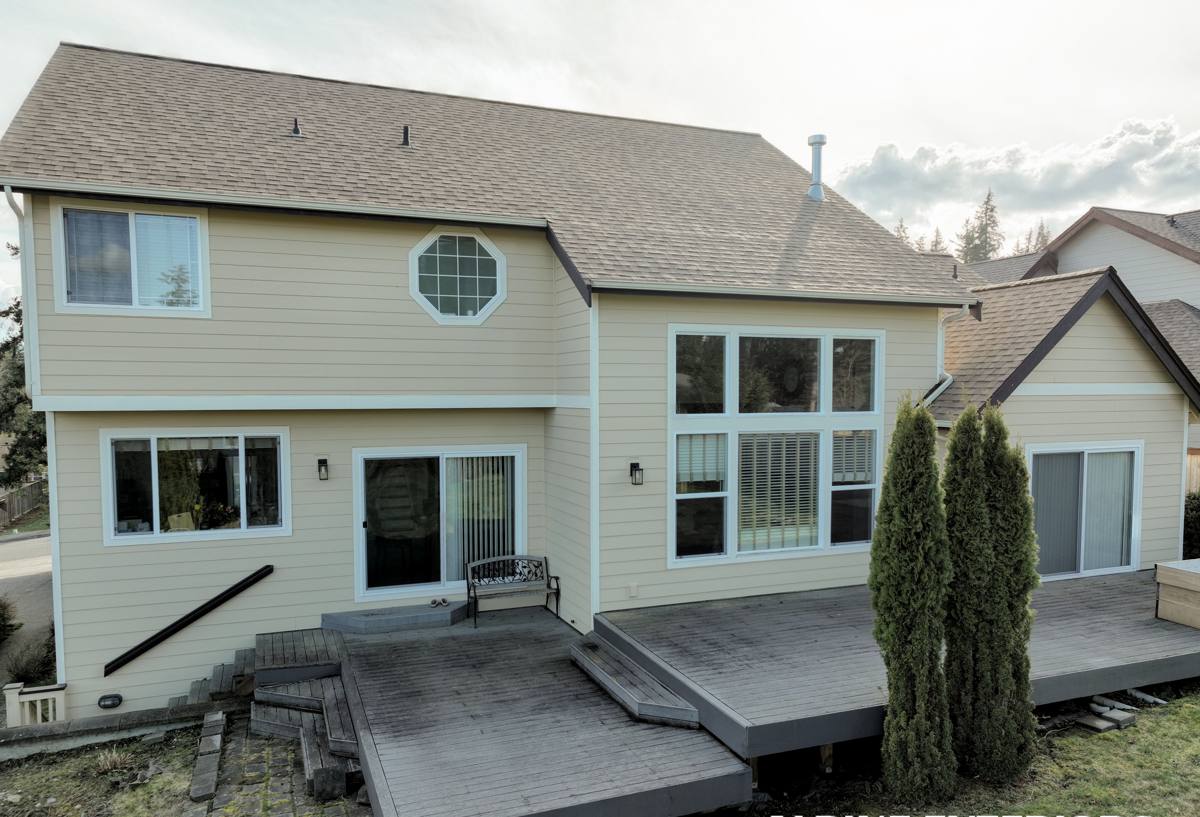
What Salt Air and Coastal Exposure Do to a Window
Salt air is corrosive, and it doesn't take a direct waterfront lot for it to matter — anywhere within a few blocks of the bay gets meaningful salt exposure carried in on the breeze. Over time it attacks hardware, fasteners, and lower-grade aluminum or vinyl components, leading to pitting, corrosion, and stiff or failing locks and cranks. It also degrades weak sealants and gaskets faster than inland conditions would, which is one of the more common reasons we get called out to older homes with window frames that look fine from the street but are letting moisture in around the edges.
What we look for on coastal homes
- Corrosion-resistant hardware — stainless steel or coated fasteners instead of standard-grade metal
- Frame materials with a track record in coastal exposure rather than the cheapest option on the shelf
- Sealants and gaskets rated for sustained UV and salt exposure, not general-purpose caulk
- Finishes that resist pitting and discoloration rather than just looking good on install day
Wind Load, Storm Protection, and Florida Code
Pinellas County follows the Florida Building Code's high-velocity hurricane zone provisions in the applicable areas, and impact-rated windows are the standard we recommend for Snell Isle homes given the wind exposure this close to open water. An impact window is built with laminated glass that stays intact under wind-borne debris impact — it doesn't just resist breaking, it's engineered so that if it does crack, it stays in the frame instead of opening the house up to wind and water intrusion.
The alternative is a code-compliant non-impact window paired with approved shutters or panels, which can work but adds a step every time a storm is approaching — someone has to actually deploy the protection before landfall. Impact glass is protection that's already in place. For a lot of Snell Isle homeowners, especially anyone who travels or isn't able to put up shutters on short notice, that's the deciding factor.
Wind rating basics worth knowing
Window products are rated by design pressure (DP) — how much wind and structural load they're engineered to handle. The correct DP rating for your home depends on your exact location, the building's height and exposure category, and how close you are to open water. This isn't a number we guess at; it's calculated per project and confirmed against current code before we order product.
UV Exposure: The Slower, Quieter Problem
Hurricanes get the attention, but year-round Florida sun does its own steady damage. UV breaks down inferior seals and glazing compounds, fades frame finishes unevenly, and — without a good low-E coating — turns windows into a major source of heat gain that drives up cooling costs in a home that's already running AC most of the year. A properly specified low-E, insulated glass unit cuts that heat transfer significantly while still letting in natural light, which matters even more on a property where the view is part of the appeal.
Signs Your Windows Are Overdue for Replacement
- Fogging or moisture between panes on double- or triple-pane units — the seal has failed
- Frames that are soft, discolored, or corroded, especially at the bottom corners
- Windows that are hard to open, close, or lock, or that rattle in wind
- Visible daylight or a draft around the frame when the window is closed
- Rising energy bills with no other clear cause
- Single-pane or older aluminum-frame windows with no impact rating in a storm-exposed location
Choosing the Right Frame and Glass for a Waterfront Property
| Factor | What to Weigh |
|---|---|
| Frame material | Vinyl and fiberglass resist corrosion well; quality aluminum can work but needs corrosion-resistant coatings and hardware near the water |
| Glass package | Impact-rated laminated glass is our standard recommendation for this exposure; low-E coating helps with year-round heat and UV |
| Hardware | Stainless steel or marine-grade coated hardware holds up longer against salt air than standard-grade fasteners |
| Style match | Older Snell Isle homes often call for a style-appropriate look (true divided-lite patterns, historic proportions); newer builds have more flexibility |
| Warranty structure | Look for coverage on both the glass unit and the frame/hardware, and understand what voids it — poor installation is the most common cause |
What a Correct Installation Actually Involves
The window product matters, but installation quality is what determines whether it performs for the next 20 years or starts leaking in three. This is especially true here, where a bad flashing detail or a skipped sealant step gets tested by real wind-driven rain, not just a garden hose.
Our process
- On-site assessment. We measure existing openings, check for water damage, rot, or settling around the frame, and confirm the wind pressure and impact requirements for your exact location.
- Product selection. We walk through frame material, glass package, and style options that fit both the home and the coastal exposure — no upselling product you don't need, no cutting corners on product you do.
- Removal and inspection. Old units come out carefully so we can inspect the rough opening, sheathing, and framing underneath for hidden moisture damage before anything new goes in.
- Proper flashing and sealing. This is the step that actually keeps water out — correct flashing tape, backer rod, and sealant applied in the right order and sequence, not just a bead of caulk around the trim.
- Set, shim, and fasten. Windows are set level and plumb, shimmed correctly so the frame isn't under stress, and fastened per manufacturer and code requirements.
- Final inspection and cleanup. We check operation, seal integrity, and finish work, and pull any required permits and inspections through to close-out.
Permits and Inspections
Window replacement in St. Petersburg and Pinellas County typically requires a permit, particularly when you're upgrading to impact-rated product or changing the opening in any way. We handle the permitting and coordinate the required inspections as part of the job — it's not an extra you have to chase down yourself, and it protects you if you ever sell the home and need documentation that the work was done to code.
Why a Crew That Already Works Snell Isle Matters
A contractor who mostly works inland jobs can still install a window competently, but they may not default to the coastal-grade hardware, sealant systems, and flashing details this location actually calls for unless you ask. We work this kind of waterfront and near-waterfront exposure regularly across the St. Petersburg area, so those decisions are already built into how we spec and install a job here — not an afterthought. That includes knowing which products hold up against salt air over the long run and which ones look fine on day one but create maintenance headaches within a few years.
We also understand that a lot of homes in this neighborhood carry a certain character — older construction mixed with updated builds — and matching window style to the house is part of doing the job right, not just swapping in whatever's fastest to install.
Maintaining New Windows in a Coastal Environment
- Rinse frames and hardware periodically to clear salt residue, especially after storms
- Keep weep holes clear of debris so water can drain properly out of the frame
- Check and lubricate hardware if it starts to feel stiff — don't force a corroding mechanism
- Inspect exterior sealant lines annually and have any cracking or gaps addressed before they let water in
If your windows in Snell Isle are aging, drafty, or you're simply ready to upgrade to impact-rated protection, we're glad to come take a look. The estimate is free, there's no pressure, and you'll get a straight answer about what your home actually needs — just fill out the form below to get started.