 St. Petersburg Roofing
 Roofing on a Barrier Island Is a Different Job
St. Pete Beach sits on a narrow strip of land between the Gulf of Mexico and Boca Ciega Bay, and that location changes what a roof has to survive. Homes here take on hurricane-force wind gusts during tropical systems, near-constant UV exposure that most inland Florida homes don't see at the same intensity, wind-driven rain that gets pushed sideways under poorly sealed edges, and salt-laden air that works on metal components year-round, not just during storms. An asphalt shingle roof that would hold up fine in a subdivision ten miles inland can fail early here if it wasn't built with these conditions specifically in mind.
This page covers what asphalt shingle roofing actually requires for a St. Pete Beach home — the materials, the installation details, and the decisions that matter — not a generic overview of shingle roofing in general.
What the Coastal Climate Does to a Shingle Roof
Wind Exposure
Because St. Pete Beach has open water on multiple sides with little in the way of buildings or tree cover to break wind speed, roofs here experience higher sustained winds and stronger gusts than the same style of home would see further inland in Pinellas County. Shingle uplift almost always starts at edges, ridges, and hips — the places where wind gets underneath the shingle tab. A roof that's properly rated and properly fastened for this exposure category holds up; one that was installed to a lower standard loses shingles in storms that a well-built roof shrugs off.
UV and Heat Cycling
Florida sun is intense everywhere, but a beach property gets it with almost nothing to shade the roof deck for most of the day. UV breaks down the asphalt binders in shingles over time, and the daily heat-up/cool-down cycle stresses the granule bond and the seal strips between shingle courses. This is a slow, cumulative process — it's part of why shingle life expectancy is a range, not a fixed number, and why ventilation (covered below) matters so much here.
Salt Air
Salt in the air corrodes exposed metal faster than it would inland — nails, flashing, vent stacks, and drip edge are all affected. This doesn't mean shingles themselves are at extra risk from salt the way metal roofing components are, but it does mean the metal accessories that go along with a shingle roof (flashing, valleys, fasteners) need to be a grade that's suited to coastal exposure, not whatever is cheapest.
What a Correct Installation Involves
A shingle roof is a system, not just a layer of shingles. Every component below has to work together for the roof to perform the way it's rated to.
Deck and Underlayment
We check the roof deck for soft spots, delamination, and fastener pull-through before anything goes down — a shingle roof is only as good as what it's nailed to. Over the deck, a synthetic or self-adhering underlayment provides the actual water barrier; shingles are the weather-shedding layer, but the underlayment is what keeps wind-driven rain out if water ever gets past the shingles. In wind-driven rain conditions like the ones St. Pete Beach sees during tropical weather, this layer earns its keep.
Nailing Pattern and Wind Rating
Shingle wind ratings are only real if the shingle is fastened the way the manufacturer specifies — correct nail count, correct placement in the nailing zone, and nails driven flush (not overdriven or underdriven). Overdriven nails cut into the shingle and create a weak point; underdriven nails hold the shingle proud of the deck and leave it more exposed to wind. This is one of the most common places corners get cut, and it's also one of the least visible from the ground, which is exactly why it matters who's on the roof doing the nailing.
Flashing and Penetrations
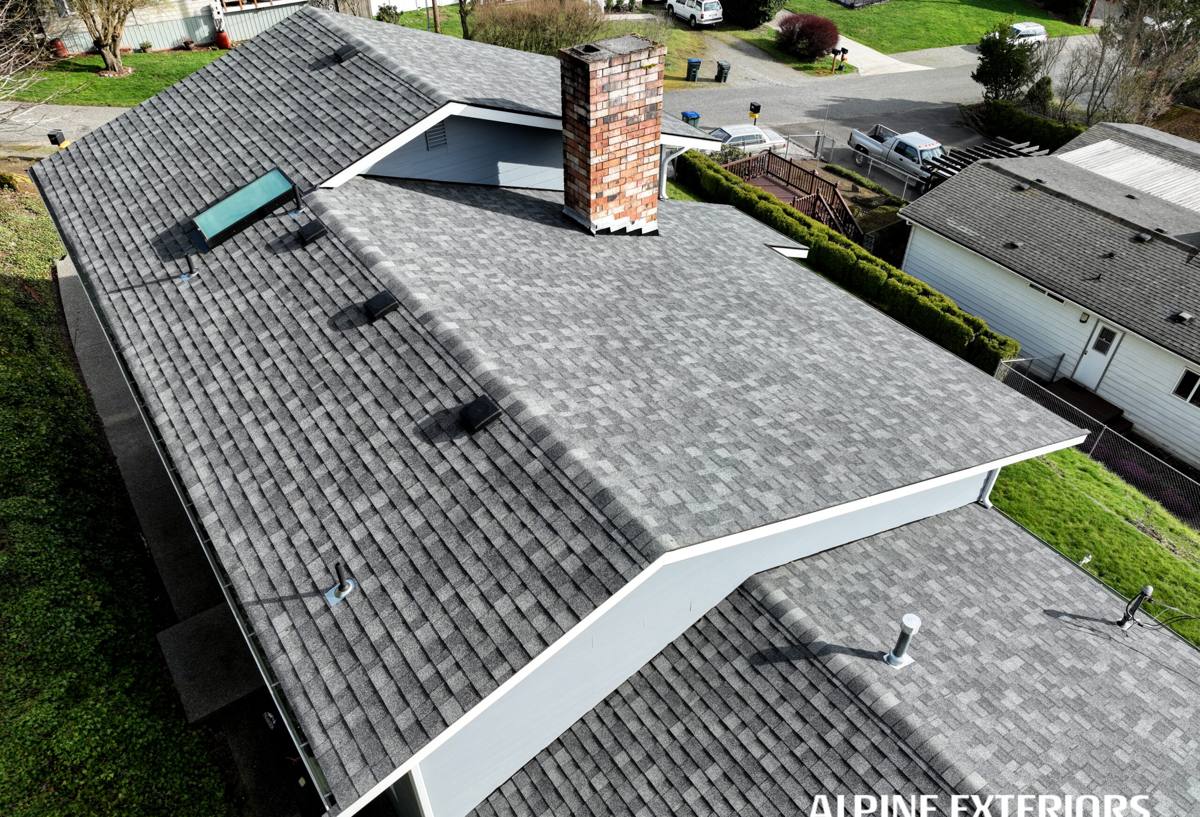
Valleys, roof-to-wall transitions, chimneys, skylights, and vent penetrations are where the large majority of leaks originate — not the open field of shingles. Step flashing, counter-flashing, and pipe boots need to be sized, lapped, and sealed correctly, using metal suited to salt air exposure. A shingle roof can look complete from the street and still have flashing detail that will leak within a few seasons.
Ventilation
Proper intake and exhaust ventilation keeps attic temperatures down and moisture from building up under the deck. In a high-UV, high-heat climate like this one, poor ventilation accelerates shingle aging from underneath and can void manufacturer warranties outright.
Choosing a Shingle for This Exposure
Not every asphalt shingle product is built for the same wind and UV load. The table below is a general comparison of the shingle classes we discuss most often with St. Pete Beach homeowners — actual wind ratings and warranty terms vary by manufacturer and product line, so we confirm specifics during your estimate.
| Shingle Type | Typical Wind Rating | Best Fit | Relative Cost |
|---|---|---|---|
| 3-tab | Lower end of the range | Budget-conscious projects, less wind-exposed roof planes | Lowest |
| Architectural (laminated) | Mid-to-upper range | Most St. Pete Beach homes; good balance of durability and cost | Moderate |
| High-wind / impact-rated architectural | Upper range | Direct water-facing exposures, insurance credit eligibility | Highest |
We generally steer beach-facing and higher-exposure homes toward architectural or high-wind-rated products, both because they perform better in sustained coastal wind and because they can factor into wind mitigation credits on a homeowner's insurance (see below).
Our Process for a St. Pete Beach Roofing Project
- Inspection. We assess the deck, existing flashing, ventilation, and shingle condition, and check for storm damage that isn't visible from the ground.
- Written proposal. You get a clear scope of work and materials before anything is scheduled — no surprise line items.
- Permitting. Reroofing in St. Pete Beach requires a permit through the appropriate local building authority; we handle that paperwork as part of the job.
- Tear-off and deck prep. Old material comes off down to the deck so we can actually see what we're building on, not just re-cover a problem.
- Installation. Underlayment, flashing, and shingles go in following manufacturer specs for the wind zone.
- Final walkthrough. We inspect the completed roof with you and go over warranty paperwork.
Repair or Replace? How We Help You Decide
Not every issue on a St. Pete Beach shingle roof means a full replacement. Age, the extent of damage, and how many separate issues are showing up all factor into the recommendation. Signs worth having looked at include:
- Missing, curling, or cracked shingles, especially along ridges, hips, or edges
- Granules collecting in gutters or at downspouts
- Visible daylight through the attic deck or new staining on interior ceilings
- Soft or spongy spots when walking the roof
- Lifted or damaged flashing around chimneys, vents, or roof-to-wall transitions
- Shingles that look intact but are past the age where they can reliably meet current wind ratings
If the roof is otherwise sound and the damage is localized, a repair is often the right call. If the roof is aging out, has recurring leaks in different spots, or took storm damage across multiple areas, a full replacement is usually the more honest recommendation — and we'll tell you which situation you're in.
Maintenance That Actually Extends Roof Life Here
Because of the sun and salt exposure, shingle roofs on St. Pete Beach benefit from more frequent attention than the same roof would need further inland.
- Keep gutters and valleys clear so water isn't sitting against shingle edges
- Have flashing and sealant checked annually, since it's the first thing to age out
- Trim back overhanging vegetation to reduce debris buildup and abrasion
- Get a post-storm inspection after any named tropical system, even without visible damage
- Address small leaks immediately — deck damage spreads quietly under intact-looking shingles
Permitting, Wind Mitigation, and Insurance in Pinellas County
A new roof in St. Pete Beach isn't just a construction project — it can affect your homeowners insurance. A properly documented, code-compliant installation with the right shingle class and fastening pattern can qualify for wind mitigation credits on your policy. We provide the documentation needed to support that process, but the credit itself is determined by your insurer based on Florida's wind mitigation inspection form. If you're not sure whether your current roof already qualifies, that's worth asking us about during an inspection rather than assuming either way.
Why Local Experience on This Island Matters
St. Pete Beach has its own practical realities that a crew based elsewhere doesn't always account for: limited street access on parts of the island, condo and HOA requirements that can affect scheduling and material staging, and building department expectations specific to Pinellas County's coastal construction rules. A crew that already works this area shows up knowing how to navigate those details instead of learning them on your job. We've built our process around what actually works for homes in this exposure, not a one-size-fits-all approach carried over from inland projects.
If you're weighing a repair, planning a replacement, or just want an honest read on where your roof stands, we're glad to take a look. Fill out the form below for a free, no-pressure estimate.