 St. Petersburg Roofing
 Why St. Pete Beach Roofs Wear Out Faster Than Inland Homes
A house two blocks from the Gulf ages differently than one ten miles inland, and the roof takes the worst of it. St. Pete Beach sits directly on the water, which means every roof here deals with a combination inland Pinellas County homes never see in the same intensity: salt-laden air that accelerates corrosion on fasteners and flashing, near-constant UV exposure that breaks down shingle asphalt and granules faster than the manufacturer's rated lifespan assumes, wind-driven rain that finds every weak seam and nail pattern, and the periodic direct hit or near-miss from hurricane-force wind events. None of that means a roof here is doomed to fail early — it means the roof has to be built and installed correctly for this specific exposure, not just installed to a generic spec sheet.
That distinction matters more on St. Pete Beach than almost anywhere else in the St. Petersburg service area. A roof replacement done right for a barrier island home accounts for wind uplift resistance, corrosion-resistant fastening, proper underlayment for wind-driven rain, and ventilation that doesn't trap salt-humid air against the deck. A roof replacement done to a generic minimum standard will often look fine for the first year or two and then start showing problems — lifted shingle edges, rusting exposed fasteners, granule loss, soft spots at penetrations — well before it should.
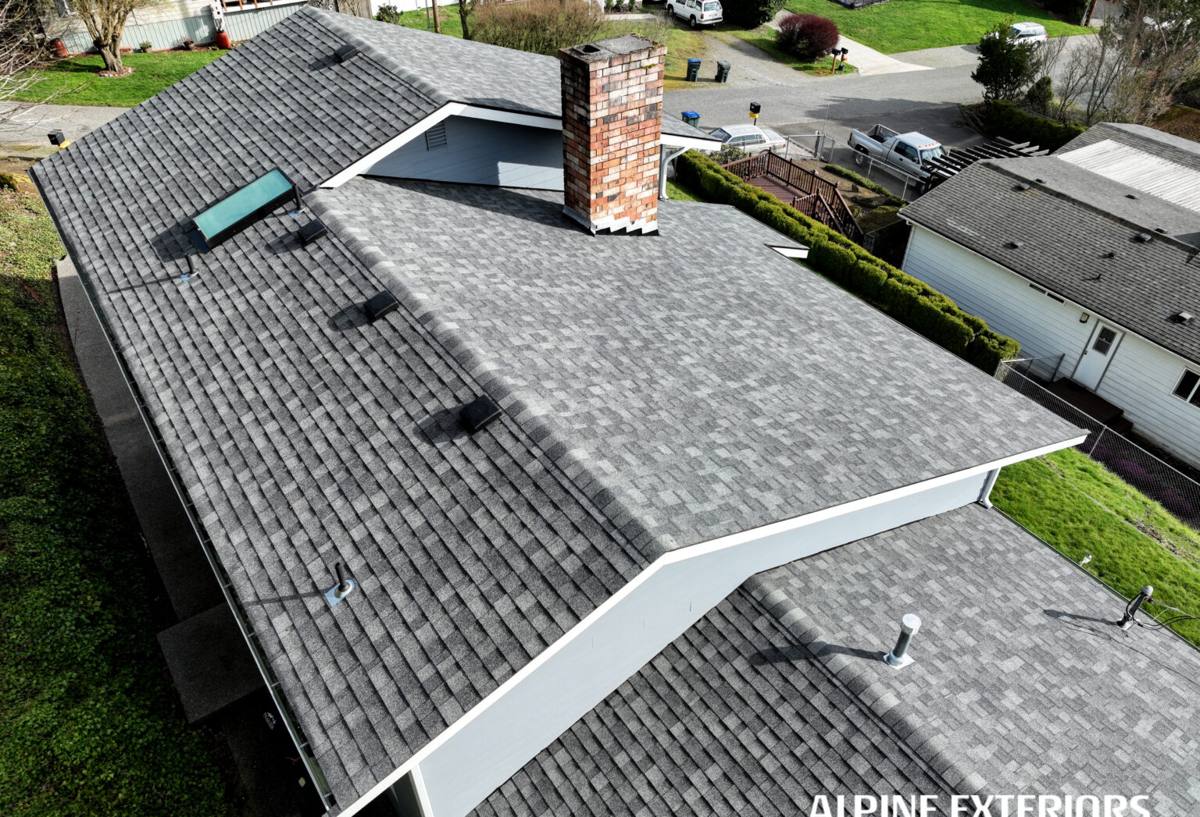
Signs a St. Pete Beach Roof Needs Replacement, Not Another Repair
Every roof reaches a point where patching individual problems stops making financial sense. Recognizing that point early saves money and avoids interior damage from a leak that finally gets through. Homeowners near the coast should watch for a specific set of warning signs, some of which show up earlier here than they would inland.
- Granule loss heavy enough that you can see bare asphalt in spots, especially on south- and west-facing slopes that take the most direct sun
- Shingle edges that curl, cup, or lift even when there's been no recent storm
- Rust staining or visible corrosion around vent boots, flashing, and exposed nail heads
- Soft or spongy spots when walked, which usually means the deck underneath has absorbed moisture
- Daylight visible through the roof deck from the attic, or damp insulation after rain
- A roof that's already 15-20+ years old and has taken multiple storm seasons of direct Gulf exposure
- Repeated repairs to the same area of roof within a short span of time
If two or more of these apply, a replacement conversation is usually more honest than another round of spot repairs. We'll always tell a homeowner when a repair is the right call instead — a full replacement isn't the answer to every roof problem, and a contractor who tells you otherwise every time isn't being straight with you.
What Florida Building Code Requires for a Coastal Roof Replacement
Roof replacement isn't just a materials swap — it's a permitted construction project governed by the Florida Building Code, and Pinellas County's coastal geography puts St. Pete Beach into higher wind-design categories than inland construction. A few of the code-driven requirements that matter most for a barrier island home:
Wind Uplift and Fastening
Design wind speeds along the immediate Gulf coast in Pinellas County run higher than they do just a few miles inland, which affects everything from nailing patterns to the wind-uplift rating of the shingle or system itself. Fastener count, placement, and type aren't left to a crew's habit — they're specified by the manufacturer's tested assembly and checked against code minimums for the site's wind zone.
Secondary Water Barrier
Because wind-driven rain can force water under shingles or tiles during a storm, code and best practice both call for a sealed roof deck — either self-adhering underlayment or taped/sealed seams — that acts as a backup water barrier if the primary roof covering is compromised. This is also a factor insurance companies look at for wind mitigation credits, covered further below.
Permitting and Inspection
A legitimate roof replacement in St. Pete Beach requires a permit through the appropriate local building department, along with the inspections tied to it — typically a dry-in inspection before covering the underlayment and a final inspection once the roof is complete. Skipping permits isn't a shortcut; it can create real problems at resale and with insurance claims down the line, since an unpermitted roof often can't be verified as code-compliant.
Choosing a Roofing System for a Gulf-Facing Home
There's no single "best" material for every St. Pete Beach roof — the right choice depends on the home's structure, roof pitch, budget, and how much long-term maintenance the homeowner wants to take on. Here's how the common options compare specifically for coastal exposure.
| Material | Coastal Durability | Maintenance | Relative Cost |
|---|---|---|---|
| Architectural asphalt shingle | Good when wind-rated and properly fastened; UV and salt air will shorten lifespan versus inland use | Low to moderate; periodic inspection after storms | Lowest upfront |
| Standing seam metal | Very good; handles wind uplift well and resists salt corrosion when properly coated and fastened with compatible hardware | Low; occasional fastener and sealant checks | Higher upfront, longer service life |
| Concrete or clay tile | Very good structurally against wind once properly attached; underlayment failure is the more common weak point over time | Moderate; underlayment life matters more than the tile itself | Higher upfront, heavier structural demand |
| Flat/low-slope membrane (TPO, modified bitumen) | Good for additions, porches, and flat sections when seams and flashing are done correctly | Moderate; seams need periodic inspection | Varies by system and square footage |
For most primary roof slopes on St. Pete Beach homes, we see architectural shingle and metal as the two most common choices — shingle for budget-conscious replacements that still meet wind ratings, metal for homeowners planning to stay long-term and wanting to minimize future maintenance. Tile shows up more on homes built with a tile aesthetic already in place, since matching or replacing an existing tile roof is usually more practical than switching systems entirely.
Our Roof Replacement Process
A roof replacement is only as good as the steps nobody sees once it's finished. Here's what a correct process looks like from start to finish.
- Inspection and scope. We walk the roof, check the attic, and identify deck condition, flashing points, penetrations, and any storm damage before writing a scope of work — not a generic square-footage quote.
- Permit pulled. The permit is filed before work begins, matched to the actual system being installed.
- Tear-off. Old roofing is removed down to the deck, not layered over, so we can actually see what's underneath.
- Deck inspection and repair. Any soft, delaminated, or water-damaged decking gets replaced before anything new goes down — this step gets skipped by corner-cutters and it's the single most important part of a durable roof.
- Drip edge and underlayment. Corrosion-resistant drip edge goes on first, followed by the underlayment system — including the secondary water barrier where called for — installed to manufacturer spec for wind-driven rain resistance.
- Roof covering installed. Shingles, metal panels, or tile go on following the manufacturer's tested fastening pattern for the site's wind rating, not a generic nail pattern.
- Flashing and penetrations sealed. Every vent, pipe boot, and wall flashing is a potential leak point — these get done carefully, not rushed.
- Ventilation checked. Proper intake and exhaust ventilation keeps the attic from trapping heat and moisture, which matters even more in a humid coastal climate.
- Cleanup and final inspection. Job site is cleared of debris and nails, and the work is closed out with the required inspection.
What Drives the Cost of a St. Pete Beach Roof Replacement
Every roof is priced individually, but the same handful of factors move the number up or down on almost every job. Understanding them helps homeowners get an accurate estimate instead of comparing apples to oranges between bids.
| Factor | Why It Matters |
|---|---|
| Roof size and pitch | More square footage and steeper pitches both mean more material and labor time, plus additional safety measures on steep slopes |
| Material chosen | Metal and tile carry a higher material and installation cost than architectural shingle, offset by longer service life |
| Deck condition | Rotted or water-damaged decking found during tear-off adds material and labor not visible in the initial estimate |
| Number of existing layers | Homes with multiple layers of old roofing take longer and cost more to tear off than a single-layer roof |
| Roof complexity | Valleys, dormers, chimneys, and multiple penetrations all add flashing work and labor time |
| Access and site conditions | Tight lot lines, landscaping, or limited staging space common on barrier island lots can affect crew efficiency |
A full roof replacement on a typical St. Pete Beach home generally falls well into five figures once material, labor, permitting, and disposal are factored in — the range within that is wide, which is exactly why we walk every roof in person before quoting rather than pricing over the phone.
Why Local Experience on St. Pete Beach Matters
Roofing crews that mostly work inland neighborhoods aren't automatically bad at their jobs, but they often haven't built the habits that matter on a barrier island. A crew that regularly works St. Pete Beach already knows to spec corrosion-resistant fasteners and flashing as a default rather than an upsell, understands the permitting expectations of the local building department, and has a feel for how salt air and direct Gulf wind exposure actually behave against a roof over time — not just in a manufacturer's data sheet. That experience shows up in the small decisions: which underlayment gets used near the coastline, how flashing is detailed around penetrations, and which fastener coatings actually hold up instead of rusting through in a few seasons.
It also matters for insurance. Many Florida homeowners near the coast can qualify for a wind mitigation inspection that documents features like a sealed roof deck, wind-rated roof covering, and proper attachment — all of which can lower windstorm insurance premiums. A crew familiar with St. Pete Beach construction knows how to build and document a replacement so that inspection goes smoothly, rather than leaving a homeowner to sort it out after the fact.
Keeping a New Roof Sound in a Coastal Climate
A correctly installed roof still needs basic upkeep to reach its full service life on St. Pete Beach. None of this is complicated, but it's easy to let slide until a small issue becomes a leak.
- Walk the roofline (or have it checked) after any significant storm, not just after a direct hurricane hit
- Keep gutters and downspouts clear so water isn't backing up under the roof edge
- Check pipe boots and flashing periodically — these are the most common leak points on any roof, coastal or not
- Watch for granule buildup in gutters, which signals accelerating shingle wear
- Trim back overhanging vegetation that holds moisture against the roof or drops debris into valleys
- Keep attic ventilation clear so heat and humidity aren't trapped against the underside of the deck
- Address small leaks immediately — a stain on a ceiling is almost always smaller and cheaper to fix than what caused it
If your roof was replaced correctly to begin with, this maintenance is genuinely light. It's the difference between a roof that reaches or exceeds its expected lifespan and one that needs early attention because small problems were left to compound in the salt air and sun.
Get an Honest Look at Your Roof
If you're weighing repair versus replacement, comparing materials, or just want a straight answer about what your St. Pete Beach roof actually needs, we're glad to take a look. The estimate is free, there's no pressure attached to it, and you'll get a clear explanation of what we find — use the form below to get started.