 St. Petersburg Roofing
 Window Replacement Built for Bartlett Park's Coastal Conditions
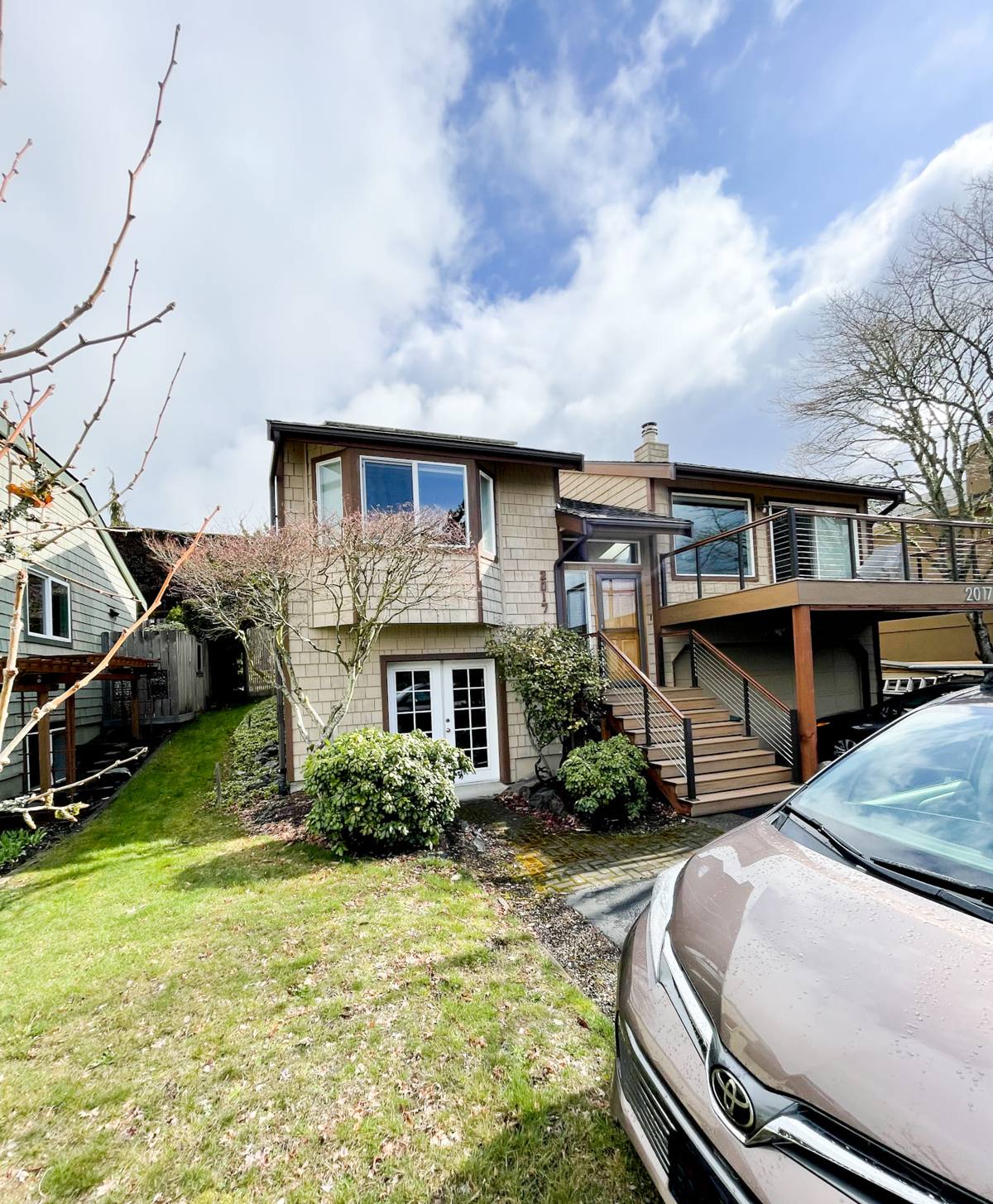
Bartlett Park sits close enough to Tampa Bay that its homes take the full brunt of Pinellas County's weather — sun, salt, and storms, year after year. Older single-pane and early-generation double-pane windows in this neighborhood were often installed decades before current Florida Building Code wind and impact standards existed, which means a lot of homes here are carrying windows that were never designed for what St. Petersburg actually throws at a house. Replacing them correctly isn't just a cosmetic upgrade — it's one of the more consequential things you can do for a home's storm readiness, energy bills, and long-term maintenance load.
This page covers what window replacement actually involves for a Bartlett Park home specifically: the local stressors your windows deal with, what separates a correct installation from a sloppy one, and how our process works when we come out to your property.
What Bartlett Park's Climate Actually Does to Windows
Every part of St. Petersburg deals with heat and humidity, but a few specific stressors hit older or lower-grade windows especially hard in this area:
- Hurricane-force wind loads: Even homes outside the highest-velocity hurricane zones need windows rated to withstand sustained wind pressure and, in many cases, wind-borne debris impact.
- Wind-driven rain intrusion: Tropical systems don't just bring wind — they push rain sideways at the building envelope. A window that seals fine in a normal rainstorm can still leak badly when rain is being forced horizontally into the frame under pressure.
- Intense, near-constant UV exposure: Florida's sun degrades vinyl, weatherstripping, and glazing seals faster than in most other parts of the country. UV breakdown is a major reason older windows fail years before their glass or frame "should" have worn out.
- Salt air corrosion: Proximity to Tampa Bay means airborne salt settles on and around window components. It accelerates corrosion on hardware, hinges, and lower-grade metal frames, and it can degrade certain sealants over time.
- Daily thermal cycling: Hot, humid days followed by AC-cooled interiors put constant expansion-and-contraction stress on frames and seals — a slow, cumulative wear pattern that's easy to miss until it shows up as a draft or a leak.
None of these stressors act alone. A window that's already UV-degraded and salt-corroded has far less reserve capacity to handle wind and rain when a storm actually arrives — which is exactly when you need it to perform.
Signs a Bartlett Park Home's Windows Need Replacing, Not Just Repair
Not every window problem means full replacement. But in a coastal, storm-exposed neighborhood like this one, certain symptoms are worth taking seriously rather than patching repeatedly:
- Visible fogging or moisture between panes (a failed seal — this cannot be repaired, only replaced)
- Frames that feel soft, chalky, or show cracking from UV exposure
- Windows that are difficult to open, close, or lock — often a sign of frame warping or settling
- Noticeable drafts or a rise in energy bills with no other explanation
- Visible corrosion on hardware, tracks, or hinges
- Water staining on interior sills or drywall after storms
- Single-pane glass or aluminum frames original to a home built before current wind-load codes
- Audible outside noise that seems louder than it should be for the window's age
If you're seeing two or more of these on the same window, replacement is almost always the more cost-effective long-term move over repeated repair calls.
What a Correct Window Replacement Involves
It's Not Just the Window Unit
The window product itself matters, but installation quality is what actually determines how it performs in a storm. A correctly done replacement addresses the entire opening, not just the glass and frame that get set into it:
- Full removal and inspection of the old opening: checking the rough opening, sill, and surrounding structure for rot, moisture damage, or prior improper installation before anything new goes in.
- Proper flashing and water管理: flashing tape and sill pans that direct any water that gets past the window back out, rather than into the wall cavity.
- Correct fastening per the window's wind-load rating: the fastener type, spacing, and embedment depth all have to match the product's tested and approved installation instructions — this is what the wind rating actually depends on.
- Sealant compatible with the frame material and Florida's UV/humidity conditions.
- Interior and exterior trim reinstalled or replaced cleanly, with attention to how it sheds water.
Skipping any one of these steps is how a homeowner ends up with a brand-new, correctly-rated window that still leaks or underperforms in a storm — the product wasn't the problem, the installation was.
Choosing the Right Window for a Bartlett Park Home
Frame material and glass package both affect how a window holds up to sun, salt, and wind. There's no single "best" choice for every home — it depends on your budget, the home's age and construction, and how exposed the specific elevation is. Here's a general comparison to help frame the conversation:
| Frame Material | Wind/Impact Performance | Salt Air Resistance | Maintenance | Typical Cost Position |
|---|---|---|---|---|
| Vinyl | Good, when reinforced and properly rated | Good — doesn't corrode | Low | Entry to mid-range |
| Aluminum | Very good structural strength | Moderate — can corrode without proper coatings | Moderate | Mid-range |
| Fiberglass | Very good, stable in heat | Good | Low | Higher |
| Wood/Wood-Clad | Good, but sensitive to moisture without diligent upkeep | Requires more upkeep near salt air | High | Higher |
Within any of these frame materials, you'll also choose a glass package. For this area, impact-rated laminated glass is worth serious consideration — it's designed to stay intact even when the outer pane cracks under debris impact, which matters both for storm protection and for daily security. Low-E coatings and appropriate gas fills between panes also make a real difference in cutting down UV-driven heat gain, which shows up directly on cooling bills given how much of the year Pinellas County runs air conditioning.
Impact Windows vs. Impact Film: An Honest Comparison
Homeowners sometimes ask whether adding film to existing windows is a substitute for replacement. It's a legitimate lower-cost option for some situations, but it's a different product with different trade-offs. Film can add some protection to existing glass, but it doesn't upgrade the frame, the seals, or the anchoring — the parts most likely to fail in an older window during a real storm event. If your existing frames and seals are already showing UV or corrosion wear, film on top of a compromised frame doesn't solve the underlying problem. We'll always give you a straight assessment of whether your existing windows are a good candidate for film or genuinely need replacement — we'd rather tell you the truth than sell you the more expensive option when it isn't warranted.
Our Process for Bartlett Park Window Replacement
- On-site assessment: We look at every window opening individually — sun exposure, current condition, frame material, and any signs of past water intrusion.
- Honest recommendation: We tell you which windows need full replacement, which could be repaired, and why — with real trade-offs explained, not upsold.
- Product selection: We walk through frame material and glass package options that fit your budget and your home's exposure.
- Permitting: Window replacement in St. Petersburg requires a permit through the city or Pinellas County depending on jurisdiction. We handle that paperwork so you don't have to chase it down.
- Installation: Old units removed, opening inspected and prepped, new windows set, flashed, fastened, and sealed to the manufacturer's tested specifications.
- Final walkthrough and inspection sign-off: We confirm operation, seal quality, and that everything passes the required inspection before we consider the job done.
Why a Crew That Already Works Bartlett Park Matters
A contractor who works this neighborhood regularly already understands the general housing stock, the typical exposure levels on different lots, and how St. Petersburg and Pinellas County permitting and inspection actually run in practice — not just in theory. That familiarity translates into fewer surprises: fewer permit delays, fewer "we didn't expect that" moments when an old opening turns out to have hidden rot or a non-standard rough opening size, and a straighter path from estimate to finished, inspected job. It also means we're a known, findable local business if you ever have a warranty question or a storm-related concern down the road — not a crew that showed up from out of the area for one job and moved on.
What to Ask Before Hiring Anyone for Window Work
- Are you licensed to do this work in Florida, and can I verify that license?
- Do you carry liability insurance and workers' compensation coverage?
- Will you pull the required permit, or is that left to me?
- What wind/impact rating do the proposed windows carry, and is that appropriate for my home's location?
- What does the installation warranty cover, separate from the manufacturer's product warranty?
- Who handles the final inspection, and what happens if something doesn't pass?
Any contractor who hesitates on these questions is worth thinking twice about — they're basic, reasonable things to ask before letting anyone open up your home's exterior.
If your Bartlett Park home has windows that are original, drafty, foggy, or just past their prime, we're happy to come take a look. There's no pressure and no obligation — just a straightforward assessment and a clear estimate so you know exactly what you're working with. Fill out the form below to get started.