 St. Petersburg Roofing
 Windows Built for How Disston Heights Actually Lives
Disston Heights sits inland enough from the bay to feel like a quiet, tree-lined neighborhood, but it's still squarely inside Pinellas County's climate zone — which means every window on every home here is fighting the same battle: relentless sun, humidity that never really lets up, and the chance of a tropical system pushing wind-driven rain sideways into the siding. Older single-pane or early-generation double-pane windows in this neighborhood are usually the weak point in a home's energy bill and its storm readiness at the same time. When we talk about "energy-efficient windows" for a Disston Heights home, we're not selling a buzzword — we're talking about a specific set of glass, frame, and installation choices that hold up to St. Petersburg's particular mix of heat, UV, salt-laden air, and storm risk.
This page covers what that actually means: what the climate demands, what a correct installation involves, how our process works, and why using a crew that already knows this neighborhood's housing stock matters more than it might seem.
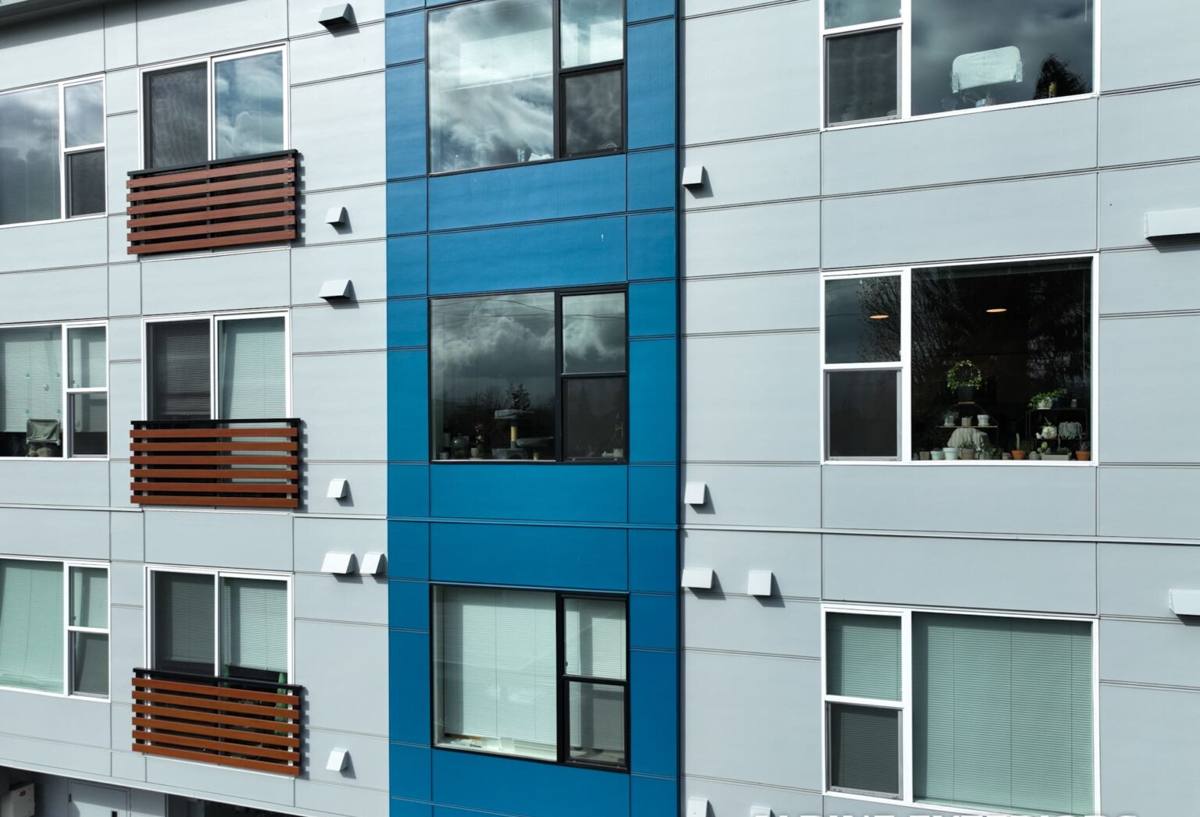
What St. Petersburg's Climate Does to Windows Over Time
Four things wear on windows here more aggressively than in most parts of the country, and any window we recommend has to answer all four — not just one or two.
Year-Round UV Exposure
Florida's sun angle and day length mean glass and frame materials take a near-constant UV load, twelve months a year. Cheaper vinyl frames can chalk, warp, or discolor years before they should. Standard glass without a proper low-E coating lets in enough UV and infrared heat to fade flooring, furniture, and window treatments from the inside.
Heat and Humidity Load
Air conditioning is the single biggest energy expense in most Pinellas County homes, and windows are usually the leakiest part of the building envelope. A poorly sealed or single-pane window makes the AC work harder all day, every day, for most of the year — not just during a hot spell.
Wind-Driven Rain and Storm Pressure
Even homes that aren't right on the coast still take hurricane-force wind gusts and heavy, sideways rain during tropical weather. Windows need frames and seals rated to keep that water out under pressure, not just when rain is falling straight down.
Salt Air and Corrosion
St. Petersburg is a peninsula — salt-laden air moves further inland here than people expect, and it accelerates corrosion in hardware, fasteners, and lower-grade metal components. Frame and hardware material choice matters even for homes that feel "inland."
What "Correct" Looks Like: Product Standards We Hold To
Not every window sold as "energy-efficient" is built the same way, and the differences show up in a Florida climate faster than they would somewhere milder. Here's what we look for and install to:
- Impact-rated or wind-load-rated glass and frames appropriate to Pinellas County's building code requirements
- Low-E glass coatings that block UV and infrared heat transfer without noticeably darkening the room
- Insulated (dual-pane) glass units with a properly sealed, argon- or air-filled gap
- Corrosion-resistant hardware and fasteners — standard steel components don't hold up to coastal air over time
- Frame materials (vinyl, fiberglass, or aluminum, depending on the home) matched to the specific application rather than a one-size-fits-all default
- Proper flashing and sealant details around the rough opening, not just caulk around the trim
We'll walk you through the trade-offs between frame materials honestly. Vinyl is a strong value option and performs well thermally, but quality varies a lot between manufacturers, and we won't install a line we don't trust in this climate just because it's cheaper. Fiberglass costs more but handles thermal expansion and UV exposure better over the long run. Aluminum has its place, particularly for larger openings, but needs a thermal break to avoid becoming a heat and condensation conduit. We'll tell you which fits your home and your budget — not just push whatever has the best margin.
Frame Material Comparison
| Frame Material | Thermal Performance | Coastal Durability | Typical Cost Position |
|---|---|---|---|
| Vinyl (quality-grade) | Good to very good | Good — won't corrode, some UV chalking risk over decades | Entry to mid-range |
| Fiberglass | Very good | Excellent — low expansion, holds paint/finish well | Mid to upper-range |
| Aluminum (thermally broken) | Fair to good, depends on break quality | Good with proper coating; watch fastener corrosion | Mid-range, common for larger openings |
These are general positioning guides, not fixed quotes — actual pricing depends on window size, glass package, number of openings, and site conditions on your specific home.
Why This Matters More for Disston Heights Specifically
Disston Heights has a mix of home ages and styles typical of established St. Petersburg neighborhoods, which means window openings, wall thicknesses, and existing frame conditions vary house to house even on the same street. A crew that's worked in this neighborhood already has a feel for the common original window sizes, the kind of settling or opening irregularities that show up in homes of this era, and how local permitting and inspection tend to go for this type of project in the city. That familiarity shortens the guesswork on measuring, ordering, and scheduling — and it means fewer surprises mid-installation.
It also means we're not learning Pinellas County's wind-load and impact requirements on your home. We already build to them as a baseline, every time.
How Our Installation Process Works
1. On-Site Assessment and Measurement
We inspect each existing window opening, check for water intrusion, wood rot, or settling around the frame, and take precise measurements. This is also where we talk through your priorities — energy savings, storm protection, noise reduction, or all three — so we can recommend the right glass and frame package instead of a generic default.
2. Product Selection and Proposal
You get a straightforward written proposal: frame material, glass package, hardware, and a clear cost breakdown. No pressure tactics, no artificial "today only" pricing.
3. Removal and Opening Prep
Old windows come out carefully to avoid unnecessary damage to surrounding stucco, siding, or drywall. We check and repair the rough opening as needed before anything new goes in — this step gets skipped by rushed installers and it's usually where leaks start later.
4. Installation and Sealing
New windows are set, shimmed level and plumb, fastened per manufacturer and code specification, and properly flashed and sealed. This is the step where wind-driven rain resistance is actually determined — a beautiful window installed with sloppy flashing will still leak in the next storm.
5. Interior and Exterior Finish
Trim, caulking, and paint touch-up are finished so the new windows look like they belong, not like an afterthought.
6. Final Walkthrough
We check operation on every window — smooth opening and locking — and walk the job with you before we call it done.
Signs Your Disston Heights Home May Need New Windows
- Rooms near windows feel noticeably hotter than the rest of the house during the day
- Visible condensation or fogging between panes on double-pane windows (a sign the seal has failed)
- Frames that feel soft, show cracking, or won't close and lock cleanly
- A jump in cooling costs without a clear cause elsewhere
- Water staining on interior sills or drywall after heavy rain
- Fading carpet, flooring, or furniture near south- or west-facing windows
- Outside noise that seems louder indoors than it should be
Maintenance That Actually Extends Window Life Here
Energy-efficient windows are a long-term investment, and a little upkeep goes a long way in this climate. Rinse frames and glass periodically to clear salt residue, especially after windy weather. Check exterior caulking and sealant lines once a year — Florida's heat and UV cycle can dry out sealant faster than in milder climates. Keep an eye on hardware operation; if a lock or crank starts feeling stiff or gritty, have it looked at before corrosion sets in further. None of this is complicated, but skipping it is how a good installation ends up needing early repairs.
What We Won't Do
We won't install a window package that looks fine on paper but skips the sealing and flashing detail that actually keeps water out during a storm — that's the corner that causes the most callbacks in this trade, and it's not one we cut. We also won't recommend the cheapest frame line just because it's cheapest; if a product line has a track record of struggling with UV exposure or coastal air, we'll say so plainly and show you the better-performing alternative, along with the real cost difference. Our standard is a window system that still performs the same way in ten years as it did on installation day.
Get a Straightforward Estimate
If your Disston Heights home has windows that are underperforming — on your energy bill, on comfort, or on storm protection — we're happy to take a look and give you an honest read on what's needed. There's no pressure and no obligation. Use the form below to request a free estimate, and we'll walk the property, answer your questions, and put together a clear proposal you can actually compare against other options.