 St. Petersburg Roofing
 Windows Built for Euclid-St. Paul's Climate, Not Just Its Look
Euclid-St. Paul sits close enough to Tampa Bay and the Gulf that its homes take the full brunt of Pinellas County weather: long stretches of intense UV, sudden wind-driven downpours, salt-laden air moving in off the water, and the real possibility of hurricane-force gusts during storm season. Windows here aren't just an aesthetic upgrade — they're one of the main things standing between a home's interior and that weather. A window that's a good fit for an inland subdivision in another state usually isn't a good fit for a St. Petersburg home a few miles from the bay, and installing the right window incorrectly causes just as many problems as installing the wrong window correctly.
This page covers window installation specifically for the Euclid-St. Paul area: what local homes typically need, what a correct installation actually involves, how our process works, and why it matters to hire a crew that already knows this part of St. Petersburg.
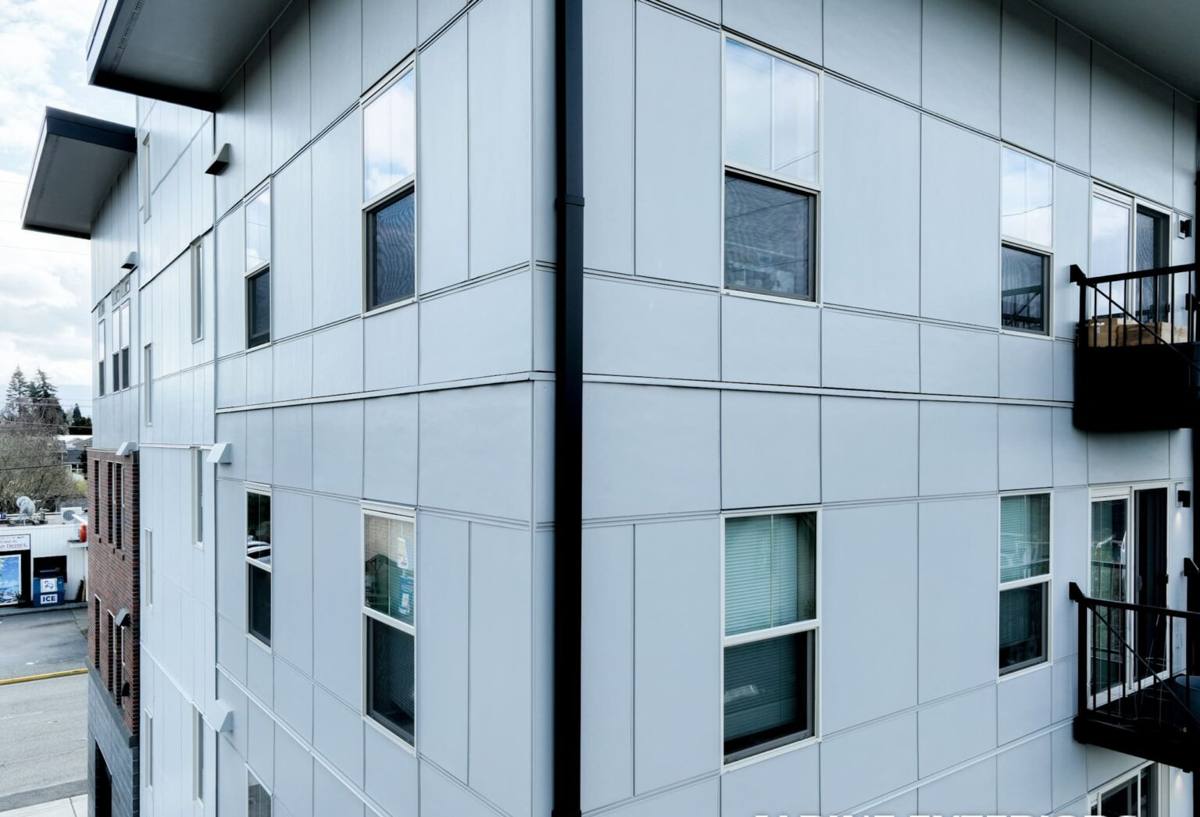
What Local Homes Are Up Against
Wind and Storm Pressure
Pinellas County sits along the Florida Building Code's wind-borne debris region, which means window products and installation methods have to meet minimum wind-load and impact-resistance standards — not just be "hurricane proof" in name. Under-built or improperly anchored windows are a common source of storm damage: even if the glass itself holds, a poorly fastened frame can let wind and water in around the edges.
UV and Heat
Florida's year-round sun breaks down cheap vinyl, degrades weak seals, and fades interior flooring and furniture faster than most homeowners expect. Low-E glass coatings and quality frame materials matter more here than they do in milder climates.
Wind-Driven Rain
It's rarely straight-down rain in a Gulf coast storm — it's rain pushed sideways by wind, which finds any weak point in flashing, sealant, or frame fit. This is where installation quality outweighs product quality; even a premium window will leak if it's not flashed and sealed correctly.
Salt Air
Being near Tampa Bay means airborne salt accelerates corrosion on hardware, fasteners, and lesser-grade metal components. Frame material and hardware finish both need to hold up to that exposure over years, not just look good on install day.
The Housing Stock in Euclid-St. Paul
Euclid-St. Paul includes a good number of older, established homes, with construction styles and rough-opening dimensions that don't always match today's standard window sizes. That matters for installation: a crew used to newer, uniform construction can run into surprises — non-square openings, older wood framing, plaster or lath walls, or settling that's shifted an opening slightly out of true. None of that is a problem for an experienced installer, but it does mean measuring, prepping, and fitting each opening on its own terms rather than assuming everything is standard. We treat every home this way regardless of age, but it's especially relevant in neighborhoods with a mix of older and updated construction.
What a Correct Window Installation Actually Involves
A window installation is judged by what you can't see once it's done. The visible frame and glass are only part of the job — the flashing, sealing, and anchoring underneath determine whether that window performs for the next 15-20+ years or starts causing problems in year two.
- Accurate opening assessment — checking the rough opening for square, level, and any rot or water damage before a new window ever goes in
- Proper flashing — directing any water that gets past the exterior finish back out, not into the wall cavity
- Correct fastening for wind load — using the fastener type, spacing, and anchoring method the product's engineering calls for, not just "however many screws fit"
- Continuous, compatible sealant — sealing the full perimeter with a product that's compatible with the window frame material and the home's exterior finish
- Insulation around the frame — filling the gap between frame and rough opening without over-packing it, which can bow the frame
- Interior and exterior trim-out — finishing the job so it looks right and sheds water correctly on the outside
- Final operation and seal check — confirming the window opens, closes, locks, and seals the way it's supposed to before we call it done
Skipping or rushing any one of these steps is how a good window ends up performing like a bad one.
Our Process, Start to Finish
1. On-Site Assessment
We look at each opening individually — size, condition, framing material, and any water or rot issues already present — and talk through what you actually need versus what's optional.
2. Product Selection
We walk through frame material, glass package, and impact-resistance options based on your budget, the window's exposure (a window on the storm-facing side of the house has different priorities than one on a covered porch), and how long you plan to stay in the home.
3. Removal and Prep
Old windows come out carefully to avoid unnecessary damage to surrounding trim, siding, or interior walls. Any rot, soft framing, or prior water intrusion gets addressed before the new window goes in — installing a new window into a damaged opening just hides a problem instead of fixing it.
4. Installation
The new window is set, checked for level and square, fastened per the manufacturer's wind-load specifications, flashed, insulated, and sealed.
5. Inspection and Cleanup
We check operation, sealing, and finish on every window before we consider the job done, and we clean up the work area — inside and out — before we leave.
Comparing Window Options for This Area
| Option | Wind/Storm Performance | UV & Heat Handling | Salt Air Durability | Typical Trade-Off |
|---|---|---|---|---|
| Standard vinyl, non-impact | Meets code with proper anchoring | Fair; lower-grade vinyl can warp over time | Moderate; hardware quality varies | Lowest cost, but needs storm shutters/panels for hurricane prep |
| Impact-rated vinyl or fiberglass | Strong; built to resist wind-borne debris | Good with Low-E glass package | Good with quality hardware | Higher upfront cost, no separate shutters needed |
| Aluminum frame | Strong structurally | Conducts heat more than vinyl/fiberglass | Needs good coating to resist salt corrosion | Slim sightlines, but can run hotter without thermal breaks |
| Wood or wood-clad | Depends on installation and cladding | Good with proper finish | Requires more upkeep near salt air | Classic look, higher maintenance commitment |
There's no single "correct" answer for every home — it depends on the window's exposure, the home's style, and your budget. We'll give you a straight read on the trade-offs rather than steering you toward whatever's easiest for us to install.
What Drives Window Installation Cost
| Factor | Why It Matters |
|---|---|
| Impact-rated vs. standard glass | Impact glass costs more per window but can reduce or eliminate the need for separate storm protection |
| Frame material | Vinyl, fiberglass, aluminum, and wood carry different material and longevity costs |
| Opening condition | Rot repair or reframing an out-of-square opening adds labor beyond the window itself |
| Number of windows | Doing a whole house at once is usually more cost-efficient per window than one-off replacements |
| Size and configuration | Large picture windows, sliders, and custom shapes cost more than standard single- or double-hung units |
We'll give you an honest range up front and won't pad the number with unnecessary upsells.
Why It Matters to Hire a Crew That Works This Area
A crew that regularly works Euclid-St. Paul and the surrounding St. Petersburg neighborhoods already understands a few things a traveling or out-of-area installer doesn't: what Pinellas County's permitting and inspection process expects, how local wind and impact requirements apply, and what to expect from older home framing without treating it as a surprise mid-job. That familiarity shows up in fewer change orders, fewer permitting delays, and a job that's sequenced correctly the first time.
It also means someone local you can actually reach if a question comes up after the install — not a call center or a subcontractor who's moved on to the next county.
Keeping Your Windows Performing After Install
- Rinse frames and hardware periodically to clear salt residue, especially on homes closer to the water
- Check exterior caulk and sealant lines once a year for cracking or gaps
- Test locks and operation before storm season each year — don't wait until a storm is approaching to find out a window won't seal properly
- Keep window tracks clear of debris so they seal fully when closed
- Address any small water staining around a frame promptly — it's much cheaper to fix early than after it spreads into the wall
Get a Straight Answer for Your Home
Every home in Euclid-St. Paul is a little different, and the right window package for your house depends on its exposure, age, and condition — not a one-size-fits-all package. If you'd like an honest look at what your windows need, fill out the form below for a free, no-pressure estimate.