 St. Petersburg Roofing
 New Roof Installation for Bartlett Park Homes
Bartlett Park sits in the mid-city section of St. Petersburg, and like most of the surrounding neighborhoods it has a mix of long-standing homes and newer construction sitting close together on modest-sized lots. That mix means roofs on this street can range from a well-maintained system with a few years left to a roof that's well past the point where another repair makes financial sense. When it's time for a full replacement, the goal isn't just to put new shingles or metal on the deck — it's to install a roofing system built to handle what Pinellas County actually throws at a house year-round.
A new roof is one of the largest investments a homeowner makes in a property, and it's also one of the few home improvements that directly affects insurability, resale value, and how well the rest of the house holds up during a bad storm season. Getting it right the first time matters more here than in most parts of the country.
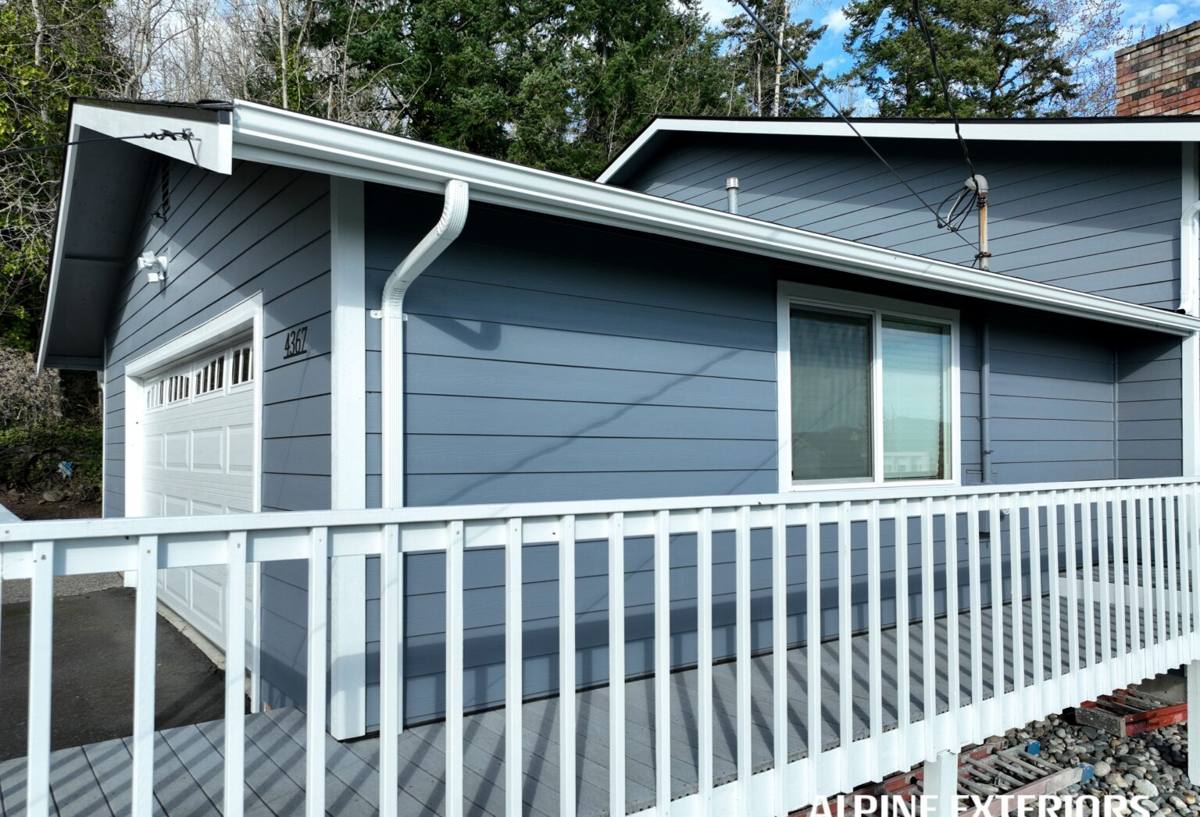
What St. Petersburg's Climate Demands From a Roof
Every roof we install in this area has to stand up to a combination of stresses that don't let up. Hurricane-force winds during storm season put direct uplift pressure on shingles, fasteners, and flashing. Intense, near-constant UV exposure breaks down roofing materials from above, drying out asphalt and fading or chalking lesser coatings well before their rated lifespan is up. Wind-driven rain — which behaves very differently than rain falling straight down — finds its way under improperly sealed edges, vents, and valleys. And because St. Petersburg is a coastal city, salt air corrodes exposed metal fasteners, flashing, and vents faster than it would inland, which is a real factor for homes anywhere in this part of the county, including Bartlett Park.
None of these stresses are unique to any one street, but they compound over time, and a roof that was installed without accounting for all four will show it early — through granule loss, lifted shingle edges, rusted fasteners, or leaks that show up nowhere near where the water actually entered.
What This Means in Practice
- Fastener patterns and nail placement matter more here than in low-wind regions — under-nailing is a common cause of early wind failure
- Underlayment needs to be a real water barrier, not just a formality, because wind-driven rain will test it
- Metal components (drip edge, flashing, vents) should be corrosion-resistant, not standard-grade, given the salt air
- Ventilation has to be sized correctly so heat and moisture don't cook the underside of the roof deck from below
Signs a Bartlett Park Home Needs Replacement, Not Repair
Not every roof problem calls for a full tear-off. But there's a point where patching becomes a way of spending money without solving anything. We look at the whole system before recommending replacement rather than repair.
| Sign | Usually Means |
|---|---|
| Granule loss showing bare asphalt in multiple spots | Shingles are past their protective life, even if no active leak yet |
| Curling, cupping, or cracked shingles across large areas | UV and heat cycling have degraded the material broadly, not just locally |
| Multiple past repairs in different areas | The roof is failing in general, not from one isolated cause |
| Soft spots or sagging on the deck | Water has reached the wood substrate — a repair won't address the underlying damage |
| Roof is 18-20+ years old (asphalt) and never fully replaced | Materials and fasteners are near or past intended service life for this climate |
| Rising insurance premiums or non-renewal notices tied to roof age | Insurers are flagging the roof as a liability regardless of current leak status |
Material Options for This Area
We install a range of roofing systems and will walk through the honest trade-offs for your specific home rather than push one product. Here's how the common options generally compare for a home in this climate.
| Material | Typical Lifespan Here | Wind/Storm Performance | Maintenance |
|---|---|---|---|
| Architectural asphalt shingle | 18-25 years | Good, when properly nailed and rated for local wind speeds | Low to moderate |
| Standing seam metal | 40-50+ years | Excellent uplift resistance with proper fastening | Low |
| Tile (concrete or clay) | 40-50+ years | Strong when installed with correct attachment method, heavier system overall | Moderate — underlayment typically needs earlier attention |
| 3-tab asphalt shingle | 12-18 years | Lower wind rating than architectural shingles | Low, but shorter service life |
For most homes in this neighborhood, architectural shingles rated for higher wind speeds offer the best balance of upfront cost and durability. Metal is a strong option for homeowners planning to stay long-term and wanting to minimize future replacement cycles. We'll size any recommendation to your roof's slope, structure, and your budget rather than default to one answer.
Underlayment and Flashing: Where Roofs Actually Fail
Most leaks don't start with the visible roofing material — they start at the underlayment, valleys, flashing around chimneys and vents, and the edges. We treat these components as equally important as the shingle or metal choice itself, because in a wind-driven-rain climate, they're doing a large share of the actual water-stopping work.
Our Installation Process
A new roof is done right when each layer is installed correctly before the next one goes on. Skipping steps to save time is where most premature failures come from.
- Inspection and estimate. We assess the existing roof, deck condition, and any problem areas, and give you a clear written estimate with no pressure to decide on the spot.
- Tear-off and deck inspection. Old material comes off completely so we can check the deck for rot or soft spots — this is the point where hidden damage gets found and addressed, not covered up.
- Deck repair as needed. Any compromised sheathing gets replaced before anything new goes down.
- Underlayment and water barrier installation. This layer is what actually keeps wind-driven rain out even if the top layer is ever compromised.
- Flashing, drip edge, and valleys. Corrosion-resistant metal components are installed at every transition point.
- Roofing material installation. Shingles, metal panels, or tile go on following manufacturer nailing and fastening specs — not shortcuts.
- Ventilation check. We confirm intake and exhaust venting is balanced for the attic space.
- Final walkthrough and cleanup. We inspect the completed roof with you and clear the property of debris and nails.
Permits, Code, and Wind Requirements
Roof replacements in St. Petersburg require a permit and inspection through the local building department, and materials must meet Florida Building Code wind-uplift standards for this region. This isn't paperwork for its own sake — it's the mechanism that ensures your new roof is actually rated for the wind speeds this part of the Gulf Coast experiences. We handle the permitting and schedule the required inspections as part of the job, so you're not left tracking that down yourself.
Why a Crew That Already Works This Neighborhood Matters
Roofing crews who regularly work Bartlett Park and the surrounding St. Petersburg neighborhoods know the local permitting process, the common roof styles and pitches in this part of the city, and what tends to go wrong on homes of a similar age and construction. That familiarity shortens the estimate and permitting process and means fewer surprises once tear-off starts. It also means when you call after the job with a question, you're talking to a crew that's still local and accountable — not a name that ran a single storm-chasing campaign through the area and left.
What to Expect and How to Prepare
- Move vehicles out of the driveway and away from the immediate work area for the day(s) of installation
- Expect noise and vibration inside the home during tear-off and nailing
- Cover or move sensitive items in the attic if accessible
- Pets are usually more comfortable elsewhere for the day given the noise
- A magnetic sweep for nails is standard practice at the end of the job, but walk the yard yourself afterward too
- Ask for the manufacturer warranty paperwork and our workmanship warranty in writing before final payment
Get an Honest Look at Your Roof
If your roof in Bartlett Park is showing its age, was damaged in a storm, or you're just trying to plan ahead before a small problem becomes a bigger one, we're glad to come take a look. There's no pressure and no obligation — just a straight assessment of where things stand and what a proper replacement would involve for your specific home. Use the form below to request a free estimate.