 St. Petersburg Roofing
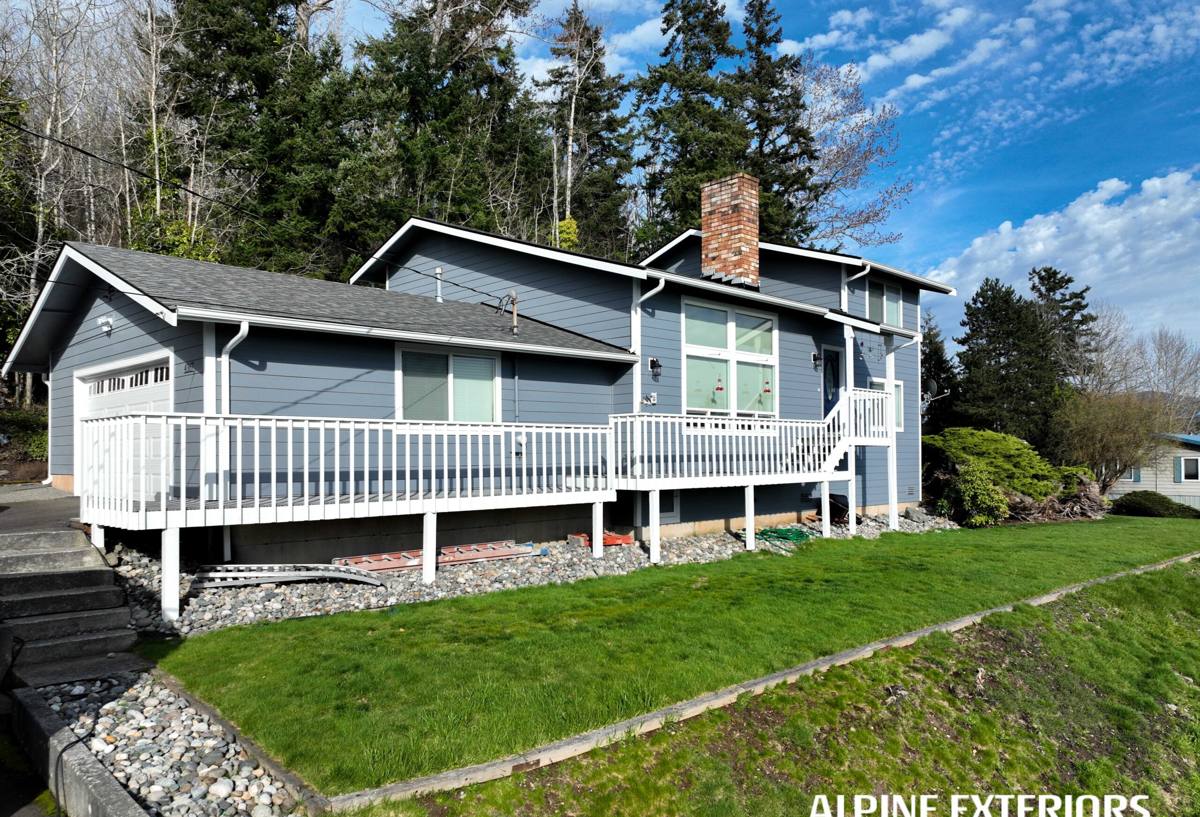
 New Roof Installation for Childs Park Homes
Childs Park is one of St. Petersburg's older, established residential neighborhoods, which means a lot of its roofs are original to homes built decades ago or were replaced under whatever code and material standards were common at the time — not necessarily what current Pinellas County wind and moisture requirements call for today. When a roof in this neighborhood reaches the point of patch-after-patch repairs, a full replacement done correctly is usually the more honest answer, both for your wallet over time and for what your insurance carrier will actually accept.
This page covers what a new roof installation looks like specifically for homes in Childs Park — the climate factors that matter here, what a correct installation actually involves, and how our process works from first look to final inspection.
Why Childs Park Roofs Take a Beating
St. Petersburg sits on a peninsula, and Childs Park is far enough inland that it doesn't get direct beachfront salt spray, but it's still well within the reach of salt-laden air moving off Tampa Bay and the Gulf. Combine that with the rest of what a west-central Florida roof deals with year-round, and you've got a tough environment for any roofing material:
- Hurricane and tropical-storm wind: Pinellas County sits in a high-wind hurricane zone, and even non-landfall storms routinely bring sustained winds and gusts strong enough to lift poorly fastened shingles or loosen ridge caps.
- Constant UV exposure: Florida gets more sun hours than almost anywhere in the continental U.S. UV breaks down asphalt shingle oils and accelerates granule loss, which is the main reason shingle roofs here age faster than the same product would in a northern climate.
- Wind-driven rain: Afternoon thunderstorms and tropical systems don't just fall straight down — wind pushes rain sideways and under roof edges, which is why underlayment, flashing, and edge details matter as much as the shingles themselves.
- Salt air corrosion: Metal fasteners, flashing, and vents corrode faster near the coast. Even a few miles inland, the difference in fastener and flashing lifespan compared to a dry inland climate is real.
- Heat cycling: Attic temperatures in a Florida summer routinely exceed 130-140°F, and that daily heat-up/cool-down cycle stresses roofing materials and adhesives over years of exposure.
None of this means a roof in Childs Park is doomed to fail — it means the installation has to be done with these specific stresses in mind, not with a generic approach that would work fine in a milder climate.
Signs Your Childs Park Roof Needs Full Replacement, Not Another Repair
We'd rather tell a homeowner honestly that repair is still the right call than sell a replacement that isn't needed yet. That said, there are clear signals that patching has run its course:
- Shingles are curling, cracking, or losing granules across large areas rather than in one isolated spot
- You've had two or more repair visits in the last couple of years for different leaks
- Decking is soft, spongy, or shows daylight through the attic in more than one location
- The roof is 18-25+ years old (typical asphalt shingle lifespan range, shortened by Florida's UV and heat)
- Your insurance company is requiring a roof inspection or threatening non-renewal due to roof age or condition
- Visible sagging along the roofline or at valleys
If your roof shows one or two of these, a professional inspection is worth doing before committing to full replacement. If it shows several, replacement is almost always the more cost-effective path over the next 10-15 years.
What a Correct New Roof Installation Actually Involves
A roof is a system, not just a layer of shingles. Skipping steps in this system is exactly how a roof that looks fine on installation day ends up leaking or losing shingles in the first serious storm afterward.
Tear-Off and Deck Inspection
We remove the old roofing material down to the deck, not layer over it. This lets us actually see the plywood or OSB decking underneath — which is the only way to catch rot, delamination, or soft spots caused by long-term leaks. Any compromised decking gets replaced before anything new goes down; installing new roofing over bad decking just hides the problem and voids most manufacturer warranties anyway.
Underlayment
This is the waterproof layer between your decking and shingles, and it's arguably more important to leak prevention than the shingles themselves — it's your backup if wind-driven rain gets past the surface layer. For Florida installations we use synthetic or self-adhering underlayment products rated for high-wind, high-moisture climates, not the older felt paper that degrades faster in heat and humidity.
Flashing
Flashing seals the transitions — around chimneys, vent stacks, skylights, sidewalls, and roof valleys — where a roof is most likely to leak. New flashing gets installed at every one of these points, not reused from the old roof, since old flashing is exactly where salt-air corrosion and years of thermal cycling show up first.
Fastening for Wind Uplift
Pinellas County's building code requires roofing to meet specific wind-uplift ratings, and the fastening pattern — nail count, placement, and type — determines whether a roof actually meets that rating or just looks like it does on paper. This is where a lot of cut-rate installations fail: correct nailing pattern costs a little more labor time and is invisible once the roof is finished, so it's an easy thing for a rushed crew to shortcut.
Ventilation
Proper attic ventilation keeps summer attic heat from cooking your shingles from underneath and reduces moisture buildup that leads to mold and wood rot. We check existing ridge and soffit vents during installation and correct airflow problems rather than just installing new shingles over an attic that was never breathing properly.
Final Details
Drip edge along the roof perimeter, proper ridge cap installation, and sealed penetrations at every pipe and vent finish the job. These are small components, but they're disproportionately common leak points when installed carelessly.
Roofing Material Options for Childs Park Homes
Most homes in this neighborhood are well suited to asphalt shingle roofing, which remains the most cost-effective option for standard residential rooflines in this climate when installed correctly with wind-rated products. Metal roofing is a legitimate upgrade option worth discussing for homeowners who want a longer lifespan and better wind performance and are comfortable with the higher upfront cost. We install both.
| Factor | Architectural Asphalt Shingle | Standing Seam Metal |
|---|---|---|
| Typical lifespan (FL climate) | 18-25 years | 40-50+ years |
| Upfront cost | Lower | Higher, roughly 2-3x shingle |
| Wind performance | Good, when correctly fastened and rated for high-wind zones | Excellent, among the best available for hurricane exposure |
| Heat/UV resistance | Moderate — granule loss and fading over time | High — reflective finishes reduce attic heat gain |
| Insurance considerations | Standard rates; impact-resistant shingle options may qualify for discounts | Often qualifies for the best wind-mitigation discounts |
| Maintenance | Periodic inspection, moderate | Low, minimal ongoing maintenance |
Neither option is "wrong" — the right call depends on how long you plan to stay in the home, your budget, and your risk tolerance for the next major storm cycle. We'll walk through the honest tradeoffs for your specific roof rather than pushing whichever product has the better margin.
Our Installation Process
- Free on-site inspection. We look at the current roof, attic, and decking condition and give you a straight answer on whether repair or replacement makes sense.
- Written estimate. Material options, scope of work, and cost laid out clearly, with no vague allowances buried in the fine print.
- Permitting. New roof installations in St. Petersburg require a permit through Pinellas County or the city, and the completed work has to pass inspection. We handle this as part of the job.
- Material delivery and site protection. Landscaping, driveway, and gutters get protected before tear-off begins.
- Tear-off and deck repair. Old material removed, decking inspected and repaired as needed.
- Underlayment, flashing, and shingle or metal installation. Installed to manufacturer specification and current wind-uplift code.
- Cleanup and magnetic nail sweep. Job site cleared of debris and checked for stray fasteners.
- Final walkthrough and inspection sign-off. You see the finished roof, and we confirm the permit inspection is closed out.
Timeline and What to Expect
Most standard single-family home roof replacements in this size range take one to three days of active work, weather permitting — Florida's rain patterns can push a timeline back a day if storms roll through mid-project. We'll give you a realistic window up front rather than a best-case number that assumes perfect weather.
- Inspection and estimate: same week in most cases
- Permit approval: typically a few business days to a couple of weeks depending on county/city processing volume
- Material lead time: varies by product, longer for specialty metal profiles or colors
- Installation: 1-3 days for most homes
- Final inspection: scheduled after installation, closes out the permit
Why a Crew That Already Works Childs Park Matters
A roofing crew that regularly works this part of St. Petersburg already knows the local permitting process, the county's current wind-uplift requirements, and the kind of decking and framing conditions common to homes of this neighborhood's age. That's not a small thing — a crew unfamiliar with the area is more likely to underestimate deck repair scope, misjudge permit timelines, or install to a generic spec instead of what Pinellas County actually requires. Being local also means we're reachable after the job is done, not a crew that finished up and left the county.
What to Ask Before Hiring Anyone for This Job
- Are you licensed to perform roofing work in Florida, and can you provide your license number?
- Do you carry general liability and workers' compensation insurance?
- Will you pull the permit yourselves, or is that left to me?
- What underlayment and fastening spec will you use, and does it meet current wind-uplift code for this county?
- What's covered under workmanship warranty, separate from the manufacturer's material warranty?
- Can I get the estimate in writing with materials and scope clearly listed?
Any legitimate roofing contractor should answer these without hesitation. Hesitation or vague answers on licensing, insurance, or permits is a real warning sign.
Get a Free, No-Pressure Estimate
If your roof in Childs Park is showing its age or you've had one leak too many, it's worth getting an honest, on-site look before deciding anything. We'll tell you plainly whether you're looking at repair or replacement, walk through material options that make sense for your home and budget, and give you a clear written estimate — no pressure, no hard sell. Fill out the form below to get started.